
Pleonomus
Pleonomus
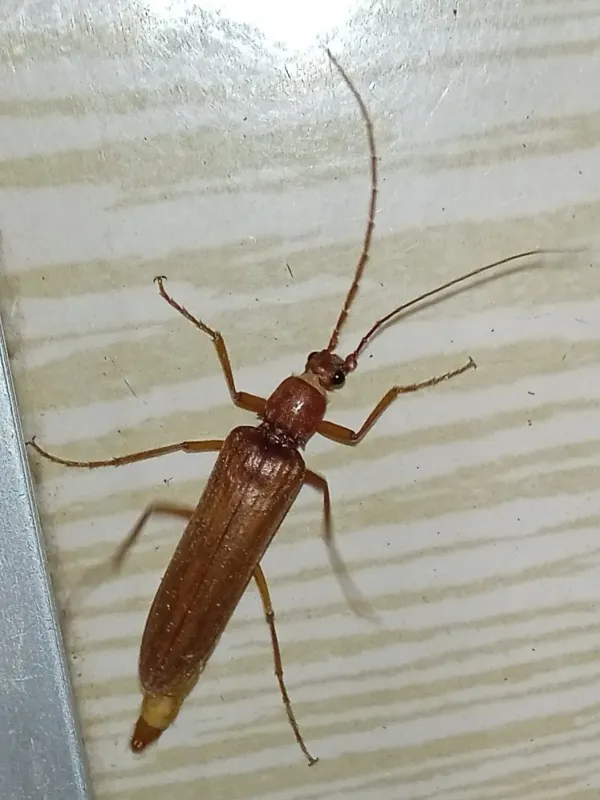
Description
How to identify
Pleonomus belongs to the click beetle family (Elateridae), order Coleoptera. Adult beetles are characterized by their elongated shape and a unique thoracic mechanism that allows them to "click" and flip over when placed on their backs.
The primary concern for farmers is the larval stage, commonly known as wireworms. They have a distinct, hard, cylindrical, yellowish-brown body protected by a tough chitinous exoskeleton.
The life cycle involves complete metamorphosis and can span three to five years, largely depending on soil temperature, moisture levels, and the availability of food sources such as plant roots or organic debris.
Adults emerge in spring and summer. Eggs are laid in the upper soil layers, particularly in areas with dense vegetation, grasses, or high organic matter, which provide ideal protection and nutrition for the hatching larvae.
Wireworms are extremely resilient to harsh environmental conditions, showing high tolerance to moisture fluctuations and temperature extremes, which contributes to their persistence in agricultural soils.
What it damages
Pleonomus is a polyphagous pest capable of attacking a wide range of crops, including cereals, corn, sugar beets, potatoes, and various vegetable species. The damage is primarily subterranean.
Larvae consume seeds, destroy germinating sprouts, and feed on roots and underground stems. This feeding behavior leads to significant thinning of crop stands and stunted plant growth early in the season.
In severe infestations, the pest can destroy a majority of the crop stand, necessitating replanting. Damaged areas often become susceptible to secondary infections, such as root rots and fungal pathogens.
For root crops like potatoes, larvae create deep, winding tunnels that ruin the marketability of the produce and lead to post-harvest decay. Stalks of cereals or corn may weaken, yellow, and collapse.
Field margins and areas previously left fallow or infested with perennial grasses like quackgrass are the most vulnerable sites due to the high density of wireworms residing there.
Signs of infestation
The earliest indicator of a Pleonomus infestation is the presence of gaps in crop emergence. Plants in affected patches often appear wilted, yellowed, and can be pulled easily from the soil due to severed root systems.
Upon inspection, the underground parts of the plant will show characteristic boreholes or tunnels created by the feeding larvae. Seeds recovered from the soil are often hollowed out.
Pre-sowing soil sampling is the most reliable way to detect the presence of wireworms. Finding multiple larvae per square meter indicates a significant risk that warrants immediate preventative action.
Root crops such as potatoes may show deep, irregular holes when harvested. These mechanical injuries serve as entry points for bacterial and fungal infections, leading to rot during storage.
The abundance of weeds, particularly rhizomatous grasses, within the crop field or along the edges acts as a visual signal of potential wireworm harborages that need investigation.
Control measures
Tillage is the cornerstone of control. Deep autumn plowing brings wireworms to the surface, exposing them to bird predation and desiccation, which drastically reduces their population density in the soil.
Maintaining a clean field free of weeds, especially perennial grasses, eliminates the food source required for the pest's survival. Rotating crops to less susceptible species can further disrupt their life cycle.
Chemical control primarily involves the use of insecticidal seed treatments. This application protects the seed and emerging seedling during the most critical early phases of development.
For fields with high historical pest pressure, applying soil-applied insecticides directly into the planting furrow provides extended protection and ensures a uniform stand establishment.
- Setting bait traps (e.g., sliced potatoes) to manually monitor and remove larvae.
- Monitoring adult beetle activity using pheromone traps.
- Liming acidic soils to modify the soil environment, as wireworms prefer acidic, damp conditions.
Taxonomy
- Latin name
- Pleonomus
- Order
- Coleoptera (beetles)
- Family
- Elateridae
- EPPO code
- PLNOSP
Discussion
No discussions yet — be the first.