
Platynychus click beetle
Platynychus
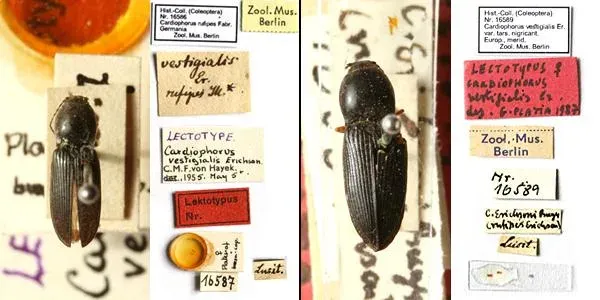
Description
How to identify
The Platynychus click beetle is a genus belonging to the Elateridae family, commonly known as click beetles. Adult beetles are typically characterized by an elongated, flattened body, usually ranging from 6 to 10 mm in length, and vary in color from yellowish-brown to dark brown.
The larval stage, widely recognized as the wireworm, is the most destructive phase of this insect. These larvae have a hard, chitinous, cylindrical body resembling a piece of wire, which gives them their common name. They possess three pairs of thoracic legs and a well-segmented body.
The life cycle of the Platynychus genus is complex and can span several years, depending on environmental factors and food availability. Larvae live underground and can undergo significant vertical migration, moving deeper into the soil to escape harsh winter temperatures or extreme drought.
Adult beetles are typically active during spring and early summer. While adults primarily feed on plant nectar and vegetation without causing severe economic loss, their presence is a critical indicator of egg-laying activities that will lead to a new generation of damaging larvae.
Platynychus species prefer specific soil types, often thriving in heavy or poorly aerated soils with moderate to high moisture levels. Their ability to survive in various soil environments makes them a persistent threat in many agricultural settings globally.
What it damages
The primary agricultural threat posed by Platynychus stems from the wireworm larvae feeding on the underground portions of crops. They are notorious for attacking seeds, germinating embryos, roots, and the basal sections of plant stems.
Economically important crops such as corn, sunflower, potato, and small grains are highly susceptible. Wireworms can cause massive reductions in plant stand density, often requiring farmers to replant affected areas entirely.
Feeding patterns typically involve larvae boring into young stems, which cuts off nutrient and water supply, causing the plants to wither and die quickly. On root vegetables like potatoes, larvae create deep entry holes that lead to significant quality degradation.
The damage caused by these larvae also serves as a portal for secondary soil-borne pathogens. Fungal and bacterial infections often exploit the wounds made by wireworms, leading to root rot and further compromising the health and vigor of the entire crop.
Yield losses can be catastrophic in high-infestation fields. Because wireworms live in the soil for several years before reaching maturity, a single infestation cycle can impact multiple planting seasons if not actively managed.
Signs of infestation
The most visible sign of an infestation is the appearance of irregular patches of dead or stunted plants within a field. These gaps occur because larvae have destroyed the seeds or seedlings before they could establish a robust root system.
When investigating a suspected infestation, a close inspection of the root zone often reveals the presence of larvae. Plants that appear wilted despite adequate soil moisture are prime targets for subterranean feeding checks.
Characteristic damage includes clean, bored holes in the stems of seedlings at or slightly below the soil line. This type of injury is distinct from above-ground insect pests and confirms the presence of soil-dwelling larvae.
The sighting of adult click beetles near field margins or on weeds during spring is a strong indicator of an active population. Farmers often use bait traps or soil sampling to quantify the number of larvae present before planting.
A further sign of wireworm presence is the sudden decline of plant health in specific areas of the field following heavy rainfall, as larvae move to the surface to avoid drowning and begin feeding aggressively on newly sprouted roots.
Control measures
Successful management of Platynychus requires an integrated approach starting with proper field preparation. Deep tillage in the autumn can expose wireworms to predators and harsh weather conditions, significantly reducing their population density.
Crop rotation serves as a powerful deterrent. Including non-host crops or crops that create an unfavorable soil environment for wireworms helps break the long-term life cycle of the larvae and minimizes damage to high-value plantings.
Chemical control via insecticidal seed treatments is the standard practice for protecting vulnerable seedlings. These systemic treatments provide a necessary window of protection that allows the crop to establish a strong root system before being exposed to larval feeding.
For high-risk areas, the use of in-furrow granulated insecticides at planting time is highly effective. This application method places the protective agent directly where the seed and roots need defense against subterranean attack.
- Strict weed control, as weeds provide refuge and food for larvae.
- Liming acidic soils, as wireworms prefer low-pH environments.
- Regular soil monitoring using bait stations to determine infestation levels.
Taxonomy
- Latin name
- Platynychus
- Order
- Coleoptera (beetles)
- Family
- Elateridae
- EPPO code
- PLTKSP
Discussion
No discussions yet — be the first.