
Pheletes click beetle
Pheletes
Description
How to identify
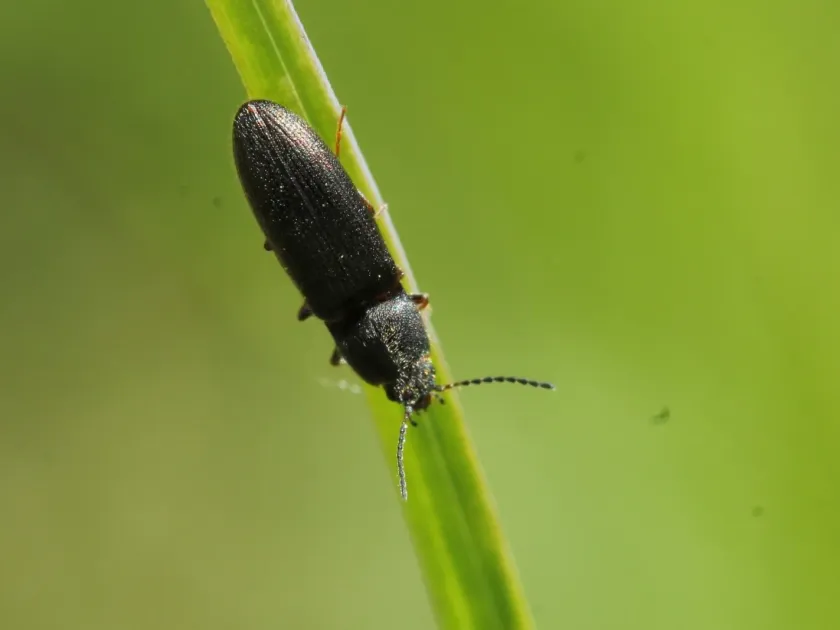
The Pheletes click beetle belongs to the Elateridae family, known for their unique ability to flip themselves over using a thoracic mechanism that produces a clicking sound. These beetles are generally elongated, ranging from 8 to 12 mm in length, with coloration varying from brown to black.
The primary concern for farmers is the larval stage of this insect, commonly referred to as wireworms. They have a hard, chitinous exoskeleton, giving them a distinct stiff, wire-like appearance, which is how they earned their common name.
The larvae possess three pairs of short, strong legs, which allow them to move efficiently through the soil profile in search of food. Their mouthparts are highly specialized for chewing, capable of penetrating tough root tissues.
The life cycle of Pheletes typically spans multiple years, as larvae go through several developmental stages (instars) underground. This makes them persistent pests that can remain in a field for long durations if not managed properly.
Adult beetles emerge in the spring to mate and lay eggs in moist soil. They are highly mobile and can migrate between fields, making their population control a complex task in diversified farming systems.
What it damages
Wireworms are polyphagous pests, meaning they feed on a vast array of crops. They pose a significant threat to cereals such as winter wheat and barley, where they destroy germinating seeds and roots.
Row crops like maize, sunflowers, and sugar beets are also highly susceptible. In these crops, wireworms feed on the germ, roots, and underground stem tissue, leading to stunted growth or total seedling death.
In potato fields, wireworms inflict deep, cylindrical bores into the tubers. These injuries significantly reduce the market value of the produce and serve as entry points for secondary infections like rot and fungus.
Small-scale damage often results in patchy stands, which reduces the overall yield potential of the field. In severe cases, the crop density is so low that replanting becomes necessary, leading to substantial economic losses.
The larvae are most active when soil moisture and temperature are optimal. During dry periods, they retreat deeper into the soil, but they return to the root zone as soon as conditions improve, making them unpredictable pests.
When it appears
Activity begins in the early spring as soil temperatures rise, triggering the emergence of adult beetles. Mating occurs shortly after emergence, followed by oviposition in the upper soil layers.
The egg-laying period typically spans late spring to early summer. The female click beetle selects sites with high organic matter and moisture, which provide the best environment for larvae development.
Larval activity peaks throughout the summer, as they move laterally through the soil to locate plant roots. This is the period when most crop damage is recorded, as plant demand for nutrients is high.
As the soil temperature begins to drop in the autumn, wireworms migrate downwards to deeper soil layers. They remain at these depths throughout the winter months to avoid freezing conditions.
The migration pattern is highly dependent on environmental cues. Monitoring soil temperature and moisture is essential for predicting when the larvae will be in the upper layers, which is crucial for chemical treatment efficacy.
Signs of infestation
The most common sign of a wireworm infestation is poor seedling emergence and scattered gaps in the field. When examining such areas, the soil often reveals a lack of germinated seeds or the presence of chewed seed remnants.
In mature plants, symptoms of damage include unexpected wilting or sudden death of the plant, often accompanied by a yellowing of the central leaves due to damaged root systems.
If you suspect an infestation, you can use bait traps (potato or carrot halves buried in the soil) to attract larvae. Checking these traps after a few days often reveals the presence of wireworms.
In root crops like potatoes, deep, clean-edged tunnels in the skin are a clear indicator of wireworm activity. These marks are distinct from other chewing pests that might leave more irregular patterns.
In cereals, a tell-tale sign is the "white dead heart" symptom, where the central shoot turns yellow and dies because the wireworm has severed the connection at the plant base.
Control measures
Effective management begins with good agrotechnical practices. Deep tillage in the autumn exposes larvae and pupae to extreme weather conditions and predatory birds, significantly reducing their population.
Crop rotation is another powerful tool. Rotating susceptible crops with ones that are less preferred by wireworms, such as legumes or mustards, can break the life cycle of the pest.
Maintaining clean fields by eliminating weeds like couch grass (Elymus repens) is essential, as these serve as alternative food sources for the larvae during periods between primary crops.
Seed treatment with systemic insecticides is the standard chemical approach for protecting the crop during the vulnerable germination phase. This ensures that seedlings get a head start before the root system expands.
For high-pressure infestations, soil-applied insecticides during planting can provide a protective zone around the seed. Integrated Pest Management (IPM) strategies, including pheromone trapping, are recommended to monitor beetle populations and decide when intervention is truly necessary.
Taxonomy
- Latin name
- Pheletes
- Order
- Coleoptera (beetles)
- Family
- Elateridae
- EPPO code
- PHEESP
Discussion
No discussions yet — be the first.