
Neodiploconus click beetle
Neodiploconus
Description
How to identify
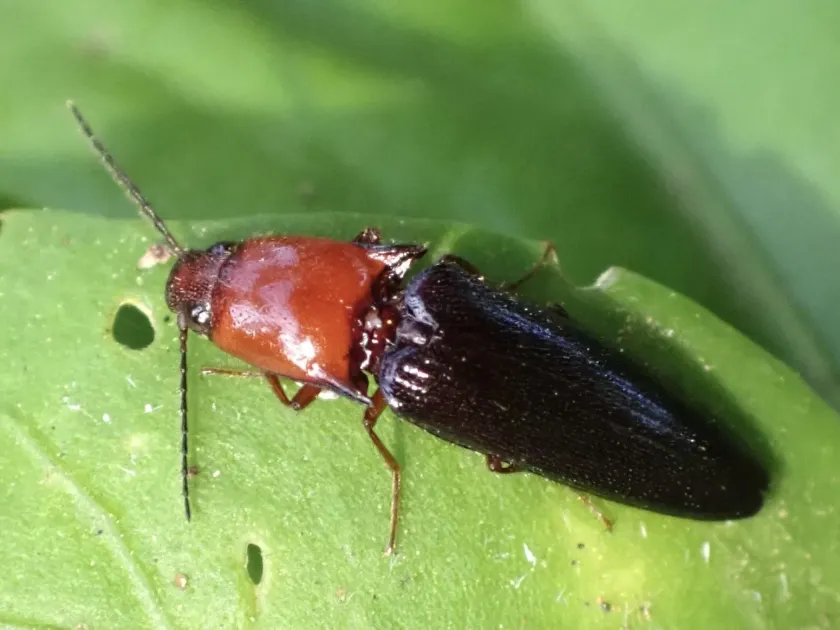
The Neodiploconus genus belongs to the Elateridae family, commonly known as click beetles. Adults are elongated, hard-bodied insects characterized by their ability to "click" and flip themselves upright if they land on their backs.
The larvae, widely referred to as wireworms, are identified by their slender, cylindrical bodies and tough, yellowish-brown exoskeleton. They have a very distinct appearance, resembling a piece of stiff wire, which allows them to burrow through soil with ease.
Species identification within the Neodiploconus genus relies on the microscopic examination of the larval abdominal segments and the pronotum structure of the adults. Such precision is necessary for understanding the specific developmental timelines of the pest in local climates.
The life cycle of these beetles is multi-annual, with larvae spending several years in the soil. They are highly responsive to environmental changes, migrating vertically through the soil profile depending on temperature and moisture availability.
While the adult click beetles are generally harmless, feeding on nectar or soft leaves, the larval stage is a significant subterranean pest that can persist in fields for years if conditions remain favorable.
What it damages
The primary economic damage is caused by larvae feeding on germinating seeds and roots. They bore into the seeds, consuming the embryo and endosperm, which results in poor germination and significant stand reduction in commercial fields.
Crops such as maize, potatoes, cereals, and various vegetables are particularly prone to infestation. When larvae attack the root systems, they interrupt the plant's ability to uptake water and nutrients, leading to stunting or complete wilting.
In addition to direct mechanical damage, the feeding tunnels created by wireworms serve as entry points for various soil-borne pathogens. This secondary infection often leads to root rot, further diminishing crop vigor and overall yield potential.
In potato cultivation, Neodiploconus larvae cause unsightly holes in the tubers, making them unsellable and reducing their market value. This type of damage can be severe, even if the plant itself does not succumb to the infestation.
The level of damage is directly correlated to larval density in the soil. Fields with high wireworm populations may require aggressive intervention, including soil testing prior to sowing to determine potential risk levels.
Control measures
Effective management of Neodiploconus requires an integrated approach. Cultural practices like deep plowing expose larvae to predators such as birds and to desiccating effects of the sun, significantly reducing the pest population in the upper soil layers.
Chemical control usually involves seed treatment with systemic insecticides. This creates a protective zone around the seed, preventing wireworms from causing damage during the critical stages of early development and seedling emergence.
Crop rotation is another vital strategy for long-term control. Avoiding the planting of highly susceptible crops after pastures or perennial grasses helps break the lifecycle of the wireworm, as these areas are often hotspots for infestation.
Biological control agents, including entomopathogenic fungi and nematodes, provide an environmentally sound alternative for controlling soil-dwelling larvae. These products can be applied as a soil drench or during planting to suppress wireworm numbers.
- Regular field scouting using bait traps to assess larval pressure before the growing season.
- Managing soil acidity through liming to create less favorable conditions for wireworm development.
- Strict weed control, specifically targeting rhizomatous species like quackgrass that provide food for young larvae.
Taxonomy
- Latin name
- Neodiploconus
- Order
- Coleoptera (beetles)
- Family
- Elateridae
- EPPO code
- NEDCSP
Discussion
No discussions yet — be the first.