
Hypnoidus abbreviatus
Hypnoidus abbreviatus
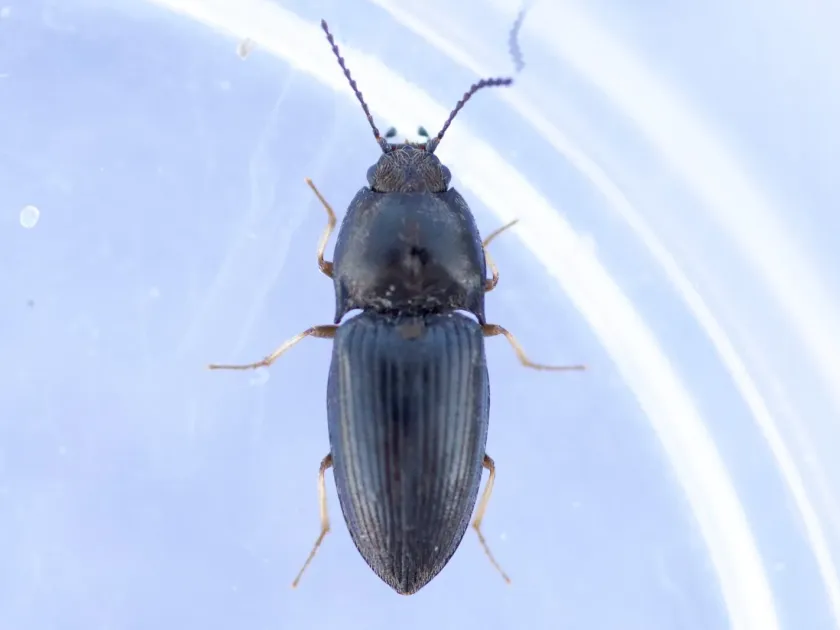
Description
How to identify
Hypnoidus abbreviatus is a species of click beetle (family Elateridae) belonging to the order Coleoptera. Adult beetles are characterized by their small size and the unique ability to snap their thorax to flip over if they fall onto their backs.
The larvae, commonly known as wireworms, are the primary life stage of concern. They possess a long, cylindrical, and rigid body, usually brown or yellowish-brown in color. Their tough cuticle makes them resilient to various environmental stresses.
These insects spend the majority of their multi-year life cycle underground. They are highly adapted to the soil environment, where they thrive in conditions with sufficient moisture and access to roots or decaying organic matter.
The transition from larva to adult involves several molts over a period of years. While adult beetles are mostly harmless to crops, the persistent presence of wireworms in the soil creates a continuous threat to agricultural production.
Identification in the field is usually accomplished through soil sampling. Agronomists sieve through samples of soil, particularly in the upper plow layer, to count larvae and assess the risk level before planting susceptible crops.
What it damages
Wireworms cause significant agricultural damage by feeding on seeds, germinating seedlings, and roots of various cultivated plants. They move through the soil, consuming underground tissues and causing plants to wither and die.
Cereal crops like wheat, barley, and oats are frequently attacked. Furthermore, row crops such as maize, sunflowers, and various vegetables can suffer extensive damage, often leading to reduced stand density and potential total crop failure.
The damage often starts with the destruction of seeds, preventing germination. As the plants grow, the larvae gnaw on the roots, disrupting water and nutrient uptake, which results in stunted growth and eventual plant death.
Infestations are typically patchy, but in areas with high larval density, damage can be widespread. Weakened plants are also more susceptible to secondary fungal or bacterial infections that enter through the feeding wounds.
The economic impact is measured not only by direct yield loss but also by the increased costs associated with replanting and intensive pest control measures. Early-season damage is the most critical for overall crop productivity.
When it appears
The activity of wireworms is strictly governed by soil moisture and temperature. In spring, as soil temperatures rise, larvae move toward the surface to feed actively on the roots of young, tender plants.
During the hot and dry summer months, wireworms often migrate deeper into the soil profile to find more suitable moisture levels. This behavioral shift reduces their impact on crops during the peak of the dry season.
Adult beetles emerge in late spring or summer to mate and lay eggs. They prefer moist fields with dense vegetation, which provides optimal conditions for the future survival and development of the emerging larvae.
Because their life cycle lasts for multiple years, populations are persistent. Larvae of different ages may coexist within the same field, ensuring that the threat remains active throughout various stages of the cropping cycle.
In autumn, as temperatures drop, larvae retreat into deeper soil layers for overwintering. They remain dormant in the cold winter months, restarting their feeding cycles only when the ground warms up in the following spring.
Signs of infestation
The most visible sign of a Hypnoidus abbreviatus infestation is uneven or thin plant stands. When investigating areas with missing plants, dig around the base to check for the presence of the distinct, shiny-skinned larvae.
Wilting of seemingly healthy plants during sunny weather, despite adequate soil moisture, often indicates root system damage by wireworms. Such plants can be easily pulled out of the soil due to severed roots.
Seeds that fail to emerge should be checked for signs of boring or hollowing. This mechanical destruction is a hallmark of wireworm feeding, clearly distinguishing it from common soil-borne seedling diseases.
Monitoring programs often use bait traps consisting of germinated grain or vegetable pieces buried in the soil. These baits are retrieved after several days to estimate the population density based on the number of wireworms attracted.
- Patchy seedling emergence and field gaps.
- Presence of rigid, cylindrical larvae in the root zone.
- Plant wilting not caused by drought or rot.
- Bored seeds or severed roots on young plants.
Control measures
Integrated pest management starts with crop rotation. Avoiding susceptible crops in fields known for high wireworm density is essential. Selecting non-host crops can disrupt the larval development cycle effectively.
Cultural practices, particularly tillage, play a major role in population management. Deep fall plowing exposes larvae to surface conditions, where they can be predated upon by birds or succumb to low winter temperatures.
Chemical control focuses on the use of insecticidal seed treatments. This is the most efficient way to provide a protective zone around the germinating seed, preventing damage during the most vulnerable early growth stages.
In cases of high infestation, soil-applied insecticides can be incorporated at the time of planting. This placement provides immediate protection for the seed and roots in the row, ensuring a higher plant survival rate.
Weed control is a critical preventative measure. Eliminating grasses, especially rhizomatous weeds like couch grass, removes the primary food source for wireworms, forcing them to either leave the area or perish due to lack of nutrition.
Taxonomy
- Latin name
- Hypnoidus abbreviatus
- Order
- Coleoptera (beetles)
- Family
- Elateridae
- EPPO code
- HPNDAB
Discussion
No discussions yet — be the first.