
Hypnoidus
Hypnoidus
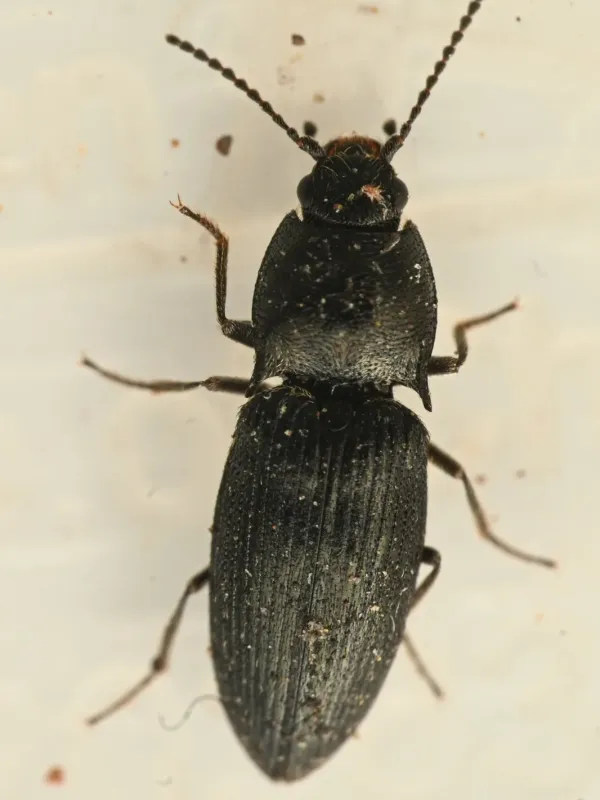
Description
How to identify
Hypnoidus is a genus of click beetles (family Elateridae) belonging to the order Coleoptera. Adult beetles are small and possess a unique mechanism that allows them to flip themselves into the air with a distinct clicking sound if they are turned onto their backs.
The larvae, commonly known as wireworms, are characterized by their elongated, cylindrical bodies with hardened chitinous cuticles, which make them look like small segments of wire. Their color ranges from yellowish to dark brown, and they have smooth, shiny surfaces.
Their life cycle involves complete metamorphosis, consisting of four stages: egg, larva, pupa, and adult. While adult beetles cause little direct harm, the soil-dwelling larvae are significant agricultural pests.
This pest is known for its ecological flexibility, allowing it to adapt to various soil types and moisture levels, ranging from well-drained to relatively moist environments.
The developmental cycle of Hypnoidus can span several years, which complicates monitoring efforts and makes long-term management strategies essential for any farm.
What it damages
Hypnoidus larvae are polyphagous and feed on a wide variety of crops, including small grains, corn, sugar beets, potatoes, and various vegetable crops.
The primary damage is inflicted on the root system and seeds, where larvae tunnel into the tissues, often leading to reduced germination, poor crop stands, or total plant death.
Damaged plant tissues become highly susceptible to secondary pathogens, including various fungal and bacterial rots, which enter the plant through the wounds created by the larvae.
Infestations are typically more severe in years with high soil moisture, as this encourages the larvae to remain in the upper soil layers where plant roots are concentrated.
Heavy infestations can result in significant yield losses, potentially reducing total production by large percentages, making effective population control a priority for modern agriculture.
When it appears
Larval activity commences in early spring as soon as soil temperatures reach the threshold required for them to emerge from their overwintering depths.
During the summer months, if the soil becomes excessively dry, larvae may migrate deeper into the soil profile; however, rainfall or irrigation typically triggers their return to the root zone.
As temperatures drop in the autumn, the larvae retreat deeper into the soil to escape the freezing conditions of the surface layer, where they remain dormant throughout winter.
Adult beetles typically appear on the soil surface in late spring or early summer, which is the period for mating and egg-laying in the upper soil horizons.
Because their life cycle is spread across multiple years, growers may encounter larvae at different stages of development throughout the entire growing season.
Signs of infestation
The first indicator of an infestation is often a patchy crop stand or the sudden wilting and death of young seedlings shortly after they emerge from the soil.
By conducting soil inspections or examining the root systems of affected plants, farmers can often locate the distinct yellowish or brownish wireworms near the roots.
Plants affected by larval feeding often show stunted growth, leaf chlorosis, and general weakness, even when irrigation or rainfall levels are otherwise optimal.
Root crops like potatoes or sugar beets will show visible signs of damage, such as narrow, meandering tunnels bored deep into the flesh of the tuber or root.
The presence of adult click beetles in fields during the spring can serve as an early warning sign that a larval population is present in the underlying soil.
Control measures
Integrated pest management (IPM) is the most effective approach, focusing on cultural practices that minimize the suitability of the field for the pest.
Key protection strategies include:
- Utilizing diverse crop rotation, incorporating crops that discourage wireworm population growth, such as legumes or mustard.
- Performing deep fall plowing (tillage), which exposes larvae to predators like birds and extreme winter temperatures.
- Effective weed control, particularly of couch grass (Elymus repens), which provides essential food for larvae.
- Application of insecticidal seed treatments to provide early-season protection to developing seedlings.
- Direct application of soil insecticides during planting if soil populations exceed the economic injury threshold.
Taxonomy
- Latin name
- Hypnoidus
- Order
- Coleoptera (beetles)
- Family
- Elateridae
- EPPO code
- HPNDSP
Discussion
No discussions yet — be the first.