
Elaterid beetle (Elatichrosis)
Elatichrosis
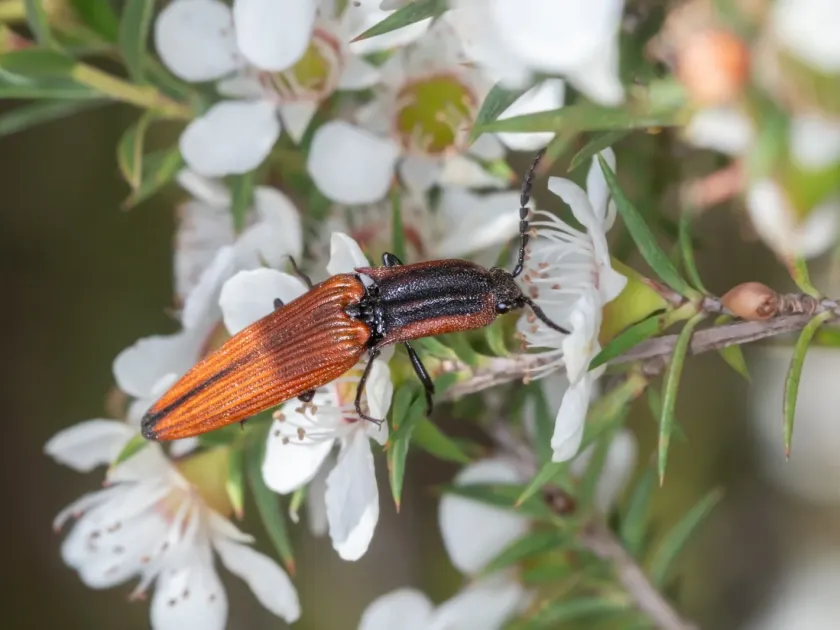
Description
How to identify
The Elatichrosis genus belongs to the Elateridae family, commonly known as click beetles, which are recognized for their unique anatomical ability to snap their bodies to flip over.
The larvae of this genus, referred to as wireworms, possess a highly sclerotized, firm, and cylindrical body that varies in color from light yellowish-brown to dark brown.
While adult beetles are typically found near vegetation or in the topsoil, the larval stage is strictly subterranean, living in the soil profile and feeding on various organic materials.
Identification of the specific Elatichrosis species requires precise microscopic examination of the larval thoracic segments and abdominal features, as they share morphological similarities with other wireworm species.
They are highly resilient creatures, adapted to surviving in various soil types, although they favor environments with adequate moisture and organic content.
What it damages
Wireworms of this genus are highly polyphagous, causing significant damage to major field crops including cereals, maize, sunflower, and various root vegetables.
They attack seeds immediately after sowing, often consuming the embryo and preventing germination, which leads to poor field emergence and patchy crop stands.
As plants develop, larvae feed on the roots and the underground stem base, causing nutrient disruption, stunted growth, and eventually the death of young seedlings.
In root crops, the damage is particularly destructive as larvae bore deep tunnels into the roots or tubers, rendering the harvest unmarketable due to both physical destruction and increased rot risks.
The economic impact is profound because the damage is often hidden beneath the soil surface, making it difficult to detect before significant portions of the crop are lost.
When it appears
The life cycle of Elatichrosis is extensive and spans several years, making the control of these pests a long-term agricultural management task.
Larval activity is closely linked to soil temperature; they move to the upper soil layers in the spring as soon as conditions allow for active feeding near the plant rhizosphere.
During the hot and dry summer months, wireworms migrate deeper into the soil profile to avoid desiccation, residing in horizons where moisture levels remain stable.
Autumn brings a shift back to the root zone, where larvae consume organic matter and crop roots intensely to build up energy reserves required for winter survival.
Adult beetle flight generally occurs in late spring or early summer, marking the egg-laying period, which establishes the next generation of larvae within the soil environment.
Signs of infestation
Visible signs of infestation usually manifest as sudden wilting and yellowing of young plants within specific patches of the field, known as thinning or patchy stands.
Plants affected by wireworms can be easily pulled from the ground, revealing clean-cut chewing marks or destroyed root systems resulting from the larval feeding.
Stunted development compared to neighboring plants is a hallmark of larval presence, indicating that the root system has been compromised, even if the plant has not yet died.
Soil excavations in affected areas will reveal the characteristic hard-bodied, brownish larvae, often found curled up or moving slowly through the soil near the roots.
Frequent sightings of adult click beetles in the field during the spring months serve as a reliable indicator that the population density requires monitoring for potential larval damage.
Control measures
Agronomic strategies such as deep tillage are highly effective as they disrupt the soil environment and expose larvae to environmental extremes and natural predators like birds.
Crop rotation is essential; alternating susceptible crops with those that are less attractive or unfavorable for wireworm development helps decrease the overall population in the field.
Maintaining clean fields by eliminating grassy weeds, especially couch grass, is critical as these weeds provide a secondary food source that sustains larvae between crop seasons.
Seed treatments with systemic insecticides are currently the industry standard for providing essential protection to young seedlings during the high-risk germination and establishment phases.
For high-pressure infestations, soil-applied granular insecticides can be used at planting time to establish a protected chemical zone around the seeds and roots.
Taxonomy
- Latin name
- Elatichrosis
- Order
- Coleoptera (beetles)
- Family
- Elateridae
- EPPO code
- ELAISP
Discussion
No discussions yet — be the first.