
Drasterius
Drasterius
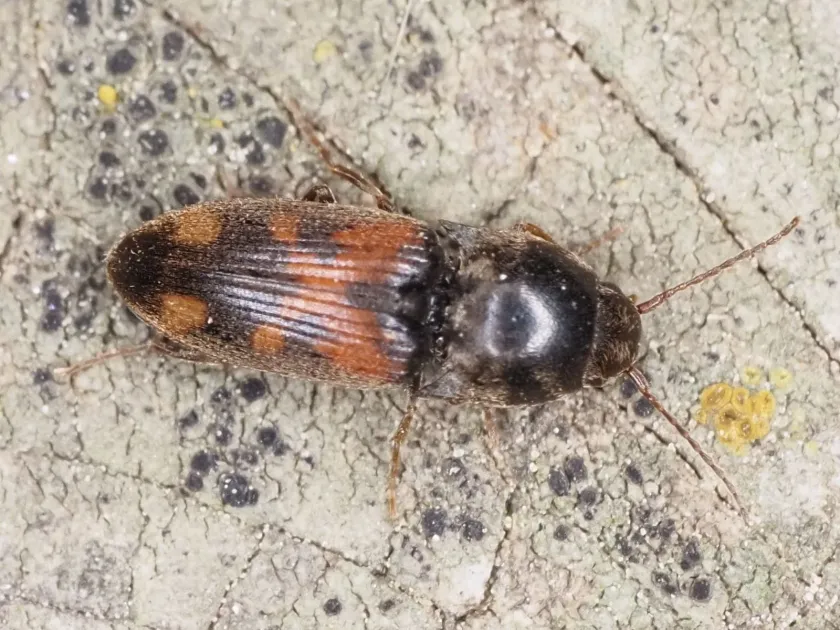
Description
How to identify
Drasterius is a genus of click beetles (family Elateridae, order Coleoptera). The adults are small, measuring about 5–7 mm in length, and typically have an elongated body with a brownish or reddish hue.
The larvae, widely known as wireworms, are characterized by a firm, cylindrical body with rigid cuticles, usually yellow to dark yellow in color. They are exceptionally resistant to adverse environmental conditions.
The life cycle includes the egg, larva, pupa, and adult stages. Larvae can remain in the soil for 2 to 4 years, depending on temperature conditions and the availability of food sources within the field.
Pupation occurs during the summer season within special soil chambers at a depth of 10–20 cm. Adult emergence follows later in the summer, after which the beetles become active and capable of dispersal.
These insects prefer soil with adequate moisture. During dry periods, they migrate to deeper soil layers to avoid desiccation and overheating, making them difficult to detect during droughts.
What it damages
This pest affects a wide range of crops, including cereals (wheat, barley, oats), maize, sugar beets, sunflowers, and various vegetable species, causing significant economic losses.
It is the wireworm larvae that cause the primary damage. They feed on planted seeds, consuming the embryo, which significantly reduces field germination and leads to thin, uneven crop stands.
Once the plants have sprouted, the larvae attack the underground stems and root systems. This weakens the plants, stunts their growth, and can result in total death of seedlings in heavy infestations.
While adult beetles feed on plant debris or soft tissues, their harmful impact is negligible compared to the root-zone feeding habits of the larvae, which can devastate entire field sections.
The economic threshold for intervention varies by crop; however, in light soils where these pests are most active, even a low number of larvae per square meter necessitates protective action.
Signs of infestation
The first sign of an infestation is the appearance of "bare patches" in the field, where seedlings are either completely missing or appear severely stunted and yellowish.
Inspecting the root system of affected plants reveals characteristic feeding tunnels or tracks. Roots may be partially or completely severed, which is easily observed during soil excavations.
Early in the season, mass wilting of plants during daylight hours is a common indicator, often mistaken for water stress or fungal root pathogens if the pest is not identified correctly.
Careful soil examination in the root zone during field scouting will often yield the characteristic shiny, rigid larvae, confirming the presence of the infestation.
In high-humidity conditions, the areas damaged by larvae become susceptible to secondary infections by soil-borne pathogens, as the wounds provide easy entry points for fungi and bacteria.
Control measures
The most effective strategy for protection is the pre-sowing treatment of seeds with systemic insecticidal dressings, which safeguard seedlings during the most critical developmental phase.
Agricultural practices, such as deep autumn plowing (tillage), are essential as they disrupt the soil chambers and expose the pests to predators and unfavorable surface conditions.
Implementing a proper crop rotation strategy is vital to break the wireworm life cycle. Avoiding continuous monoculture of susceptible crops is a key prevention method.
Growing green manure crops like mustard can help suppress larval populations due to the natural bio-fumigant properties released into the soil after incorporation.
- Rigorous control of weeds, especially couch grass.
- Regular liming of acidic soils to improve soil structure.
- Utilization of pheromone traps to monitor adult beetle activity.
Taxonomy
- Latin name
- Drasterius
- Order
- Coleoptera (beetles)
- Family
- Elateridae
- EPPO code
- DRASSP
Discussion
No discussions yet — be the first.