
Dalopius lateralis
Dalopius lateralis
Description
How to identify
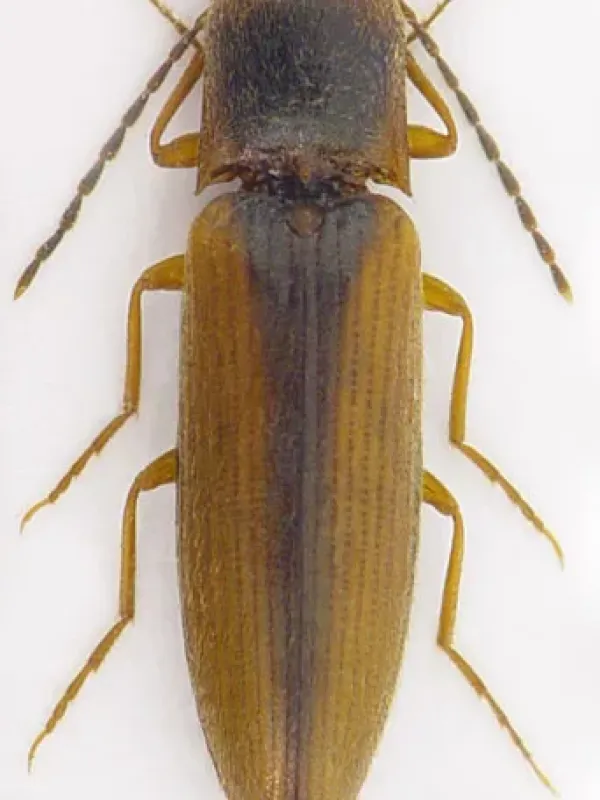
Dalopius lateralis belongs to the order Coleoptera and the family Elateridae. The adult insect is a small click beetle, typically ranging from 7 to 9 millimeters in length, with an elongated body that usually features brown or dark brownish coloration.
The larvae of this species, commonly known as wireworms, are characterized by tough, cylindrical bodies with a yellowish-brown or brownish hue. They possess three pairs of short thoracic legs, which make them highly mobile within the soil profile.
The family name Elateridae is derived from the beetle's unique ability to flip itself over with a characteristic clicking sound if it lands on its back. This mechanism serves as a defensive behavior to escape predators and return to a natural position.
The life cycle of Dalopius lateralis is multi-year, with the larvae spending several years in the soil before reaching the pupal stage. Their development is heavily influenced by soil temperature and moisture levels, making them persistent residents of the topsoil.
This species is widely distributed across forest and forest-steppe regions, preferring areas with adequate soil moisture. Adult beetles are primarily seen on the soil surface during spring and early summer, typically adopting a secretive lifestyle.
What it damages
Dalopius lateralis larvae are dangerous polyphagous pests that damage the root system and underground parts of almost all agricultural crops. They tunnel into sown seeds, destroying the embryo before seedlings can emerge, leading to significant yield losses.
The most severe damage occurs in cereal crops, corn, sunflowers, and sugar beets. During dry periods, wireworms often bore into the stems of young plants to obtain moisture, which effectively kills the sprouts and reduces plant stand density.
Potatoes and root vegetables suffer from direct injury as larvae carve deep tunnels into the tubers. These tunnels not only ruin the commercial quality of the produce but also create entry points for secondary infections that lead to rot and decay.
The harm caused by wireworms is magnified due to their tendency to cluster in specific areas, especially in fields with heavy weeds or poor soil management. Long-term infestation results in sparse plant populations and the need for costly crop reseeding.
At the early stages of plant development, damage can be catastrophic, destroying entire field patches. Monitoring and controlling wireworm populations is a fundamental requirement for maintaining optimal stand density and achieving profitable yields.
Signs of infestation
The primary symptom of infestation is the emergence of gaps or thin patches in the field shortly after seedling germination. Young plants often wilt, turn yellow, and can be easily pulled from the soil due to their damaged or severed root systems.
Upon inspecting the underground parts of affected stems, one can observe characteristic holes or tunnels gnawed by the larvae. In many cases, wireworms can be found in the immediate vicinity of the damaged plants, actively moving through the soil layer.
For tuber crops, signs of activity include visible cavities or deep tunnels on the surface of the produce. Opening these channels often reveals the larva actively feeding on the plant tissues, confirming its presence and activity level.
High wireworm activity is often linked to the presence of grassy weeds like couch grass in the field, which serve as a primary food source for the pest. Fields with heavy weed pressure are generally at a much higher risk of significant crop damage.
To accurately diagnose the infestation, agronomists use soil sampling or bait traps (buried grains or tuber pieces) to count the population density. Checking these traps after several days provides a reliable estimate of the number of wireworms per square meter.
Control measures
Deep autumn plowing is the most critical agrotechnical method for control. This process exposes larvae to the soil surface, where they become susceptible to freezing temperatures, intense sunlight, and avian predators, significantly reducing their numbers.
Maintaining a scientifically balanced crop rotation is essential, as it prevents long-term infestations associated with perennial grasses. Keeping fields free from weeds, particularly grasses, eliminates the necessary food base for larval survival.
Seed treatment with systemic insecticides is a highly reliable strategy to protect young seedlings during their most vulnerable stage. This practice ensures healthy growth even if wireworms are present in the soil during the early development phase.
Liming acidic soils creates an unfavorable environment for wireworm development, as they thrive in lower pH conditions. Regular soil pH management is an effective element of an integrated pest management strategy to discourage these pests.
In cases where population density exceeds economic injury levels, soil-applied insecticides during planting can provide a protective zone around the root system. This method effectively targets larvae in the areas where they congregate to feed.
Taxonomy
- Latin name
- Dalopius lateralis
- Order
- Coleoptera (beetles)
- Family
- Elateridae
- EPPO code
- DOLOLA
Discussion
No discussions yet — be the first.