
Dalopius
Dalopius
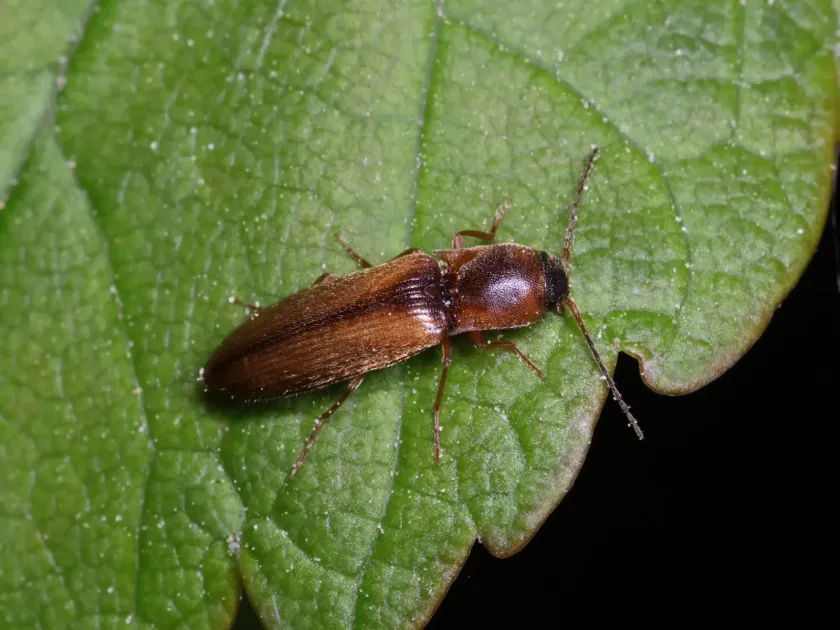
Description
How to identify
The genus Dalopius belongs to the family Elateridae (click beetles) within the order Coleoptera. Adult beetles possess an elongated body, typically brown or tan, and are distinguished by a special click mechanism on their thorax, which allows them to flip upright when placed on their backs.
The larvae, commonly known as wireworms, are recognized by their cylindrical, heavily sclerotized bodies, which are typically yellow to reddish-brown. They are highly resilient to soil moisture fluctuations and possess strong, protective cuticles that shield them from many environmental stressors.
The life cycle follows a complete metamorphosis involving egg, larva, pupa, and adult stages. Larvae typically live in the soil for several years, undergoing multiple molts as they grow. This prolonged underground phase makes them significant and persistent pests in various cropping systems.
Pupation occurs within a specialized earthen cell built by the larva in the soil. After the transformation, the adult beetle emerges to mate and seek favorable soil conditions, often moist, organic-rich environments, to lay its eggs for the next generation.
Proper identification of Dalopius species requires professional diagnostic tools, as wireworms from different genera look remarkably similar. Agronomists often examine the terminal abdominal segment of the larvae to verify the species in infested fields.
What it damages
Dalopius larvae are generalist feeders, targeting seeds, seedlings, and root systems of various economically important crops. They commonly damage cereals, maize, potatoes, sugar beets, and numerous vegetable crops, causing significant stand reduction.
In spring, newly emerged or overwintered larvae feed on germinating seeds, often hollowing out the embryo. As the crop grows, they attack the subterranean stems, cutting them off near the soil surface, which leads to the wilting and death of young plants.
Root damage caused by wireworms limits water and nutrient uptake, making the plants more susceptible to drought and secondary infections. In tubers and root crops, such as potatoes, larvae create deep tunnels, which drastically reduce the quality and market value of the produce.
The severity of the damage is often tied to the wireworm population density per square meter. In fields where intensive monocropping is practiced, wireworm populations tend to accumulate, leading to chronic yield losses over time.
- Destruction of germinating seeds.
- Severing of roots and subterranean stems.
- Patchy field emergence and stand thinning.
- Economic damage to tubers and root vegetables.
- Increased risk of secondary fungal rot infection.
When it appears
Activity begins in early spring as soil temperatures rise, prompting larvae to move from deeper, overwintering depths into the rhizosphere, where they actively seek out food sources. This aligns with the most vulnerable stage of crop establishment.
During the peak of summer, if the topsoil becomes excessively dry, wireworms will migrate deeper into the soil profile to maintain moisture. Their movement is highly dynamic, often reflecting the soil's moisture content and root availability.
Adult flight activity typically occurs during late spring and early summer. While adult beetles are often seen on foliage, they are generally not considered the primary agricultural threat compared to their soil-dwelling larvae.
In autumn, as temperatures begin to cool, larvae prepare for winter by moving to deeper, insulated soil layers to survive frost. This hibernation strategy ensures that a significant portion of the population survives from one season to the next.
Monitoring for Dalopius is conducted through soil sampling in late winter or early spring before planting. These counts help farmers decide whether pre-plant seed treatments or additional soil-applied insecticides are necessary for the upcoming crop.
Control measures
Effective management begins with cultural practices, such as deep autumn plowing, which exposes larvae to predators and unfavorable environmental conditions. Avoiding the planting of crops susceptible to wireworms on recently plowed pastures is also a critical preventative measure.
Improving soil drainage and correcting soil acidity (liming) can create conditions less favorable for wireworm survival. Regular control of rhizomatous weeds, particularly couch grass, removes the primary food source that helps wireworm populations flourish.
Chemical control is often centered on the use of seed treatments with systemic insecticides. This approach provides immediate protection during the crop's most susceptible germination and emergence phases, minimizing early plant losses.
Where infestation levels are extremely high, soil-incorporated granular insecticides may be applied. These treatments must be managed carefully, following local environmental regulations to prevent off-target effects and maintain soil health.
Biological control, including the application of entomopathogenic fungi such as Metarhizium spp., is becoming an increasingly viable tool. These bio-agents naturally target wireworms in their soil habitat, offering a sustainable alternative to conventional chemical pesticides.
Taxonomy
- Latin name
- Dalopius
- Order
- Coleoptera (beetles)
- Family
- Elateridae
- EPPO code
- DOLOSP
Discussion
No discussions yet — be the first.