
Conoderus exsul
Conoderus exsul
Description
How to identify
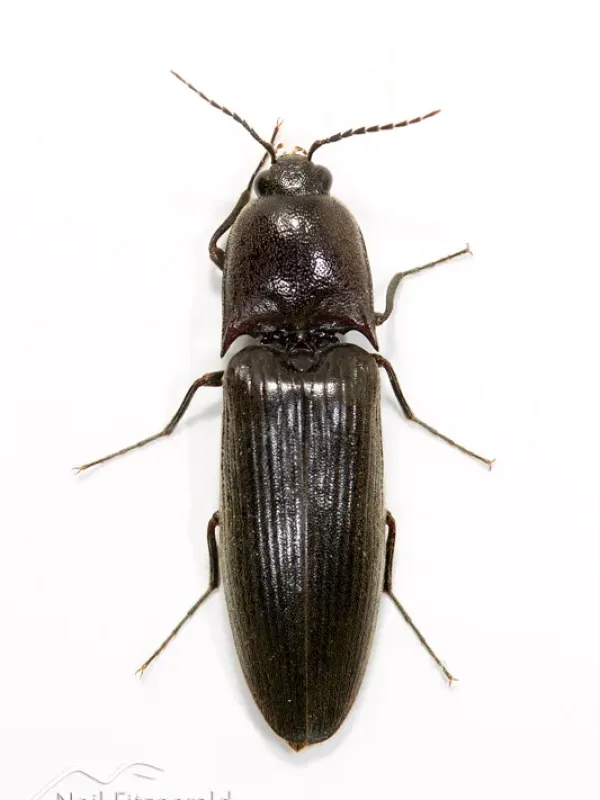
Conoderus exsul is a species of click beetle belonging to the family Elateridae (order Coleoptera). Adult beetles are characterized by a streamlined body and a unique mechanism that allows them to flip themselves over with an audible clicking sound.
The larval stage, commonly known as a wireworm, is the primary destructive form of this pest. These larvae possess a distinctively hard, cylindrical body that is typically yellow or brownish, designed for easy movement through soil.
The insect undergoes complete metamorphosis, including egg, larval, pupal, and adult stages. The larval stage is notably long-lived and can persist in the soil for several years depending on local environmental conditions.
These beetles prefer moist soils rich in organic matter. They are generally cryptic, with adults being most active during twilight or at night, making them difficult to spot during routine field inspections.
Scientific identification usually involves examining the morphology of the beetle's pronotum or the genitalia of males. However, for field management, detecting the presence of larvae in the soil is the standard practice.
What it damages
This pest is known for causing significant damage to various crops, including potatoes, sweet potatoes, corn, and several other root vegetables. The larvae feed primarily on the underground parts of plants.
By tunneling into tubers, taproots, and bulbs, wireworms severely reduce the marketability of the produce. Deep feeding canals make root crops unattractive and often unsellable for retail markets.
Feeding on the root system of young plants often leads to stunted growth, wilting, and, in severe cases, the death of the seedlings. This can result in significant stand reduction in commercial fields.
Wounds caused by wireworms serve as entry points for secondary infections, such as fungal pathogens and bacteria. This drastically shortens the shelf life of the harvested crops and increases post-harvest losses.
Infestations are particularly problematic in fields that were previously used as pastures or areas with heavy weed coverage, as these conditions provide ideal food and shelter for the larvae.
When it appears
The activity of Conoderus exsul is highly dependent on soil temperature and moisture levels. In early spring, as the soil warms up, larvae migrate from deeper layers toward the root zones of emerging crops.
The period of most intensive damage usually occurs during the spring and summer months when root development is at its peak. This is when the larvae are most hungry and active in the upper soil profiles.
Adult beetles typically emerge and mate during the summer months. They lay their eggs in the upper layers of the soil, ensuring that the next generation of larvae will have access to nutrients near the surface.
As autumn temperatures drop, the larvae begin their vertical migration back into deeper soil horizons. This behavior allows them to avoid freezing temperatures and successfully overwinter until the following spring.
Because the life cycle of this species can span multiple years, the population density in a field remains relatively stable, necessitating consistent monitoring across multiple cropping seasons.
Signs of infestation
The initial sign of a wireworm infestation is often patchy emergence of crops and the wilting of individual plants. Upon inspecting the root system, farmers may find evidence of gnawing or damaged roots.
For potato crops, a clear sign is the presence of small, dark entry holes on the skin of the tubers, leading into deep internal galleries. Larvae can often be found hiding inside these galleries when the tubers are cut.
In vegetable plots, damaged seedlings may fail to thrive. If a plant can be easily pulled from the ground, it is often a sign that the root system has been severed by wireworm activity.
The presence of adult click beetles in light traps or sticky traps during the summer indicates potential egg-laying activity, suggesting that future larvae will likely pose a threat to the next crop cycle.
Deformed or bumpy root surfaces are another indirect sign, caused by the plant's physiological response to healing previous feeding wounds made by the larvae during the growing season.
Control measures
Cultural control is the first line of defense. Deep autumn plowing disrupts the soil and exposes larvae to predators and unfavorable weather conditions, which significantly reduces the local population.
Maintaining proper soil pH through liming is effective, as wireworms generally perform poorly in neutral or alkaline soil conditions. Good weed control is also essential to eliminate alternative food sources.
Chemical control usually involves the application of soil insecticides during planting. These products are either banded or broadcast to create a protective zone around the seeds or developing tubers.
Using trap crops, such as rows of wheat or corn, can lure larvae to a specific area. These traps are then removed and destroyed along with the pests accumulated within the plant tissues.
Biological control methods, such as the use of entomopathogenic nematodes or fungi like Beauveria bassiana, offer a promising eco-friendly alternative for reducing wireworm populations in integrated pest management programs.
Taxonomy
- Latin name
- Conoderus exsul
- Order
- Coleoptera (beetles)
- Family
- Elateridae
- EPPO code
- CONOEX
Discussion
No discussions yet — be the first.