
Athous haemorrhoidalis
Athous haemorrhoidalis
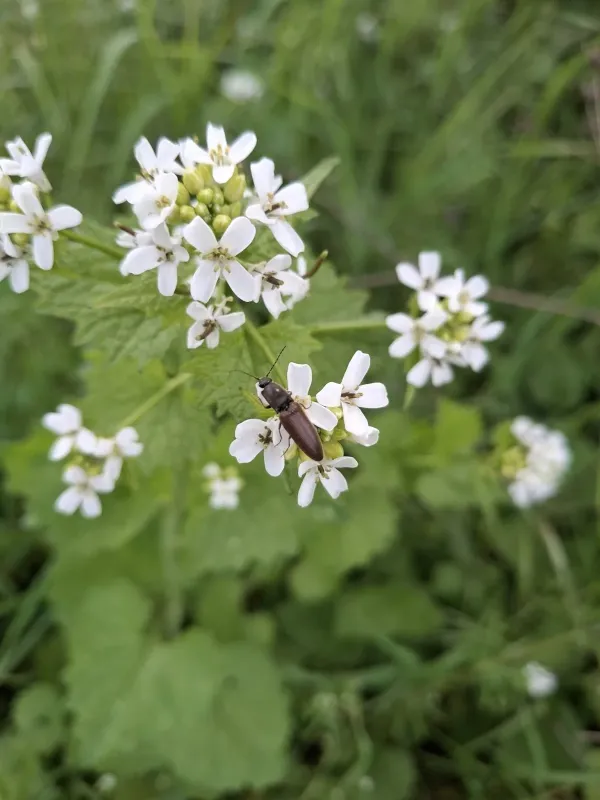
Description
How to identify
Athous haemorrhoidalis is a species of click beetle belonging to the Elateridae family, characterized by its ability to snap its thorax to leap into the air if placed on its back.
Adult beetles are typically 10–15 mm in length and exhibit a brownish body with a distinct reddish-brown pronotum, which helps distinguish them from other similar click beetle species.
The lifecycle is lengthy, spanning from 3 to 5 years, with the majority of this time spent in the larval stage, commonly known as a wireworm, living deep within the soil profile.
Wireworms have a characteristic hard, cylindrical body covered in a chitinous exoskeleton, which provides them with excellent protection against soil pressure and mechanical stress.
Adults emerge during the summer months, primarily feeding on leaf tissue and flowers, though they are generally considered less harmful to crops compared to the root-destroying larvae.
What it damages
The larvae are notorious polyphagous pests that cause severe damage to the roots, tubers, and seeds of various agricultural crops, including cereals, potatoes, and root vegetables.
In early stages of plant development, wireworms bore into germinating seeds and young stems, frequently leading to crop failure or significant reduction in plant density.
Root systems of mature plants are also susceptible; severe feeding often leads to stunted growth, reduced nutrient uptake, and increased vulnerability to environmental stress and pathogens.
The physical damage caused by larvae often creates entry points for secondary pathogens like soil-borne fungi, which can exacerbate the impact and lead to total plant death.
Root crops, such as potatoes and carrots, suffer quality degradation when larvae tunnel into them, resulting in significant losses during harvest and storage due to rot development.
Control measures
Effective management begins with robust crop rotation, avoiding susceptible crops following ley or grassland where wireworm populations are typically established and thriving.
Mechanical control through deep autumn plowing and regular cultivation can expose larvae to the surface, where they become targets for predatory birds and adverse weather conditions.
Soil pH management is a critical strategy; many wireworm species prefer acidic soil conditions, so applying lime to raise soil pH can create an environment less suitable for them.
Chemical control options include the use of soil-applied insecticides or professional seed treatments, which provide essential protection during the vulnerable germination phase.
Integrated weed management is also necessary, as specific weeds like couch grass provide a secondary food source that helps maintain wireworm populations in the field during crop rotations.
Taxonomy
- Latin name
- Athous haemorrhoidalis
- Order
- Coleoptera (beetles)
- Family
- Elateridae
- EPPO code
- ATHOHA
Discussion
No discussions yet — be the first.