
Click beetle (Anostirus)
Anostirus
Description
How to identify
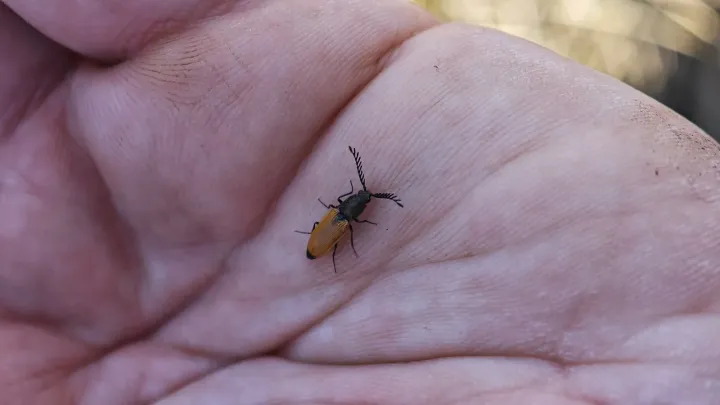
Beetles of the genus Anostirus belong to the Elateridae family. Adult specimens are generally elongated, measuring between 8 and 15 mm, with a dark brown to black coloration.
The larvae, known as wireworms, are the primary pest stage. They have a tough, cylindrical, and yellow-to-brown body, which provides excellent resistance to environmental stress within the soil.
Their life cycle is complex and typically spans three to five years, depending on the climatic region and soil moisture levels, which dictates their developmental speed.
Adult beetles possess a unique mechanism that allows them to flip themselves into the air with an audible click if placed on their back, which is a key identifying behavior.
These insects undergo complete metamorphosis, consisting of four stages: egg, larva, pupa, and adult. Each stage is adapted to survival within soil or surface debris.
What it damages
Anostirus is a polyphagous pest capable of attacking a wide array of crops. Its wireworms are particularly devastating to cereal grains, maize, sunflower, and sugar beet.
The larvae feed on germinating seeds and developing root systems, often leading to total stand failure and the need for significant reseeding efforts in affected fields.
In older plants, wireworms bore into the underground stems and crowns, which weakens the plant's overall health and increases susceptibility to opportunistic pathogens.
The damage is particularly severe in fields with high weed pressure and poor drainage, where the larvae thrive throughout the developmental stages of the crops.
Economic loss occurs not only through direct plant mortality but also through physiological stress, leading to stunted growth and lower quality of harvestable tubers or seeds.
When it appears
Adult beetles emerge in early spring, usually as soil temperatures rise, to begin their mating and oviposition phase, which typically peaks in late spring.
Females deposit eggs in moist, organic-rich soil. The larvae emerge shortly after and remain active in the topsoil layer during the growing season.
Wireworms demonstrate strong vertical migration patterns, moving deeper into the soil profile during extreme summer heat or winter cold to maintain favorable temperatures.
Pupation generally occurs at the end of the summer in specially constructed earthen cells. Once the transformation is complete, the adult often stays in the cell until spring.
Their multi-year developmental cycle ensures that there are always larvae of various ages present in the soil, creating a continuous pressure on agricultural land.
Signs of infestation
The first sign of an infestation is the appearance of thin, patchy spots in the crop field, where seedlings are failing to thrive or are missing entirely.
Plants affected by wireworms often show signs of yellowing and wilting, as their root systems have been compromised by the feeding activities of the larvae.
By conducting soil inspections around damaged plants, one can often retrieve wireworms, confirming the cause of the poor plant establishment and growth.
Monitoring using bait traps, such as burying soaked grains or potato slices, helps assess the infestation levels across different zones of the field before sowing.
Fields with a history of grass leys or high infestation of perennial weeds are naturally more predisposed to higher densities of wireworm populations.
Control measures
Effective management includes proper crop rotation and the elimination of perennial weeds, which act as host plants for the larvae during the fallow season.
Mechanical control via deep autumn plowing is highly recommended as it exposes the larvae to predators and unfavorable weather, effectively reducing the population.
Seed treatment with high-quality systemic insecticides is the standard practice for preventing early-season wireworm damage and ensuring successful germination.
Soil-applied granular insecticides can be used in high-risk areas during planting to create a protective chemical zone around the vulnerable seedling roots.
- Use of pheromone traps for monitoring
- Lime application to reduce soil acidity
- Maintaining balanced soil moisture
Taxonomy
- Latin name
- Anostirus
- Order
- Coleoptera (beetles)
- Family
- Elateridae
- EPPO code
- ANOSSP
Discussion
No discussions yet — be the first.