
Randall's click beetle
Ampedus randalli
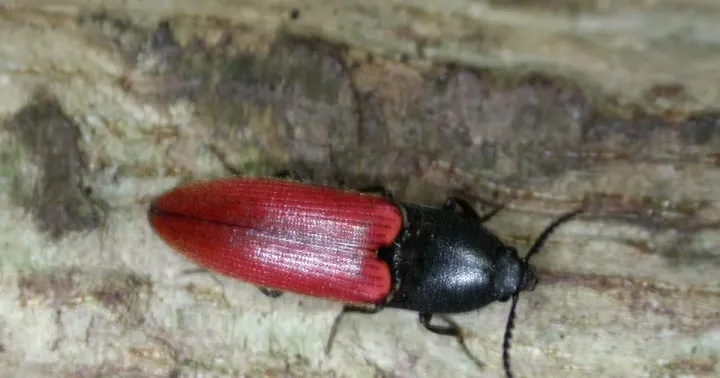
Description
How to identify
Randall's click beetle (lat. Ampedus randalli) is a member of the Elateridae family, belonging to the order Coleoptera. Adult beetles are characterized by their elongated, flattened bodies and the unique ability to produce an audible "click" when flipping themselves upright from their backs.
The adult is typically dark brown or black, often with subtle coloration. The larvae, widely known as wireworms, possess a distinctive cylindrical, heavily sclerotized body, which provides them with high durability and allows them to move efficiently through soil horizons.
The life cycle of this species includes four stages: egg, larva (wireworm), pupa, and adult. The larval stage is notably long, often lasting several years, during which the larvae remain in the soil and feed on plant tissues or organic matter.
While often found in natural habitats like forests or permanent pastures, the species can transition to agricultural settings, especially if crop rotation is not managed properly. Identifying the species correctly is difficult due to the morphological similarity between various Ampedus species.
These insects prefer environments with moderate moisture and are typically found in soil rich in organic material. Their presence is often associated with the root zones of trees or undisturbed grassy areas where they find shelter and sustenance.
What it damages
The most destructive stage of this beetle is the wireworm. These larvae live beneath the soil surface and feed on the roots, seeds, and the bases of young stems, causing severe stress to the growing crops.
Key agricultural crops at risk include cereals, corn, sunflower, and various root vegetables. Damaged plants typically exhibit stunted growth, yellowing foliage, and wilting, often leading to total loss during the seedling stage if the infestation density is high.
Mechanical damage caused by wireworms serves as a pathway for secondary infections, including fungal pathogens and bacterial rots. These diseases can devastate a crop even faster than the direct feeding of the larvae themselves.
Fields recently converted from permanent pastures or fallow land to annual crops are particularly susceptible. In such cases, the established population of wireworms can significantly impact the success of the new planting.
For tree nurseries, the larvae are a significant threat as they feed on the roots of young saplings, preventing proper nutrient uptake and leading to the eventual death of the trees during periods of drought or stress.
When it appears
Adult activity of Ampedus randalli peaks during the spring and early summer when the beetles emerge to mate and lay eggs. During this period, adults are frequently found on vegetation near their emergence sites.
Wireworms remain active in the soil profile throughout the warmer months, but their vertical position changes based on soil moisture and temperature. In dry conditions, they descend deeper into the soil to seek moisture, returning to the surface when conditions improve.
The period of maximum damage to crops occurs during spring, when soil temperatures reach optimal levels (generally +10°C or above) for larval metabolism, coinciding with the germination and early growth phases of the plants.
Autumn activity is also common as wireworms feed in the upper soil layers before migrating deeper for winter hibernation. This can pose a threat to winter-sown crops that are just beginning to establish their root systems.
The total development cycle from egg to adult takes several years, typically ranging from 3 to 5 years depending on the environmental conditions, which complicates pest control efforts and necessitates long-term management.
Control measures
Effective management of wireworm populations requires a comprehensive approach that integrates cultural, chemical, and biological control methods.
- Crop rotation: Rotating vulnerable crops with less susceptible ones helps break the life cycle of the beetle.
- Deep fall tillage: Mechanical disturbance of the soil helps expose larvae and pupae to predators and harsh environmental conditions, significantly reducing their numbers.
- Soil pH management: Applying lime to acidic soils can create a less favorable environment for egg-laying and larval survival.
- Seed treatments: Using systemic insecticidal coatings on seeds provides critical protection to the emerging seedling during its most vulnerable stage.
- Pest monitoring: Utilizing bait traps made of germinating seeds allows farmers to assess population density and make informed decisions regarding the need for chemical intervention.
Taxonomy
- Latin name
- Ampedus randalli
- Order
- Coleoptera (beetles)
- Family
- Elateridae
- EPPO code
- AMPDRA
Discussion
No discussions yet — be the first.