
Adrastus click beetle
Adrastus
Description
How to identify
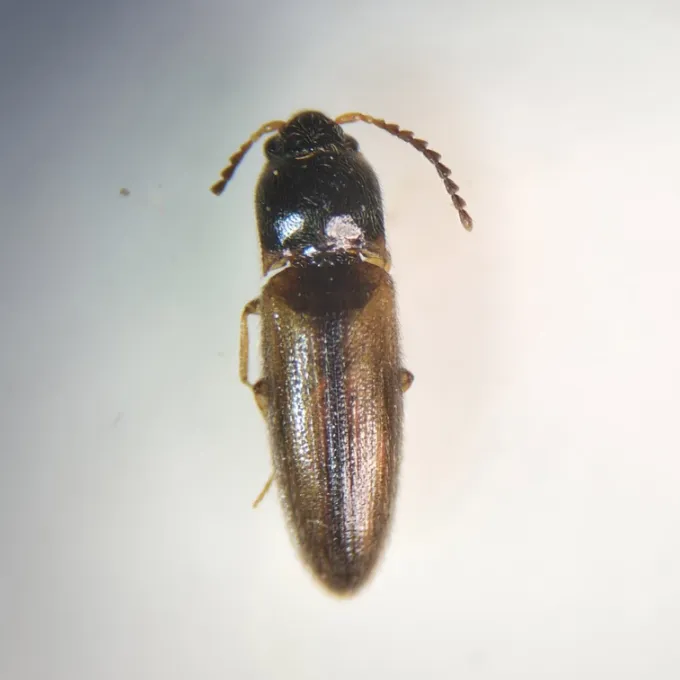
Beetles of the Adrastus genus belong to the Elateridae family, known as click beetles, within the order Coleoptera. Adult beetles are small, typically ranging from 4 to 7 mm in length, and generally possess an elongated, dark or brownish body.
The larvae of these beetles, commonly known as wireworms, are characterized by a firm, cylindrical, and highly sclerotized body. Their coloration ranges from yellowish to dark brown, which helps them blend into their soil environment.
A distinctive feature of the adult click beetle is the ability to snap its body and leap into the air with a clicking sound if placed on its back, a trait that helps them escape from predators.
The life cycle of the Adrastus genus involves complete metamorphosis: egg, larva, pupa, and adult. The larval stage is long and often lasts for several years, living entirely within the soil profile.
There are several species within the Adrastus genus that inhabit agricultural land. They are generally cryptic, spending most of their time beneath the soil surface, which makes early detection difficult.
What it damages
The primary economic damage is caused by the wireworms, which live in the soil and feed on the underground parts of various crops. They attack germinating seeds, roots, and young shoots.
Host crops for Adrastus wireworms include a wide range of cereals such as wheat, barley, and oats, as well as maize, sunflowers, potatoes, and various root vegetables.
Damage to seeds often leads to thin stands and poor crop emergence, necessitating replanting. Wireworms bore into the seeds, which frequently leads to secondary infections and decay.
As plants develop, larvae feed on the roots and the base of the stems, causing the seedlings to wilt and potentially die. This stunted growth significantly reduces overall yields and plant health.
Wireworm damage is particularly severe during dry seasons, as the damaged root systems are less capable of compensating for the loss of water and nutrients, resulting in greater field mortality.
When it appears
Adult beetles typically emerge from the soil in spring when soil temperatures reach 10–12 degrees Celsius. The main flight activity of the adults usually occurs in late spring and early summer.
Larvae are most active in the soil during periods of moderate moisture. During extreme drought or low winter temperatures, they migrate deeper into the soil profile to find suitable conditions.
The larval stage of the Adrastus genus is multi-annual, typically lasting between 3 and 5 years depending on environmental conditions and the availability of food sources.
The period of highest vulnerability for crops is early spring, which coincides with seed germination. During this phase, wireworms congregate around the emerging roots and stems.
Activity may also increase during the autumn months as larvae feed actively before entering winter dormancy, accumulating energy reserves to survive the cold season.
Signs of infestation
The primary indicator of infestation is the presence of uneven plant emergence or dead patches in the field, where seedlings have failed to establish without an obvious surface cause.
Inspection of the underground portions of withered plants often reveals characteristic tunneling or severed root systems, clearly pointing to wireworm feeding activity.
The use of bait stations (e.g., buried grain or potato pieces) is a common and effective method for monitoring wireworm density and assessing the risk of infestation in a field.
Observing adult click beetles on vegetation or on the soil surface during the flight period serves as a warning of potentially high future populations in that area.
For root crops like potatoes, damage manifests as small, deep entry holes or shallow, winding tunnels that degrade the aesthetic and commercial quality of the harvested produce.
Control measures
Effective crop rotation is the cornerstone of managing Adrastus populations, as it helps disrupt the life cycle of the pest by alternating host and non-host crops.
Deep autumn tillage is a recommended practice to expose larvae to the surface, where they become susceptible to cold temperatures and natural predators like birds.
Weed management, especially controlling grasses such as couch grass, is critical because these plants serve as vital food sources for wireworms between commercial crop cycles.
If population densities are high, the use of insecticidal seed treatments is recommended to protect seeds and seedlings from immediate attack during the critical establishment phase.
Applying soil-incorporated granular insecticides at planting provides a protective zone for the roots, effectively reducing wireworm pressure on vulnerable young crops.
Taxonomy
- Latin name
- Adrastus
- Order
- Coleoptera (beetles)
- Family
- Elateridae
- EPPO code
- ADRSSP
Discussion
No discussions yet — be the first.