
Adelocera
Adelocera
Description
How to identify
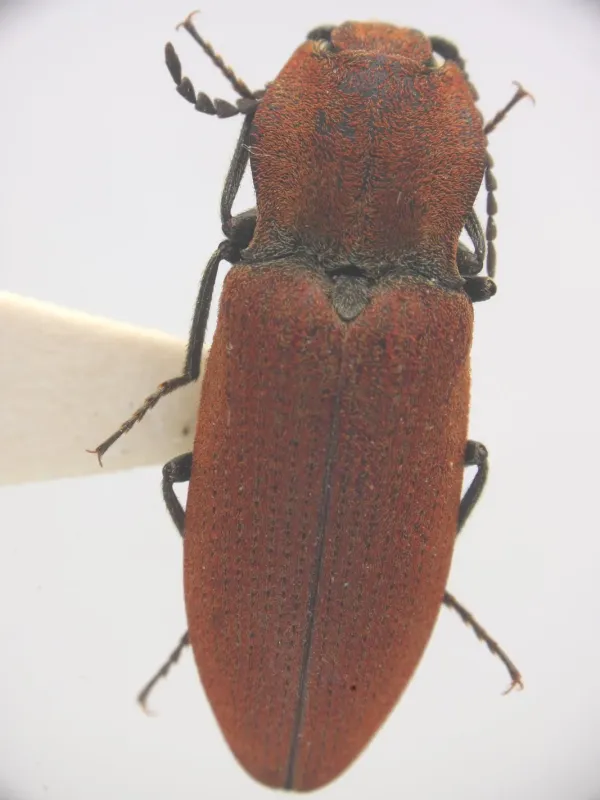
Beetles of the genus Adelocera are members of the Elateridae family, commonly known as click beetles. The adults are characterized by an elongated body shape and often possess a dense covering of scales, providing a dull appearance. The larvae, widely referred to as wireworms, are recognizable by their hard, cylindrical, and highly sclerotized bodies.
Identification is based on the specific morphological characteristics of the larval thoracic segments and the anal plate structure. Unlike some other Elateridae species, Adelocera can be found in a variety of environments, ranging from forest litter to dry sandy agricultural soils, which influences their local population dynamics.
The life cycle encompasses four distinct stages: egg, larva, pupa, and adult. The larval stage is the most prolonged and can span several years, during which they thrive in the soil layer, feeding on organic matter and plant roots. This durability makes them resilient against environmental fluctuations.
Adult beetles are generally secretive, often remaining under bark or deep in the soil during the day. Their activity patterns are highly dependent on soil temperature and humidity, which also dictate their emergence and egg-laying periods in late spring and early summer.
The survival capacity of this genus is high due to the larvae's ability to migrate vertically through the soil profile in response to extreme temperatures or moisture deficits. This behavior allows them to avoid unfavorable conditions and effectively overwinter in deeper soil layers.
What it damages
The primary damage is caused by the larval stage, which feeds on seeds, germinating sprouts, and young root systems of various crops. By consuming the germ of the seed and cutting through root tissues, wireworms significantly reduce plant stand density.
Adelocera larvae impact a broad range of crops, including cereals, maize, sunflower, and various root vegetables. Young seedlings are particularly vulnerable, as the destruction of their root system often leads to immediate plant wilting and death within a few days.
In addition to direct mechanical feeding, the wounds inflicted by larvae facilitate the entry of soil-borne pathogens. This leads to secondary infections such as root rot, which further exacerbates the damage and reduces the overall vigor of the crop.
Economic losses are often severe in fields with high larval density. When populations reach economic thresholds, the resulting stand loss frequently necessitates costly replanting operations, impacting the overall profitability of the agricultural enterprise.
Damage tends to be patchy across a field, reflecting the distribution patterns of the adult beetles during oviposition. Understanding these patterns is crucial for precision agriculture and targeted application of control measures.
Control measures
Effective management of Adelocera requires an integrated pest management approach that combines cultural, biological, and chemical methods. Crop rotation serves as a primary preventative measure by disrupting the stable food supply required by the larvae.
Seed treatment with systemic insecticides is the most effective intervention for protecting crops during the vulnerable establishment phase. These treatments provide a protective zone that suppresses wireworm feeding around the developing root system.
Tillage practices, particularly deep autumn plowing, are highly effective in exposing larvae to natural predators and harsh weather conditions. By bringing larvae to the surface, farmers significantly decrease the population density before the next growing season.
For high-pressure situations, the application of granular soil insecticides at planting provides targeted control. This method ensures that the active ingredient is placed directly in the seed furrow, offering immediate protection against soil-dwelling pests.
Monitoring the population through bait stations or soil sampling allows for data-driven decisions. By assessing the number of larvae per square meter, producers can determine the necessity of applying chemical control measures versus relying on preventative agronomic practices.
Taxonomy
- Latin name
- Adelocera
- Order
- Coleoptera (beetles)
- Family
- Elateridae
- EPPO code
- ADECSP
Discussion
No discussions yet — be the first.