
Stictonectes lepidus
Stictonectes lepidus
Description
How to identify
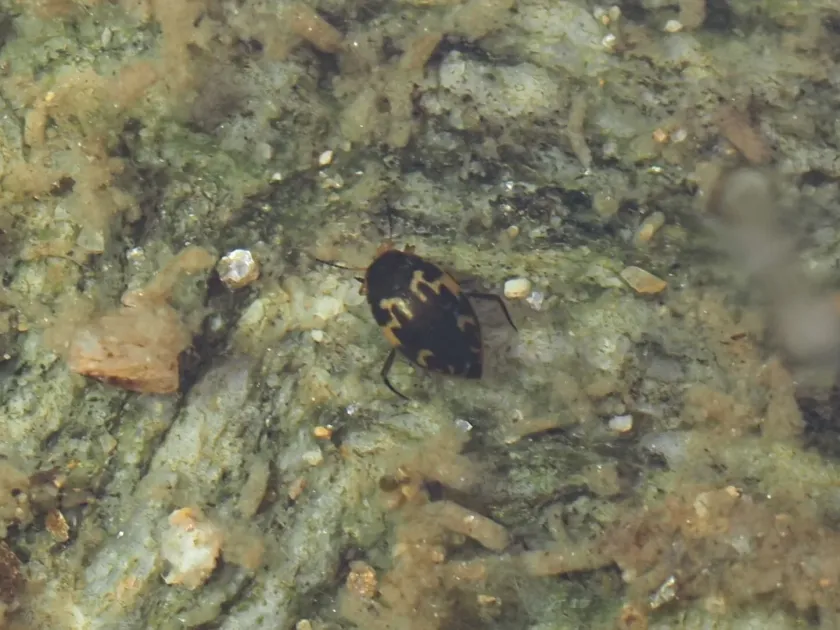
Stictonectes lepidus is a small aquatic beetle belonging to the Dytiscidae family. Adults typically measure between 3 and 4 mm in length and possess a streamlined, oval-shaped body designed for efficient swimming.
The coloration of the elytra varies from dark brown to black, often featuring yellowish or pale brown patterns. These beetles are adapted to aquatic life and are frequently found in stagnant or slow-moving water sources.
The larvae are predatory by nature and possess sickle-shaped mandibles used to capture and consume prey. They are highly mobile within the water column and are often found near submerged plant roots or submerged debris.
Like other diving beetles, adult Stictonectes lepidus must periodically surface to replenish their air supply, which is stored under the elytra. This behavior is a key diagnostic feature for visual observation.
The life cycle undergoes complete metamorphosis, including egg, larval, pupal, and adult stages. The pupal stage occurs in humid terrestrial environments adjacent to the water, often in substrate or moist soil.
What it damages
In agricultural settings, particularly hydroponic and aquaponic systems, this beetle acts as a nuisance pest. Both adults and larvae can cause mechanical damage to the delicate root systems of young crops.
These mechanical injuries create entry points for opportunistic pathogens, including water-borne fungi and bacteria. This frequently leads to severe root rot, which stunts plant growth and reduces crop yield.
Seedlings and young plants are particularly susceptible. The damage caused by larval feeding can disrupt nutrient uptake, leading to chlorosis, wilting, and, in severe infestations, plant death.
Beyond direct damage to roots, the presence of these beetles can disrupt the balance of recirculating water systems, potentially clogging filtration equipment or interfering with nutrient delivery.
Leafy greens and vegetables grown in deep-water culture or nutrient film technique systems are at the highest risk, as these environments provide perfect conditions for the beetle's life cycle.
When it appears
The seasonal activity of this beetle is heavily influenced by water temperature. In outdoor ponds, activity peaks during spring and summer when water temperatures are optimal for metabolic processes.
Inside controlled greenhouse environments, the beetle can maintain a year-round breeding cycle if water temperatures remain consistently above 20°C, effectively bypassing natural dormancy.
Adult beetles are capable of flight, especially during the night, allowing them to migrate between water sources. This makes the sealing of greenhouse vents and openings crucial for exclusion.
Reproductive rates often increase with longer daylight hours, leading to larger population spikes in greenhouse settings if unchecked by management practices.
Regular monitoring of irrigation reservoirs and drainage channels is recommended to detect populations early, particularly during the transition from dormant to active growth phases.
Control measures
Physical exclusion is the most effective preventative measure. Installing fine-mesh screens on all water intake systems prevents adult beetles from entering and colonizing the hydroponic tanks.
Regular maintenance of filtration systems is essential to physically remove larvae that may have bypassed initial screening. Prompt removal of decaying plant matter prevents egg-laying sites.
Biological control methods involving entomopathogenic nematodes or specific bacterial strains like Bacillus thuringiensis can be used to target larval stages without harming crops.
In extreme cases, temporary drainage and disinfection of the water system may be required to break the life cycle of the beetle and eliminate established larval populations.
Chemical control should be avoided in hydroponics due to the high risk of phytotoxicity. If necessary, only products labeled for aquatic system use should be applied with extreme caution.
Taxonomy
- Latin name
- Stictonectes lepidus
- Order
- Coleoptera (beetles)
- Family
- Dytiscidae
- EPPO code
- STCNLE
Discussion
No discussions yet — be the first.