
Meladema
Meladema
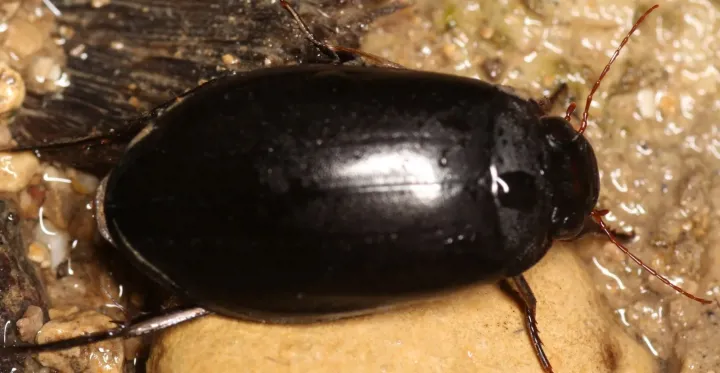
Description
How to identify
Meladema is a genus of large diving beetles belonging to the family Dytiscidae (predaceous diving beetles), within the order Coleoptera. These insects are well-adapted to life in aquatic environments.
The adult beetles are characterized by a streamlined body shape and specialized hind legs that function as oars, allowing for agile and swift movement through water.
The larvae are known for their ferocious predatory nature, possessing sickle-shaped mouthparts that they use to capture and consume prey much larger than themselves.
The life cycle encompasses four stages: egg, larva, pupa, and adult. Unlike many other aquatic insects, the pupation phase typically occurs on land near the water's edge.
These beetles are primarily found in standing or slow-moving water bodies, where they dominate as top-tier invertebrate predators within their micro-ecosystem.
What it damages
The damage caused by Meladema is predominantly documented in aquaculture settings, specifically in hatcheries and nursing ponds where young fish (fry) are reared.
The larvae are particularly harmful, using extra-oral digestion to liquefy the tissues of their prey, which inevitably leads to the mortality of fish fry and fingerlings.
Adult beetles can also inflict physical harm on fish by wounding their fins and skin, which can subsequently lead to infections and reduced growth rates in fish populations.
In addition to direct predation, these beetles compete with fish for natural food resources such as zooplankton, thereby affecting the overall productivity of the pond.
Heavy infestations can result in significant economic losses for fish farmers, as the survival rate of the stock is severely compromised by these active aquatic predators.
Control measures
Effective management begins with pond maintenance, specifically the practice of draining and drying out pond beds between production cycles to eliminate eggs and larvae.
Removing dense aquatic vegetation is a critical step, as it deprives the beetles of necessary shelter for hunting and sites for oviposition (egg-laying).
Installing fine-mesh screens on water supply inlets acts as a physical barrier, preventing the migration of adult beetles from wild water sources into controlled ponds.
While chemical control is generally avoided to prevent harm to fish stocks, regular monitoring and mechanical removal using light traps can keep population densities in check.
Adopting sustainable aquaculture practices, including regular habitat management and stock health monitoring, is the most viable strategy for minimizing the impact of Meladema.
Taxonomy
- Latin name
- Meladema
- Order
- Coleoptera (beetles)
- Family
- Dytiscidae
- EPPO code
- MLDMSP
Discussion
No discussions yet — be the first.