
Ilybius fenestratus
Ilybius fenestratus
Description
How to identify
Ilybius fenestratus belongs to the Dytiscidae family within the Coleoptera order. It is a carnivorous water beetle well-adapted to life in stagnant or slow-moving freshwater habitats.
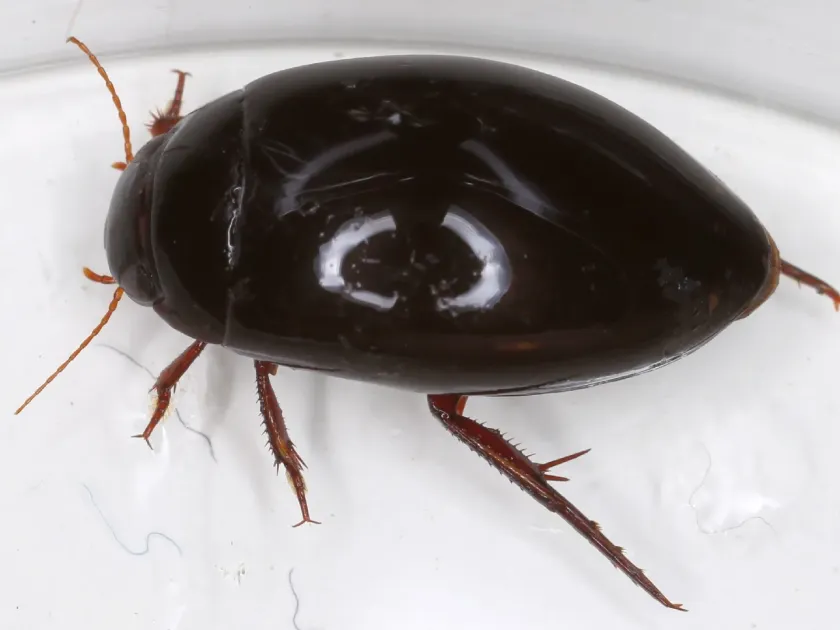
Adult beetles have a streamlined body, typically measuring between 10 to 12 millimeters. The dorsal surface is dark, often black with a subtle metallic luster, and identified by pale yellowish spots along the margins of the elytra.
The larvae are entirely aquatic and possess powerful, sickle-shaped mandibles designed for hunting. They are highly mobile, using their legs to move effectively through dense underwater vegetation.
These beetles are opportunistic colonizers of various water bodies, ranging from small ponds to irrigation canals. Their ability to fly between different sites allows them to rapidly occupy new habitats.
Proper identification requires examining the structural details of the beetles, as they often resemble other members of the Dytiscidae family that share the same ecological niches.
What it damages
The primary concern regarding Ilybius fenestratus in agricultural settings is its impact on aquaculture. Larvae are voracious predators that prey upon fish fry, leading to significant mortality rates in fish farming ponds.
Additionally, both larvae and adults can cause mechanical damage to aquatic crops. By feeding on the tissues of underwater stems and leaves, they weaken plant structures, leading to stunted growth or death.
The feeding activity of these beetles often compromises the integrity of aquatic plants, creating entry points for secondary bacterial and fungal pathogens. This degradation can reduce water quality and jeopardize the health of the entire pond ecosystem.
Economic damage is twofold: direct loss of fish inventory and increased maintenance costs required to mitigate the beetle population. Severe infestations can disrupt the productivity of aquatic horticultural systems.
In uncontrolled environments, the beetle population can become dominant, severely limiting the success of stocking programs. Early detection is essential to prevent cumulative losses throughout the growing season.
When it appears
The biological activity of Ilybius fenestratus begins in early spring as water temperatures rise. Adult beetles emerge from overwintering sites to commence mating and oviposition on submerged plant materials.
The larval stage reaches its peak activity during the early to mid-summer period. During this time, high feeding rates coincide with the vulnerable stages of fish fry, creating the highest risk for aquaculture operations.
As autumn approaches, adults prepare for dormancy. They typically burrow into the substrate or find sheltered spots in deeper water to survive the colder months in a state of reduced metabolic activity.
The life cycle encompasses several distinct stages: egg, three larval instars, pupa, and adult. Pupation typically occurs in moist soil at the pond margins, which is a critical phase for population control.
Climatic factors play a significant role in determining the timing of these cycles. Warmer-than-average seasons can extend the window of activity, necessitating a longer period of monitoring and management.
Signs of infestation
Signs of infestation include the presence of chewed or damaged aquatic vegetation. Irregular holes and serrated edges on leaves often indicate the presence of feeding larvae within the pond.
A notable sign in fish ponds is a decline in fish fry numbers without the presence of recognizable disease symptoms. Active searching with a fine-mesh net can reveal the presence of larvae in the water column.
Adult beetles can often be observed swimming near the water surface, especially in the evening. They must periodically surface to replenish their air supply, creating noticeable ripples as they move.
Finding exuviae (cast-off larval skins) on the vegetation along the shoreline is a strong indicator of successful pupation and the emergence of a new generation of beetles.
- Damaged or shredded aquatic plant tissues.
- Sudden, unexplained decline in fish fry populations.
- Direct observation of larvae in water samples.
- Frequent surfacing of adult beetles in calm water.
Control measures
Effective management begins with regular pond maintenance, specifically the removal of excessive aquatic weeds. Eliminating dense vegetation denies the larvae necessary hiding and egg-laying sites.
Draining and drying ponds during the off-season is a highly effective control measure. By removing water and treating the pond bed, producers can destroy overwintering stages of the beetle.
Biological control options involve introducing specific natural predators or using pathogen-based biopesticides. These methods require careful implementation to ensure they do not harm the fish or beneficial pond life.
Chemical control should be treated as a last resort, utilizing only approved, fish-safe insecticides. All applications must strictly adhere to local environmental regulations and label instructions to minimize ecosystem impact.
Installing barrier screens at water inlets serves as a preventative measure. This effectively limits the migration of adult beetles from nearby canals or wild reservoirs into controlled aquatic production environments.
Taxonomy
- Latin name
- Ilybius fenestratus
- Order
- Coleoptera (beetles)
- Family
- Dytiscidae
- EPPO code
- ILYBFE
Discussion
No discussions yet — be the first.