
Ilybius
Ilybius
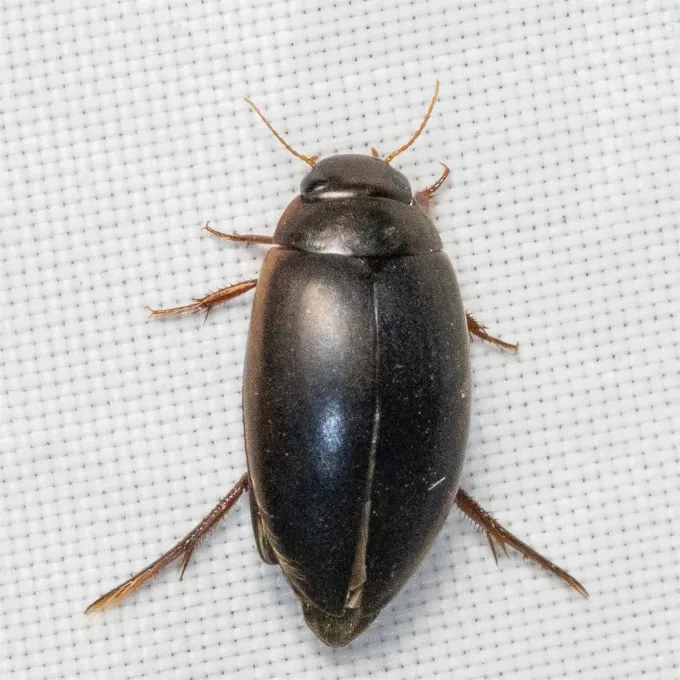
Description
How to identify
Ilybius is a genus of predatory water beetles belonging to the family Dytiscidae (diving beetles). These insects are characterized by a streamlined, smooth body, typically ranging in color from dark brown to black, often showing a faint metallic sheen.
Adult beetles possess robust, flattened hind legs covered with dense hairs that function as oars. These adaptations allow them to swim rapidly and execute precise maneuvers in the water column while hunting.
The larvae of Ilybius have elongated bodies, prominent mandibles, and distinct cerci at the end of the abdomen. They primarily reside in the substrate or among aquatic vegetation, acting as sit-and-wait predators.
A key trait of these beetles is their ability to fly effectively, allowing them to colonize new bodies of water or move away from dried-up habitats during seasonal changes.
Species identification within the genus Ilybius is highly technical and often requires examining male genitalia, as external appearances between species can be extremely similar.
What it damages
While Ilybius is not considered a traditional agricultural pest for crops, it poses a significant threat to aquaculture and fish hatchery operations.
Both the larvae and adult beetles are aggressive predators. They frequently attack fish fry, leading to direct mortality and substantial economic losses in fish-rearing facilities.
Beyond direct predation, Ilybius beetles compete with juvenile fish for food resources. They feed on zooplankton, such as Daphnia and copepods, which are essential for the growth of young fish.
High densities of these beetles in nursery ponds can lead to reduced fish survival rates and cause stress to the fry population, hindering their overall development.
Furthermore, they can serve as intermediate hosts for various aquatic parasites, which may be transmitted to fish when the latter consume the beetles or their parts.
When it appears
The life cycle of Ilybius is closely tied to the water temperature and seasonal cycles. Adults typically overwinter by burrowing into the mud at the bottom of ponds or along the banks.
In spring, as temperatures rise, adults emerge and begin active mating. Eggs are deposited into the tissues of submerged aquatic plants, providing protection for the developing offspring.
Summer marks the period of peak larval activity and growth. This is the time when these insects pose the highest risk to aquaculture, as they require significant food intake to complete their development.
During hot months or in cases of water depletion, adults utilize their flight capabilities to migrate to deeper or more suitable water bodies.
By autumn, larvae complete their growth and pupate in the soil near the water's edge, eventually emerging as adults to prepare for the upcoming wintering period.
Control measures
Effective management in fish farming focuses on environmental modifications, such as clearing excessive aquatic vegetation that provides shelter for Ilybius larvae.
Regular drainage and disinfection of pond bottoms during the off-season are essential to disrupt the life cycle of the beetles and reduce their population density.
Installing fine-mesh screens on water supply channels helps prevent the migration of adult beetles from natural water sources into commercial fish ponds.
Promoting a balanced ecosystem by encouraging natural predators, such as larger fish or aquatic birds, can assist in naturally curbing the beetle population.
Chemical control is generally avoided in aquaculture to prevent damage to the fish stock and the surrounding aquatic environment, making preventive management the preferred strategy.
Taxonomy
- Latin name
- Ilybius
- Order
- Coleoptera (beetles)
- Family
- Dytiscidae
- EPPO code
- ILYBSP
Discussion
No discussions yet — be the first.