
Hyphydrus ovatus
Hyphydrus ovatus
Description
How to identify
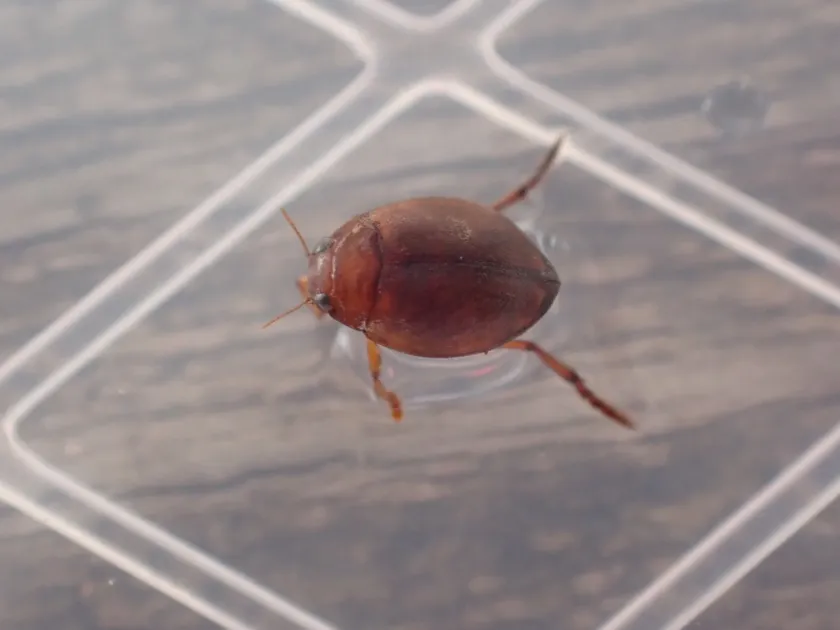
Hyphydrus ovatus is a species of diving beetle belonging to the Dytiscidae family. It is known for its distinct, nearly spherical, and highly convex body shape, which sets it apart from many other larger dytiscids.
Adult beetles are relatively small, typically measuring between 4 and 5 millimeters in length. Their coloration ranges from reddish-brown to almost black, providing excellent camouflage in murky water and aquatic vegetation.
The larvae are active predators characterized by sharp, sickle-shaped mandibles. These mouthparts are specially adapted for grasping prey and injecting digestive fluids, which liquify the internal tissues of the victim.
The life cycle consists of complete metamorphosis: egg, larva, pupa, and adult. Throughout their development, these insects are fully adapted to aquatic life and can thrive in various still-water environments.
Adult beetles are capable of flight, which allows them to colonize new habitats easily. They often migrate between water bodies, making them a persistent pest in regions with high concentrations of ponds and small lakes.
What it damages
The primary concern regarding Hyphydrus ovatus in an agricultural context is its predatory behavior in fish hatcheries and nurseries. They pose a significant threat to fish fry and young fingerlings.
Both adults and larvae attack small fish, causing mechanical injuries that often lead to secondary infections or direct mortality. This can significantly reduce the survival rate of young fish stocks.
Beyond direct predation, these beetles compete with fish for food resources, such as small crustaceans and aquatic insect larvae. This indirect impact reduces the available nutritional intake for the fish population.
High densities of Hyphydrus ovatus can disrupt the delicate ecosystem of a nursery pond, leading to substantial economic losses for fish farmers who rely on high survival rates of sensitive species.
In addition to lethal damage, the presence of these beetles can cause stress in fish populations, leading to reduced growth rates and increased susceptibility to other environmental stressors and diseases.
When it appears
The seasonal activity of these beetles begins in early spring as water temperatures rise. Adult beetles become active, emerging from hibernation to initiate mating and egg-laying on underwater vegetation.
The peak period for larvae activity occurs during the summer months. This is when the insects are most aggressive and ravenous, posing the greatest threat to young fish populations in ponds.
As autumn approaches and temperatures drop, the beetles enter a state of dormancy. They seek refuge in the bottom mud or dense vegetation mats to survive the winter conditions in a protected state.
Dispersal flights are most frequent during warm, calm evenings, allowing the beetles to move between ponds to exploit new food sources or to find more suitable conditions for the next generation.
Environmental fluctuations, such as severe heatwaves, may temporarily disrupt their breeding cycles, but the species demonstrates high resilience and can rapidly repopulate suitable habitats when conditions improve.
Control measures
One of the most effective management practices is the periodic draining and drying of pond beds. This physical disruption kills overwintering adults and destroys egg-laying sites in the sediment.
Maintaining clear pond margins and removing excessive aquatic vegetation significantly reduces the amount of cover available to the larvae, making them more vulnerable to predators and easier to manage.
Installing fine-mesh screens on water inlet channels is an essential preventative measure to stop the migration of adult beetles from natural water bodies into managed fish ponds.
Biological control, such as fostering environments that support other natural predators of diving beetles, can help maintain population levels below the economic injury threshold.
Chemical intervention should be treated as a last resort, as it can be detrimental to the overall pond health, affecting the fish directly and the beneficial aquatic microfauna essential for a balanced ecosystem.
Taxonomy
- Latin name
- Hyphydrus ovatus
- Order
- Coleoptera (beetles)
- Family
- Dytiscidae
- EPPO code
- HYYSOV
Discussion
No discussions yet — be the first.