
Variegated diving beetle
Graptodytes pictus
Description
How to identify
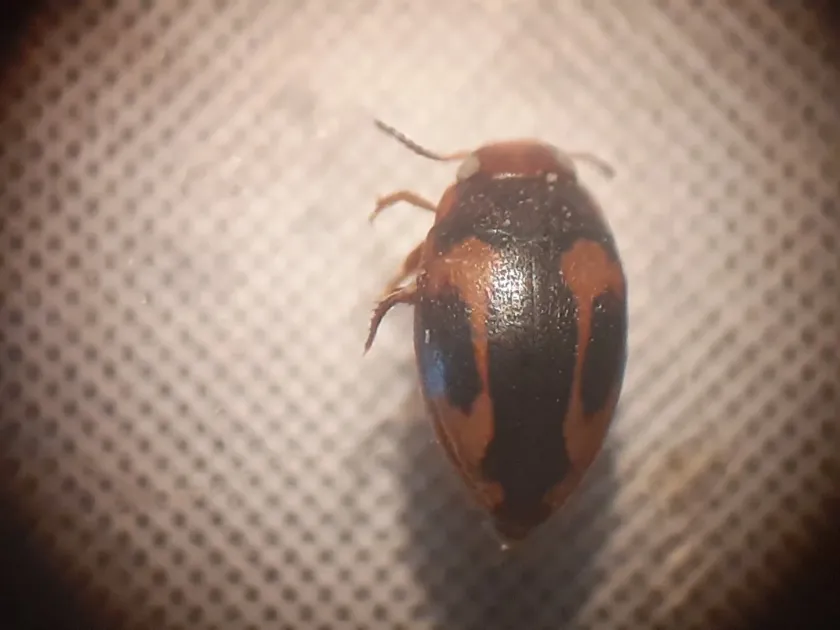
The Variegated diving beetle (Graptodytes pictus) is a small aquatic beetle belonging to the family Dytiscidae. Adults typically measure between 2.5 and 3 mm in length, featuring an oval and streamlined body shape.
Their elytra are characterized by a distinct pattern of alternating dark and light patches, which serves as a key identifier for this specific species. These insects are highly adapted to life in aquatic environments.
The species is equipped with functional wings, allowing adults to disperse effectively between various water bodies. They are commonly found in still or slow-moving waters with abundant vegetation.
Larvae are strictly aquatic and act as active predators, contributing to the insect's presence in irrigation systems and wetlands. They are well-equipped to thrive in these specialized habitats.
This beetle is a frequent inhabitant of rice paddies and man-made water systems, where it utilizes both the water column and the provided vegetation for its life cycle.
What it damages
While primarily predatory, the Variegated diving beetle can become a pest in agricultural settings, particularly in rice cultivation. Large populations can inflict damage on young plant tissues.
Larvae use their specialized mouthparts to feed on young rice shoots. This feeding activity can weaken seedlings, significantly reducing their vitality and potential for future growth.
Adult beetles may also feed on the epidermis of stems and leaves. Such injuries create entry points for secondary infections, including fungal and bacterial pathogens, which further harm the crop.
Severe infestations can lead to thinning of crops in specific areas, causing noticeable yield losses. The impact is most significant during the early vegetative stages of plant development.
Beyond physical damage, the intense activity of larvae and adults in the root zone can disrupt the soil-water interface, hindering the plant's ability to efficiently absorb vital nutrients.
When it appears
The activity of the Variegated diving beetle is highly correlated with water temperature. Peak numbers are observed in late spring and throughout the summer months when conditions are warmest.
The beetle undergoes a complete life cycle, including egg, larval, pupal, and adult stages. They typically overwinter in the mud or plant debris at the bottom of the water body.
With the arrival of warmer weather, adults emerge to mate and lay eggs on aquatic plants. The rapid development of the summer generation can lead to a surge in population density.
During the warmest part of the season, the beetle's metabolism is at its highest, leading to increased feeding activity and potential agricultural concern for farmers.
As temperatures decline in autumn, the beetles gradually prepare for winter, retreating into the substrate at the bottom of the pond or channel to undergo diapause.
Signs of infestation
The first signs of an infestation include the appearance of small, irregular bite marks on the stems of young plants located near or just below the water's surface.
Direct observation of the water column may reveal adult beetles swimming in short, darting movements, which is a classic behavior for this diving beetle species.
Yellowing or wilting of seedlings in clusters often indicates localized damage caused by the larvae feeding on the lower portions of the plant stems.
An accumulation of insects can sometimes cause visible disturbance on the water's surface or result in cloudy water due to the larvae's active disturbance of the bottom sediment.
A sudden increase in the number of birds or amphibians foraging in the water may indirectly signal an increase in the aquatic insect population, including this beetle.
Control measures
Effective management includes maintaining optimal water levels and implementing brief drying periods if the crop allows, which can significantly reduce the larval population.
Managing the density of aquatic vegetation in irrigation channels is crucial, as this flora provides the necessary refuge and breeding ground for the beetles to thrive.
Biological controls, such as encouraging local predators that feed on aquatic insects, help maintain a natural balance and suppress potential pest outbreaks.
When infestation levels exceed the economic threshold, the use of environmentally safe, water-approved insecticides may be necessary to protect the primary crop.
- Regular water monitoring
- Vegetation management
- Crop rotation practices
- Natural predator protection
- Controlled drying cycles
Taxonomy
- Latin name
- Graptodytes pictus
- Order
- Coleoptera (beetles)
- Family
- Dytiscidae
- EPPO code
- GRDTPI
Discussion
No discussions yet — be the first.