
Brachytarsus
Brachytarsus
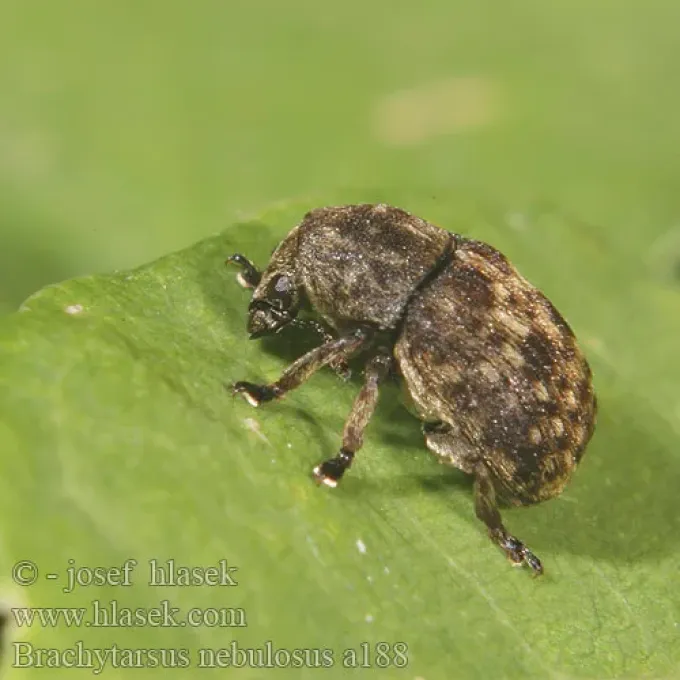
Description
How to identify
Brachytarsus is a genus belonging to the family Anthribidae, commonly known as fungus weevils, which exhibit distinct physical characteristics.
Adult beetles have a short snout compared to typical weevils and their bodies are often covered in fine hair, providing effective natural camouflage.
The larvae are typically whitish with a curved body shape and developed mouthparts, allowing them to feed within plant tissues or fungal structures.
Antennae in this genus terminate in a clearly defined club, which serves as a critical identification feature for specialists in the field.
These insects are highly mobile and capable of flight, which allows them to colonize new fields effectively throughout the growing season.
What it damages
The pests primarily affect cereal crops, causing mechanical damage to stems and developing grain, which leads to reduced crop quality.
Damage often starts at the plant base or within the stem, where larvae feed on the internal tissues, weakening the plant structure significantly.
By damaging the grain, these insects facilitate the entry of secondary pathogens, including various types of molds and fungi that further ruin the harvest.
Significant economic losses occur when large populations target the crop, as the affected plants often exhibit stunted growth and reduced yields.
In stored grain, if conditions permit mold growth, these beetles can become a secondary pest, further degrading the stored product quality.
When it appears
Adult activity typically begins in late spring when temperatures rise, signaling the emergence of beetles from their overwintering sites.
The peak of their activity corresponds with the flowering and grain-filling stages of cereal crops, which are the most critical times for damage prevention.
The summer generation continues to reproduce, with females laying eggs on susceptible host plants to ensure food availability for the next generation.
Overwintering occurs in the adult or larval stage, utilizing plant debris, soil crevices, or bark as protective shelters against winter temperatures.
Developmental rates are closely tied to environmental factors like humidity and temperature, influencing the number of generations per year.
Signs of infestation
Early signs of infestation include small, circular entry holes made by adult beetles on stems, leaves, or directly on the developing grain kernels.
Plants may show signs of yellowing or wilting due to the internal feeding of larvae, which disrupts the transport of water and nutrients.
The presence of fine frass near the feeding sites is a telltale indicator that larvae are active within the plant tissues or grains.
When inspecting fields, one might find the adults hiding under leaf sheaths or falling to the ground when disturbed as a defense mechanism.
- Wilting of stems.
- Entry holes on plant parts.
- Presence of frass.
- Grain kernel damage.
Control measures
The most effective strategy involves rigorous cultural practices, such as deep plowing to bury infested plant debris and break the life cycle.
Crop rotation remains a fundamental method to prevent the buildup of pest populations in specific fields over consecutive years.
Using certified, healthy seeds and implementing seed treatment can protect early-stage crops from initial colonization by emerging adults.
When threshold levels are exceeded, the application of appropriate insecticides is recommended to manage population spikes during critical growth stages.
Regular field monitoring and the maintenance of general plant health help minimize the vulnerability of crops to Brachytarsus and other pests.
Taxonomy
- Latin name
- Brachytarsus
- Order
- Coleoptera (beetles)
- Family
- Anthribidae
- EPPO code
- BRATSP
Discussion
No discussions yet — be the first.