
Southern thrips
Thrips meridionalis
Description
How to identify
Southern thrips (Thrips meridionalis) belongs to the Thripidae family within the order Thysanoptera. These are tiny insects, typically measuring between 1 and 1.5 mm in length, characterized by narrow bodies and fringed wings.
Adults exhibit color variations ranging from light yellow to brown, which helps them blend into the foliage of their host plants. Larvae are smaller, wingless versions of adults but are equally active feeders.
Their mouthparts are designed for piercing plant cells and sucking out the sap. This specialized feeding mechanism causes significant cellular damage to the host plant's epidermis.
They are notoriously difficult to spot due to their microscopic size and preference for hiding in secluded areas like plant crevices, leaf folds, or inside flower buds.
Using blue or yellow sticky traps is a standard diagnostic practice to confirm their presence and monitor population density within an agricultural setting.
What it damages
Southern thrips are polyphagous pests that attack a wide array of crops, including vegetables like peppers, tomatoes, and cucumbers, as well as fruits and ornamentals.
The insects feed on leaves, buds, and young fruits. Feeding causes stunted growth, leaf distortion, and the formation of silvery or necrotic patches on the plant tissue.
Beyond direct feeding damage, Southern thrips are significant vectors for several plant viruses. These pathogens can cause systemic infections that drastically reduce yield and quality.
Severe infestations often result in fruit deformation, such as russeting or spotting, which renders the produce commercially unmarketable, leading to substantial economic losses.
The pest's high reproductive rate allows a small population to quickly overwhelm a crop, especially during periods of rapid growth or favorable environmental conditions.
When it appears
These insects thrive in warm, dry weather. Their activity usually begins in late spring and peaks during the summer months when temperatures are optimal for reproduction.
In greenhouses, Southern thrips can maintain continuous generations throughout the year, provided there is a constant supply of host plants and adequate temperature control.
The lifecycle proceeds through egg, larva, prepupa, pupa, and adult stages. Multiple generations can occur within a single growing season, complicating management efforts.
They overwinter as adults or pupae in the soil or protected debris. Consequently, sanitation practices during the off-season are essential to reducing the initial pest pressure.
Migrations often occur from surrounding weeds or neighboring fields, making barrier management and perimeter weed control important components of a broader defense strategy.
Signs of infestation
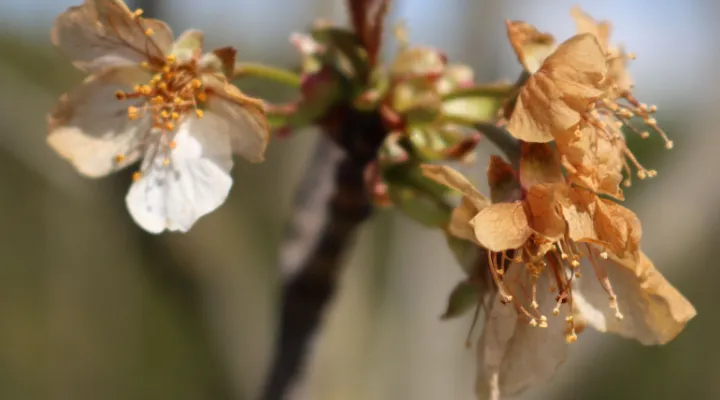
The first visual indicators are tiny, silver-colored stippling or streaks on leaves. As the infestation progresses, these marks coalesce into larger, bleached-out or bronzed areas.
Flower buds are frequently deformed, often failing to open or displaying scorched-looking petals. Young fruits may show abnormal growth patterns or small necrotic spots.
- Presence of tiny black fecal droplets on the underside of leaves.
- Wilting and premature senescence of heavily infested foliage.
- Curling or twisting of growing shoot tips.
- Development of unsightly corky tissue on maturing fruit surfaces.
A simple check using a hand lens on the undersides of leaves or inside blossoms will typically reveal the presence of active, slender-bodied nymphs and adults.
Control measures
An effective management strategy integrates cultural, biological, and chemical methods to keep thrips populations below the economic threshold of damage.
Cultural control includes maintaining field hygiene, removing host weeds, and utilizing crop rotation to break the pest's cycle. Proper irrigation can also help crops withstand feeding stress.
Biological control is highly effective in greenhouse environments, utilizing predatory mites (like Amblyseius spp.) or minute pirate bugs (Orius spp.) to hunt and consume thrips.
Chemical control must be applied with caution; rotating active ingredients is mandatory to delay or prevent the development of resistance within thrips populations.
When spraying, thorough coverage is essential—especially targeting the undersides of leaves and flowers where insects hide—to ensure the insecticide reaches the target population.
Taxonomy
- Latin name
- Thrips meridionalis
- Order
- Thrips
- Family
- Thripidae
- EPPO code
- TAETME
Discussion
No discussions yet — be the first.