
Banana thrips
Chaetanaphothrips signipennis
Description
How to identify
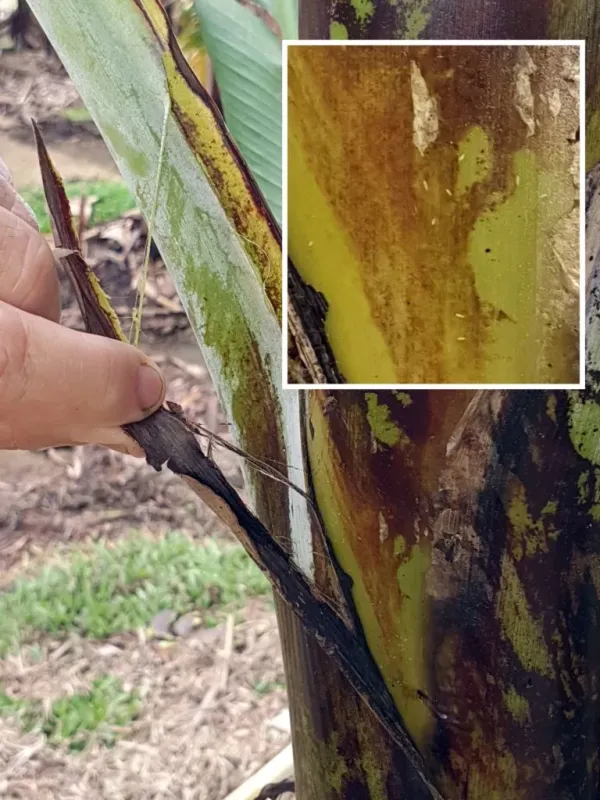
The banana thrips (Chaetanaphothrips signipennis) is a member of the Thripidae family within the Thysanoptera order. This small insect measures approximately 1–1.5 mm in length and is characterized by a yellowish-brown body with distinct dark stripes on its wings.
The life cycle progresses through the egg, two larval stages, prepupa, pupa, and adult stages. Unlike many other species, these thrips often pupate on the fruit or between fingers of the banana bunch, which complicates traditional pest control methods.
Adult thrips are highly mobile; however, the population growth is primarily driven by high humidity and moderate temperatures. Tropical climates and greenhouses provide the perfect environment for these pests to thrive year-round.
Reproduction can occur both sexually and through parthenogenesis. This reproductive flexibility allows the pest to rapidly colonize plantations, leading to severe outbreaks if left unchecked during favorable weather conditions.
Identification is difficult because the insects are cryptic, preferring to hide under the bracts of banana flowers or in the tight spaces between developing fruits, away from direct sunlight.
What it damages
While the banana is the primary host, this species can also affect citrus, pineapples, and various ornamental plants. The thrips feed on plant sap by piercing the epidermis of leaves and fruits.
The most significant economic damage is to the fruit's cosmetic appearance. Early feeding damage results in the formation of large, corky patches as the fruit expands, which are often referred to as "rusting" or scarring.
Affected fruits are downgraded or rejected for export. The damaged skin is also prone to secondary infections by fungi, which further degrade the fruit quality and lead to premature decay during shipping.
Beyond direct physical damage, thrips act as vectors for various plant viruses, potentially spreading diseases throughout the plantation that weaken plant vigor and reduce overall yields.
In intensive cultivation systems, failure to manage thrips populations can result in significant market losses, sometimes exceeding 50% of the harvest if control measures are not implemented early.
Signs of infestation
The first signs of infestation are reddish or brown blemishes on the skin of young bananas. Over time, these marks expand and merge, creating extensive areas of scarred, discolored, or "rusty" peel.
On leaves, the damage appears as silvery or whitish streaks, caused by the thrips emptying the cell contents and the subsequent air infiltration into the leaf tissue.
Searching for the insects themselves under the bracts or within the clusters is a key diagnostic step. Yellow sticky traps are widely used to monitor for the presence and activity levels of adult thrips.
The presence of small black fecal droplets on the fruit surface serves as a reliable indicator that an active colony is present and feeding nearby.
Noticeable fruit deformation and stunted growth are advanced symptoms of high-density populations and indicate a critical need for immediate intervention to save the remaining crop.
Control measures
Mechanical control is highly effective and involves bagging the banana bunches with polyethylene sleeves. This creates a physical barrier that prevents thrips from accessing the young, developing fruit.
Cultural practices are essential, focusing on orchard sanitation, such as the removal of weeds and debris that provide shelter for thrips during the non-fruiting periods.
Chemical control utilizing systemic insecticides may be necessary, but application must be carefully managed to ensure residue levels remain within safety limits for consumer protection.
Biological control options include the introduction of predatory mites, anthocorid bugs, and the use of entomopathogenic fungi to suppress population growth in a sustainable manner.
- Use of yellow sticky traps for monitoring.
- Bagging of banana bunches with polyethylene.
- Regular weed control and plantation sanitation.
- Application of biological agents and beneficial insects.
Taxonomy
- Latin name
- Chaetanaphothrips signipennis
- Order
- Thrips
- Family
- Thripidae
- EPPO code
- SCITSI
Discussion
No discussions yet — be the first.