
Greenhouse citrus thrips
Chaetanaphothrips leeuweni
Description
How to identify
The greenhouse citrus thrips (Chaetanaphothrips leeuweni) is a small insect belonging to the order Thysanoptera and the family Thripidae, recognized as a significant pest in greenhouses.
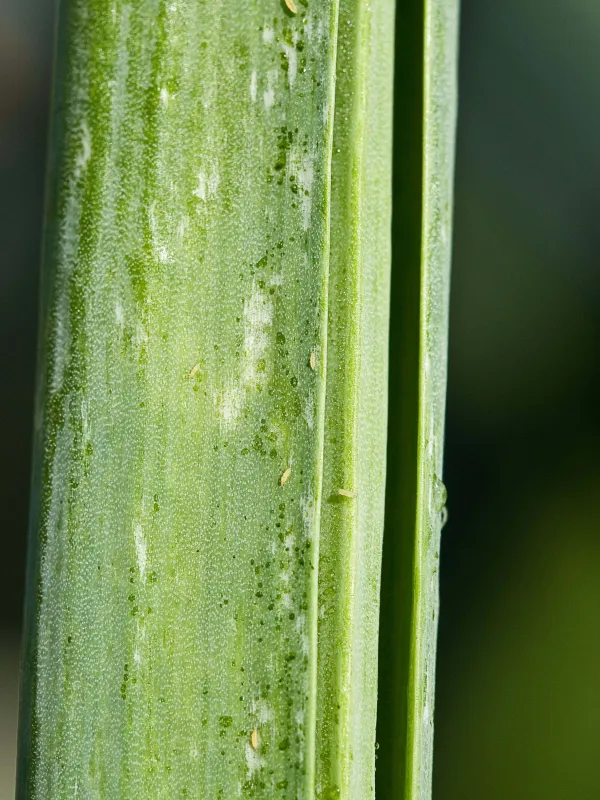
Adults are very small, typically measuring 1 to 1.5 mm in length, and possess a pale yellowish to brownish body, making them difficult to detect without a magnifying glass.
The lifecycle consists of egg, two larval stages, propupa, pupa, and adult. In climate-controlled environments, breeding occurs continuously throughout the year.
This species is secretive by nature, often hiding in leaf axils, under fruit calyxes, or in the crevices where leaves or stems touch, which complicates early detection.
Optimal environmental conditions for its proliferation are high humidity and warm temperatures, which are commonly found in commercial or home greenhouses.
What it damages
The pest primarily targets citrus crops, including lemons, oranges, and mandarins, but can also infest various ornamental plants grown in sheltered conditions.
Feeding occurs through the piercing-sucking action of the mouthparts, which extracts cell contents and disrupts the plant's physiological processes, including photosynthesis.
Young fruit is particularly susceptible; damage results in unsightly scarring, skin discoloration, and significant deformation, drastically reducing the market value of the produce.
Heavy infestations can cause severe stress to the plant, leading to stunted shoot growth, premature leaf drop, and overall physiological weakening.
The damage to the epidermis provides an entry point for secondary bacterial and fungal infections, further endangering the long-term health of the host plant.
Signs of infestation
Early symptoms appear as small, silvery or white streaks on the leaf surface, which gradually expand into necrotic patches as the infestation progresses.
Small, dark, pin-point deposits of frass (feces) are a classic sign of thrips activity and are usually found on the underside of leaves or near affected fruit.
Fruit damage is characterized by distinct, scabby corky areas on the peel, which lose their natural luster and become rough and unattractive.
Twisted and distorted young leaves or shoots are clear indicators of a high pest population impacting the plant's development.
- Silvery leaf discoloration.
- Dark black fecal spots.
- Distorted and corky fruit skin.
- Premature yellowing of leaves.
Control measures
Effective management of Chaetanaphothrips leeuweni requires an integrated approach that combines sanitation, biological agents, and selective chemical treatments.
Strict quarantine measures and thorough cleaning of the greenhouse environment are essential to prevent the initial introduction of this pest into the facility.
Chemical control focuses on the use of systemic insecticides that are absorbed by the plant, providing protection against the thrips as they feed on the internal tissues.
Biological control, using beneficial insects such as predatory mites or bugs like Orius spp., provides a sustainable alternative to chemical applications in greenhouses.
Routine monitoring with blue or yellow sticky traps is a critical component of pest management, allowing for early detection and targeted interventions before population outbreaks occur.
Taxonomy
- Latin name
- Chaetanaphothrips leeuweni
- Order
- Thrips
- Family
- Thripidae
- EPPO code
- CHANLE
Discussion
No discussions yet — be the first.