
Orchid thrips
Anaphothrips orchidaceus
Description
How to identify
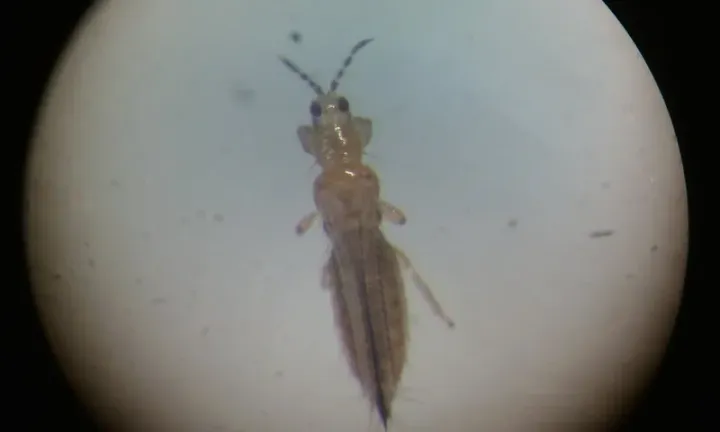
The orchid thrips (Anaphothrips orchidaceus) is a small insect belonging to the order Thysanoptera. These pests are extremely small, usually reaching only 1–2 mm in length as adults.
They possess a slender body, often yellowish-brown or light brown in color, which helps them blend into the plant tissues. The wings are narrow and fringed with fine hairs, giving the order its name.
The lifecycle includes several stages: egg, larva, prepupa, pupa, and adult. Due to their rapid development, a population can explode in a very short time if environmental conditions are favorable.
Larvae are similar in appearance to adults but are wingless and lighter in color. They are highly mobile and prefer hiding in tight crevices, such as leaf axils or unopened flower buds.
Pupation often occurs in the soil or protected areas of the plant, which makes controlling the entire population cycle a challenging task for growers.
What it damages
The primary hosts of this species are orchids (Orchidaceae), though they are known to infest various other ornamental and greenhouse plants.
Thrips feed by puncturing the plant cells and sucking out the contents. This process destroys the chlorophyll and leads to tissue collapse and silvering of the foliage.
Beyond the direct physical damage, thrips are known vectors for various plant viruses, which can lead to the systemic infection and eventual death of the host plant.
Feeding on flower buds often results in deformed flowers, brown necrotic streaks on petals, and sometimes the complete abortion of the bloom.
Extensive feeding drains the plant's energy reserves, leading to stunted growth, loss of vigor, and increased susceptibility to secondary infections.
Signs of infestation
The most distinctive symptom is the presence of silvery, blotchy, or streaked markings on the leaves, caused by the entry of air into emptied plant cells.
A telltale sign of a thrips infestation is the presence of tiny black spots on the underside of leaves, which are the excrement (frass) left behind by the insects.
Affected flower buds may fail to open properly and often show signs of desiccation or scarring, significantly detracting from the plant's ornamental value.
In severe cases, the foliage may look dusty or rusted due to the density of feeding sites and the subsequent drying out of the damaged leaf tissue.
Monitoring with yellow or blue sticky traps is an essential technique to detect the presence of winged adults before a widespread outbreak occurs.
Control measures
Effective management begins with strict sanitation and the immediate isolation of any infested plants found within a collection.
Systemic insecticides are the most effective chemical control, as they are absorbed by the plant and kill the thrips while they feed on the internal fluids.
Rotating chemical classes is crucial to prevent the development of resistance, which is a common problem when dealing with these fast-reproducing pests.
Maintaining proper environmental conditions, such as increasing humidity levels, can help suppress thrips development, as they prefer dry, warm environments.
Biological control agents, such as predatory mites or parasitic wasps, are excellent options for greenhouse settings, providing a sustainable way to manage the population.
Taxonomy
- Latin name
- Anaphothrips orchidaceus
- Order
- Thrips
- Family
- Thripidae
- EPPO code
- ANAPOR
Discussion
No discussions yet — be the first.