
Toxoptera
Toxoptera
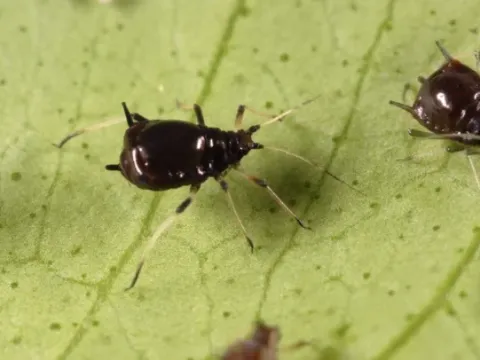
Toxoptera is a genus of aphids within the family Aphididae. These small, sap-sucking insects are commonly known for their dark brown or black appearance, distinguishing them from many other common aphid species found on agricultural crops.
What the section contains
Toxoptera
The genus includes significant pests such as the brown citrus aphid (Toxoptera citricida). These aphids reproduce through parthenogenesis, allowing a single individual to rapidly establish a colony under favorable environmental conditions.
Morphologically, they possess short, dark siphunculi and characteristic wing venation in winged forms. These winged adults serve as the primary means of dispersal within and between orchards, ensuring the rapid spread of infestations.
Development is temperature-dependent, with populations peaking during warm, humid spring and autumn months. The presence of young, succulent foliage is essential for the colonization and successful reproduction of these aphids.
Beyond direct feeding, Toxoptera is highly significant due to its role as an efficient vector for the Citrus Tristeza Virus (CTV), a devastating disease that can kill susceptible citrus trees worldwide.
The primary hosts for Toxoptera are members of the Rutaceae family, particularly citrus trees. They aggressively target young terminal shoots, leaf undersides, and flower buds to feed on phloem sap.
Feeding activity causes severe curling and twisting of young leaves, which often leads to stunted shoot growth. This physical damage weakens the plant, reducing its overall photosynthetic capacity and vigor.
Like other aphids, they excrete honeydew, which coats the foliage and fruit. This substrate promotes the growth of sooty mold, a dark fungal layer that further restricts photosynthesis and degrades the aesthetic quality of the harvest.
Heavy infestations frequently cause premature fruit drop and flower abortion, leading to significant yield losses. In commercial orchards, this results in direct economic impact through lower productivity and poor fruit sizing.
The most severe damage is systemic in nature; because these aphids transmit serious viral pathogens, a single infestation can lead to the long-term decline and eventual death of the entire tree or plantation.
Effective management of Toxoptera requires an integrated approach. Cultural practices such as pruning to manage succulent growth flushes and maintaining tree health are the first lines of defense against aphid buildup.
Biological control is highly effective in stable ecosystems. Populations of natural predators like ladybird beetles, lacewings, and parasitic wasps often keep aphid numbers below economic thresholds if pesticide use is minimized.
When chemical intervention is necessary, systemic insecticides are preferred. These compounds are absorbed into the plant's vascular system, providing lasting protection against aphids feeding on the undersides of leaves.
Monitoring programs are essential for success. Growers should inspect terminal growth regularly to detect early infestations before the insects spread throughout the canopy and before viral transmission risk peaks.
- Regular inspection of new growth flushes for aphid colonies.
- Application of systemic insecticides like neonicotinoids where permitted.
- Management of ant populations that protect aphids from natural predators.
- Use of horticultural oils to suppress aphid populations and clean foliage.