
Rusidrina
Rusidrina
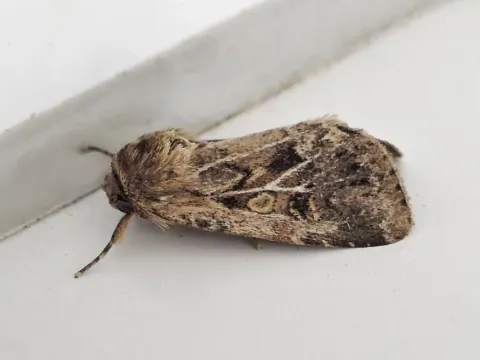
Rusidrina is a genus belonging to the Noctuidae family, order Lepidoptera. These moths are characterized by nocturnal behavior and cryptic coloration, which provides effective camouflage against bark or soil, making them difficult to detect during daylight hours.
What the section contains
Rusidrina
Adult moths typically have a wingspan of 35–40 mm, featuring mottled gray and brown patterns that blend into their surroundings. The larvae are cylindrical and possess a variable color ranging from light green to brown, which often adapts to the plant host's appearance.
The life cycle encompasses four stages: egg, larva (caterpillar), pupa, and adult. Females lay eggs on the undersides of leaves or near the base of plants in sheltered areas, ensuring optimal conditions for the emerging larvae to begin feeding immediately.
The pupal stage occurs in the soil, usually at a depth of 10–15 cm, providing protection against environmental stressors and predators during the winter months. Adult emergence is triggered by warming temperatures, marking the beginning of the seasonal cycle.
Effective monitoring involves the use of pheromone and light traps. These tools allow agronomists to track population dynamics and determine the precise timing for intervention before the larvae reach stages that are more difficult to control with standard insecticides.
Rusidrina acts as a polyphagous pest, affecting a wide variety of vegetable and grain crops. The damage is primarily caused by larvae, which exhibit secretive feeding habits, often damaging plants during the night while remaining hidden under debris during the day.
Younger larvae feed on the leaf epidermis, causing characteristic windowing patterns on the foliage. As they grow into later instars, they become increasingly voracious, consuming entire leaves and leaving only the midribs, which leads to stunted growth and reduced photosynthesis.
Damage to generative organs, such as flower buds and fruit set, is particularly devastating for commercial yields. These injuries not only reduce the quantity of the harvest but also lower the quality, as the compromised tissues become susceptible to fungal infections.
During dry spells, larvae may move toward the roots, feeding on the root collar or underground parts of the plant. This behavior can lead to sudden wilting and the loss of entire plants, significantly reducing the final stand density in affected fields.
The economic impact is intensified by the pest's ability to migrate across fields. Without intervention, populations can explode in subsequent generations, leading to substantial crop losses if the initial infestation is ignored during the early stages of development.
Cultural practices are the first line of defense, with deep fall plowing being the most critical measure. This process physically disrupts the soil, killing pupae by exposing them to desiccation, freezing temperatures, or predation by birds and beneficial insects.
Weed management is essential, as many weed species serve as alternate hosts during the early stages of the season. Keeping fields and surrounding areas clean reduces the number of sites available for oviposition and early larval development.
Biological control using formulations based on Bacillus thuringiensis is highly effective against early-instar caterpillars. These products are environmentally friendly and preserve the population of natural enemies, which can contribute to the long-term suppression of the pest.
Chemical control should be implemented based on scouting data, focusing on applications during the evening hours when larvae are actively feeding. It is crucial to rotate insecticide classes to prevent the development of resistance within the local population.
Constant monitoring using pheromone-baited traps allows for precise threshold-based spraying. By targeting the pest at its most vulnerable stages, farmers can maximize the efficacy of control measures while minimizing the number of chemical applications throughout the season.