
Red-headed black fly
Boophthora erythrocephala
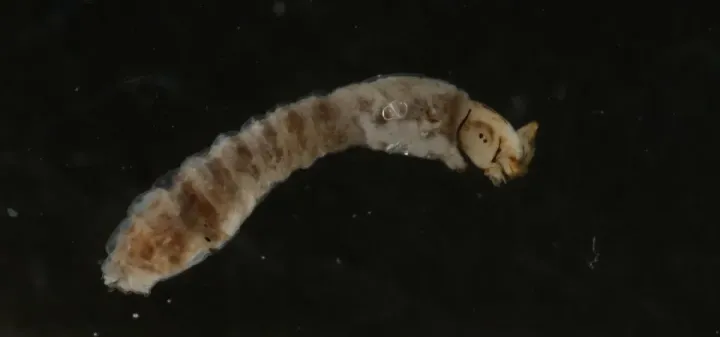
Description
How to identify
The red-headed black fly is a species of the Simuliidae family, commonly known as black flies, which are notorious blood-sucking insects in rural areas.
The adult insect is small, typically ranging from 2 to 4 millimeters in length, with a dark thorax and a distinctive reddish-brown abdomen.
These flies possess a specialized biting-sucking mouthpart, enabling the females to pierce the skin of their hosts to feed on blood.
Their larvae are aquatic and found exclusively in running waters, where they attach themselves to stones, vegetation, or other submerged objects.
The adult flies are strong fliers and can travel significant distances from their breeding grounds in search of hosts for a blood meal.
What it damages
The red-headed black fly is a major nuisance and health hazard for livestock, as mass attacks cause severe distress and physiological damage to animals.
Bites from these flies inject toxic saliva into the host, which can lead to a condition known as simuliatoxicosis, characterized by systemic poisoning.
Animals suffering from repeated attacks exhibit reduced appetite, weight loss, and a significant drop in milk production, impacting farm profitability.
Severe cases of infestation can lead to inflammatory skin reactions, painful swelling, and in extreme scenarios, the death of young or vulnerable livestock.
The constant annoyance prevents grazing animals from eating properly, further weakening their immune systems and overall health status.
When it appears
The seasonal activity of this species is highly dependent on spring temperatures and the water flow levels of the rivers where they breed.
Adults typically emerge in late spring, with peak population densities usually observed during the summer months when conditions are optimal.
These insects are most active during the calmest parts of the day, specifically in the early morning and late evening, avoiding extreme heat.
Multiple generations can be produced within a single season, allowing the population to recover quickly if environmental conditions remain stable.
In hot and dry years, breeding sites may dry up, potentially reducing the overall number of flies, while wet years can lead to massive outbreaks.
Signs of infestation
Observable signs of an attack include extreme restlessness among cattle, such as tail flicking, stomping, and attempting to hide in shelters.
Physical examinations reveal numerous small, red puncture wounds on the skin, often surrounded by localized inflammation, swelling, and lesions.
Affected livestock often breathe heavily, show signs of pain, and have an elevated body temperature due to the reaction to the fly's toxins.
A sudden decline in milk output from dairy cows, combined with grazing avoidance, serves as a strong indicator of an active fly problem.
The visible presence of swarms near water sources and low-lying pastures is a primary warning sign for livestock owners to take immediate precautions.
Control measures
Effective control strategies require a combination of chemical protection for animals and proper management of grazing schedules during peak hours.
Topical application of approved insecticides and repellents is the standard method for protecting livestock from fly bites throughout the season.
Grazing management involves avoiding pastures near fast-flowing rivers during the peak emergence periods of the red-headed black fly.
Housing livestock in insect-proof barns or using smoke-producing devices can provide relief during periods of intense fly activity.
- Application of pyrethroid-based insecticides.
- Usage of veterinary repellents.
- Night-time grazing rotation.
- Management of aquatic breeding habitats.
- Screening of livestock housing facilities.
Taxonomy
- Latin name
- Boophthora erythrocephala
- Order
- Diptera (flies)
- Family
- Simuliidae
- EPPO code
- BOOHER
Discussion
No discussions yet — be the first.