
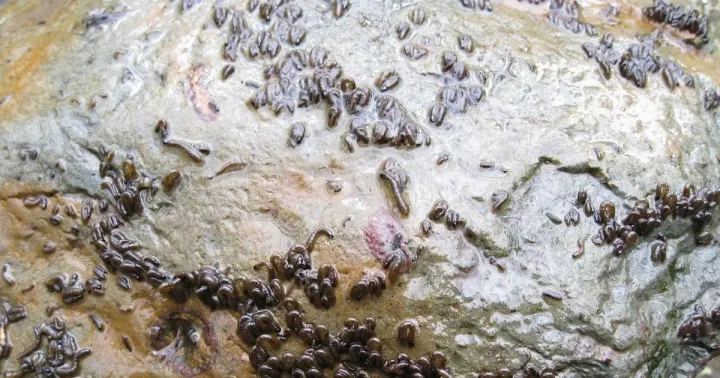
Black fly of the genus Prosimulium
Prosimulium
Description
How to identify
Black flies of the genus Prosimulium belong to the family Simuliidae in the order Diptera. These are small, blood-feeding insects typically measuring 3–5 mm in length.
Adults are characterized by a stocky body shape and dark or grayish coloration, which helps them blend into their surroundings when swarming.
The wings are clear with a specific vein pattern characteristic of the family. Females possess a specialized mouthpart designed to pierce skin and feed on host blood.
The larval stage is strictly aquatic, developing only in flowing water bodies like rivers and streams with high oxygen levels and strong currents.
Pupae develop within protective cocoons that are securely attached to submerged rocks or aquatic vegetation in fast-flowing areas.
What it damages
While Prosimulium black flies are not direct crop pests, they represent a significant threat to the agricultural livestock industry.
Frequent attacks on cattle, horses, and sheep cause severe animal stress, leading to decreased milk production, weight loss, and general weakness.
The saliva injected during a bite contains toxins that trigger intense itching, allergic reactions, and a condition known as simulidotoxicosis.
Bite sites often develop into painful swellings and open sores, which are highly susceptible to secondary bacterial infections.
During periods of extreme infestation, young livestock may perish due to excessive blood loss, toxic shock, and relentless physical agitation.
When it appears
The seasonal activity of Prosimulium is closely linked to water flow patterns and regional temperature conditions during spring and summer.
The primary emergence of adults occurs during the spring, following the thawing of winter ice and the subsequent warming of river waters.
Their life cycle is synchronized with high-water events, providing the necessary environmental conditions for larvae to thrive in fast currents.
Adult activity peaks during the early morning and late evening hours, particularly on calm days with minimal wind speed.
During hot and sunny afternoons, black flies typically remain inactive, sheltering in dense vegetation or shaded, humid areas.
Signs of infestation
A primary indicator of infestation is highly agitated behavior in livestock: animals may tail-flick, rub against objects, or attempt to flee.
Close inspection reveals numerous bite marks, visible as small swellings, welts, and dried blood droplets on exposed skin surfaces.
The presence of dense, buzzing swarms around pastures or livestock facilities is a strong warning of a major pest emergence.
Reduced appetite and refusal to graze are common behavioral responses observed in herds under heavy pressure from biting flies.
Severely affected animals may show signs of fever, lethargy, and refusal to drink due to the painful irritation of the skin and mucous membranes.
Control measures
Managing Prosimulium black flies requires a comprehensive strategy combining personal animal protection and environmental management.
Applying topical insecticides and repellents to livestock is the most immediate and effective way to protect animals from bites.
Adjusting grazing schedules to avoid peak activity hours and utilizing netted or wind-protected enclosures can significantly minimize damage.
Biological control programs, using Bacillus thuringiensis israelensis treatments in rivers, effectively target larvae without harming the environment.
Environmental maintenance, such as clearing riverbeds of excessive vegetation and debris, destroys the habitats required for larval development.
Taxonomy
- Latin name
- Prosimulium
- Order
- Diptera (flies)
- Family
- Simuliidae
- EPPO code
- PRSMSP
Discussion
No discussions yet — be the first.