
Melieria omissa
Melieria omissa
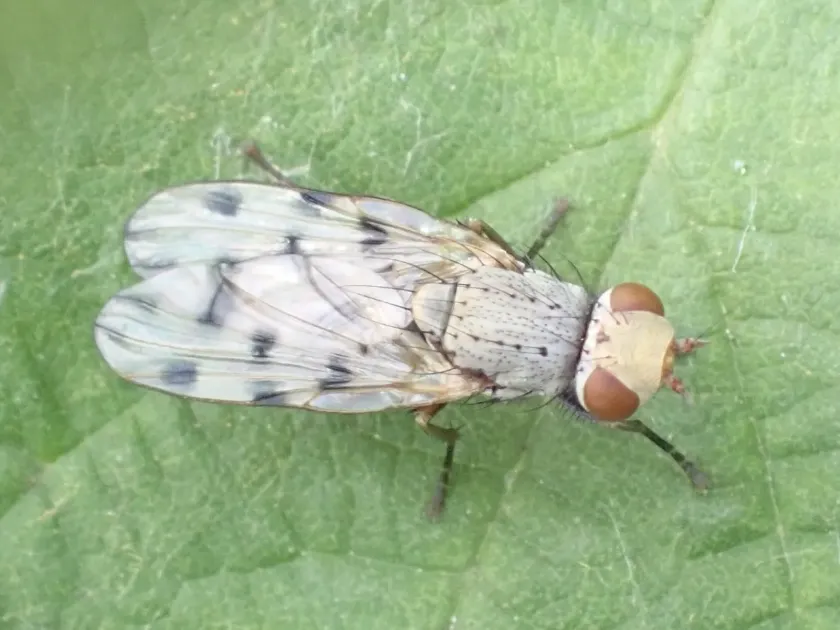
Description
How to identify
Melieria omissa is a species of fly belonging to the family Ulidiidae, known as the picture-winged flies. It is recognized as a pest affecting various species of the Allium genus, and its presence can significantly impact the health and yield of onion and leek crops.
Adult flies are typically small, measuring approximately 5–7 mm in length. Their wings display characteristic dark, intricate patterns that are essential for accurate field identification. They are most active during warm periods of the growing season when environmental conditions favor mating and egg-laying.
The larval stage is the primary phytophagous phase. The larvae are legless and possess a cylindrical body that tapers towards the head. Their color is usually creamy or yellowish, which provides natural camouflage within the plant tissues they infest during their growth cycle.
The life cycle of Melieria omissa is closely synchronized with the development of Allium plants. Pupation usually occurs in the soil, where the insect remains dormant during the winter, emerging as an adult in the spring to begin a new generation.
Monitoring for this pest is best achieved through the use of yellow sticky traps placed within the crop rows. Entomologists and farmers rely on these traps to detect the initial arrival of the flies and to time control measures effectively before widespread damage occurs.
What it damages
This pest primarily attacks bulb and bunching onions, as well as leeks. The larvae bore into the leaves or the neck of the bulb, creating tunnels that disrupt the plant's vascular system and nutrient flow, leading to stunted development and eventual wilting.
When the larvae feed on the internal tissues, they cause structural damage that weakens the plant's defense mechanisms. This often results in the foliage turning yellow prematurely, which is a classic symptom of infestation and a major indicator of crop stress.
Secondary infections are a major concern associated with Melieria omissa. The physical entry points created by the larvae allow bacteria and fungi to infiltrate the plant, frequently leading to soft rot that can destroy the entire bulb, even if the initial larval damage was localized.
In cases of high infestation, particularly in younger onion crops, the destruction of the central growing point leads to the collapse and death of the plant. This causes significant thinning of the field, reducing the final harvest volume and quality.
The damage is often distributed unevenly across a field. Observations show that infestations often begin at the edges of a plot, near windbreaks or weed-infested borders, before spreading throughout the cultivated area as the fly population increases.
Signs of infestation
The first external sign of infestation is the yellowing of leaf tips in onions and leeks. Unlike nutritional deficiencies, this symptom is often accompanied by a distinct smell of decay if the internal rot has already started to develop due to secondary infection.
Careful inspection of the onion neck reveals the presence of galleries or holes bored into the plant tissues. If the plant is pulled up, the bulb may show signs of internal tissue degradation, with a soft, watery texture and the presence of larvae within the layers.
Wilting of the entire plant, despite adequate irrigation, is a strong indicator of root or neck damage. As the larvae consume the plant, they prevent water and nutrients from reaching the upper leaves, causing the plant to lose its turgor and eventually collapse.
The presence of adults is another significant sign. Observing small flies with spotted wings resting on the foliage during the early morning hours provides clear evidence of an active pest population that requires immediate attention.
Distorted and deformed growth is commonly observed in plants that have survived an early-stage attack. Such plants rarely recover to reach marketable size, remaining smaller than neighboring healthy plants throughout the entire growing season.
Control measures
Integrated Pest Management (IPM) is the most effective approach to control Melieria omissa. Cultural practices, such as proper crop rotation and deep fall plowing, are critical to disrupt the life cycle of the pest by destroying the pupae hidden in the soil.
Chemical control measures should be applied based on monitoring data rather than a fixed calendar. Targeted insecticide applications during the period of adult emergence are highly effective in reducing the next generation of larvae.
Recommended management strategies include:
- Application of insecticides during the adult flight period to prevent egg-laying.
- Thorough removal and destruction of crop residues post-harvest to eliminate overwintering sites.
- Use of physical barriers or fine-mesh nets for high-value early-season crops.
Biological control, focusing on the preservation of natural predators and parasitoids, plays a supportive role in keeping the population below the economic damage threshold. Maintaining a healthy ecosystem around the field encourages these beneficial insects.
Field sanitation is a non-negotiable aspect of pest management. Keeping the perimeter clear of weeds, particularly those in the Allium family or similar hosts, limits the availability of alternative food sources and breeding sites for the flies throughout the year.
Taxonomy
- Latin name
- Melieria omissa
- Order
- Diptera (flies)
- Family
- Otitidae
- EPPO code
- MLIEOM
Discussion
No discussions yet — be the first.