
Chaetopsis
Chaetopsis
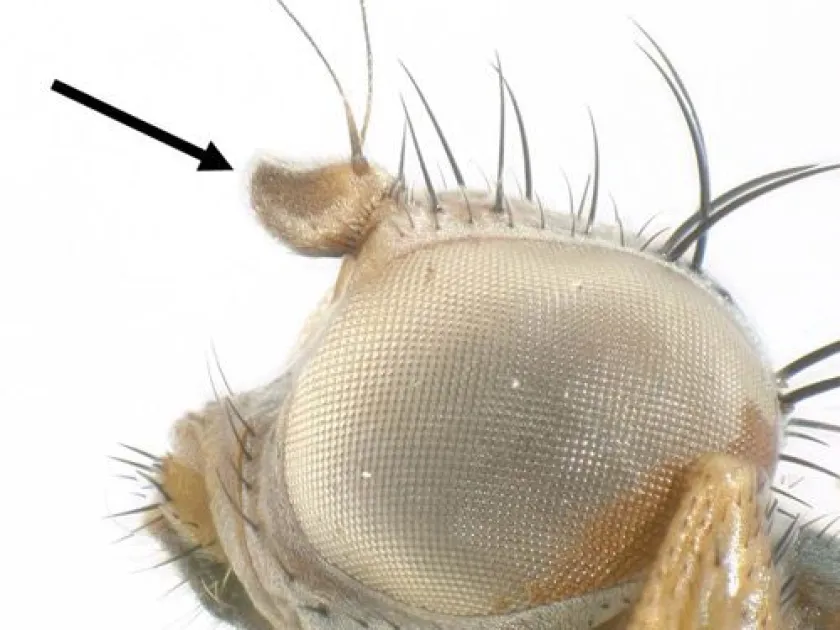
Description
How to identify
Chaetopsis is a genus of flies belonging to the Ulidiidae family, often referred to as picture-winged flies. These insects are known for their distinct appearance, which often includes a metallic sheen on the body.
Adult flies typically measure between 3 and 6 millimeters in length. Their heads are well-defined with relatively large, complex eyes, which often exhibit a multi-colored or iridescent reflection in sunlight.
The larvae are small, legless, and maggot-like in appearance. They are typically whitish or yellowish, adapted for living inside plant tissues, where they feed and eventually form dark, firm puparia.
Identification at the species level usually requires detailed examination of morphological structures, particularly the genitalia of males, as the external appearance of various species is often very similar.
In the field, these flies are often attracted to decomposing plant matter, but as agricultural pests, they actively target healthy or stressed stems of cereal crops and vegetable plants.
What it damages
Chaetopsis species are significant agricultural pests that primarily target cereal crops such as corn, wheat, and barley, as well as various vegetable crops including onions.
The larvae bore into the stems of host plants, feeding on the inner tissues. This boring activity disrupts the plant's vascular system, preventing the movement of water and essential nutrients.
For young corn, damage to the growing point is particularly devastating, often leading to stunted growth, leaf deformation, and even total plant mortality if the infestation is severe.
In wheat and other cereals, larvae may feed on the developing heads, which results in shriveled or empty grains, significantly reducing the total yield and quality of the harvest.
Secondary damage is common, as the entry points created by the larvae allow pathogenic bacteria and fungi to invade the plant tissue, causing rot and accelerating plant decline.
When it appears
The life cycle of Chaetopsis is strongly influenced by temperature and moisture availability. Adults typically emerge in early spring once soil and air temperatures remain consistently favorable.
The first generation of the season usually coincides with the early vegetative stages of cereal crops, providing larvae with soft, nutrient-rich tissues to support their rapid development.
Depending on environmental conditions, a single generation can be completed within three to five weeks, allowing for multiple overlapping generations throughout the growing season.
Peak populations and maximum activity are generally observed during the warmer summer months, especially in areas with moderate humidity that supports the survival of both larvae and adults.
The pest typically survives the winter as larvae or pupae tucked within protected areas such as crop residues, stubble, or the stems of wild perennial grasses.
Signs of infestation
One of the earliest signs of infestation is the yellowing and wilting of the central leaf in young seedlings, which is a classic symptom of stem-boring activity.
Close inspection of affected plants often reveals small holes on the stems or at the base of the leaves, frequently accompanied by localized browning or blackening of the tissue.
In onion crops, the infestation manifests as the yellowing and eventual collapse of the green shoots, often followed by a foul odor due to the onset of secondary soft rot.
Visual observation of the field may show irregular patches of stunted or dying plants, suggesting that the infestation is concentrated in specific parts of the field.
Upon splitting the stems of suspected plants, one can often find larvae or their puparia, as well as frass, which is an unmistakable sign of active feeding.
Control measures
Integrated pest management strategies are crucial, starting with proper crop rotation, which breaks the life cycle of the pest by removing host plants from the field for at least one season.
Sanitation practices, including the deep incorporation of crop residues into the soil, are essential to destroy the overwintering sites where puparia are present.
Monitoring using yellow sticky traps is a recommended method for tracking adult fly activity, allowing farmers to time chemical applications before egg-laying begins.
Chemical control involving systemic insecticides as seed treatments or early-stage foliar sprays can provide effective protection during the most vulnerable periods of plant development.
- Removal of grassy weeds to minimize alternative hosts.
- Use of resistant crop varieties where available.
- Application of biological agents like entomopathogenic fungi.
Taxonomy
- Latin name
- Chaetopsis
- Order
- Diptera (flies)
- Family
- Otitidae
- EPPO code
- CHTISP
Discussion
No discussions yet — be the first.