
Shore fly
Psilopa
Description
How to identify
The shore fly belongs to the family Ephydridae, order Diptera. These are small insects, often dark or metallic in color, which makes them difficult to notice on moist soil or plant leaves.
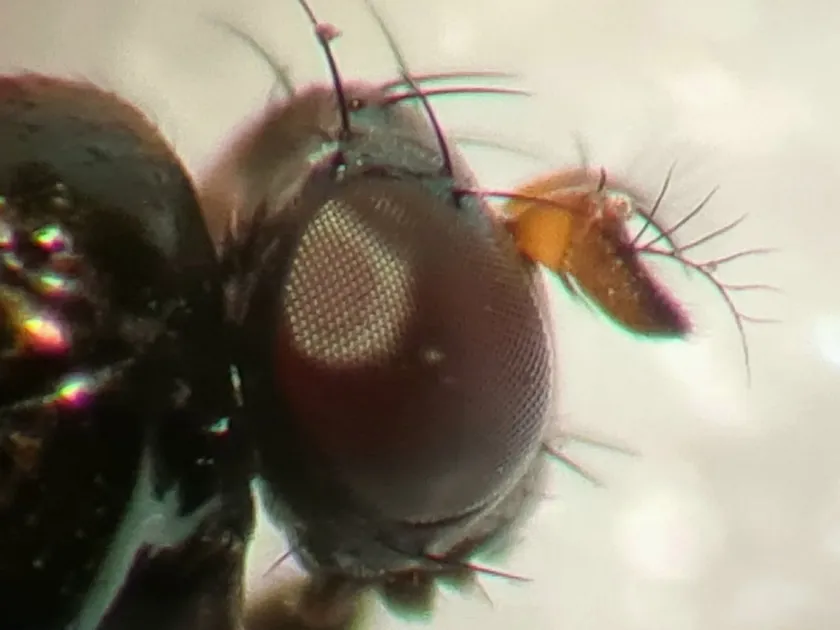
Adults have a specialized mouthpart structure adapted to feeding on liquid food sources commonly found on the surface of substrates. They have large compound eyes, which help them navigate and locate suitable sites for egg-laying.
Larvae typically inhabit aquatic or semi-aquatic environments or very moist soil. They have a maggot-like body without a distinct head capsule, a characteristic feature for many larvae within the Ephydridae family.
The development follows a complete metamorphosis: egg, larva, pupa, and adult. The pupal stage often occurs in the soil or inside plant tissues where the larva completed its feeding.
Identifying the species in field conditions is challenging due to the small size of the adults. Agronomists recommend using traps or microscopic analysis of damaged plant fragments for accurate identification.
What it damages
Shore flies cause significant damage to vegetable crops, especially in greenhouse conditions where a stable microclimate favors their rapid reproduction. Young seedlings and transplants are particularly vulnerable.
Adult flies can damage the leaf epidermis by feeding on cell sap, resulting in small light-colored spots or "stippling." This weakens the plant's immunity and can act as entry points for secondary infections.
Larvae of certain species may mine leaf tissues or damage the root zone. By feeding on stem tissues, they disrupt nutrient transport, causing stunted growth and general decline of the crop.
Damaged young plants often lose commercial value and may perish if the pest population density is high. Weakened plants are also more susceptible to fungal pathogens that colonize necrotic areas.
Besides vegetables, this pest can inhabit various weeds, which serve as reservoirs to maintain the population between growing seasons, allowing them to move onto crop plantings.
Signs of infestation
The first visual sign of infestation is the appearance of specific white spots on leaf blades, which may merge into larger patches over time. Leaves begin to yellow and lose turgor.
Inspecting the root collar or stem often reveals tunnels created by larvae. Tissues in affected areas soften and darken, frequently accompanied by rotting processes.
Stunted growth of seedlings without obvious causes is one of the hidden indicators of larval activity within the soil substrate. In greenhouses, adult flies can often be seen moving near the base of stems.
The presence of larval excrement inside leaf mines confirms pest activity. Upon tearing the leaf epidermis, small larvae or their pupal cases can be discovered.
- Yellowing of leaves at the base of the plant.
- Presence of narrow, winding leaf mines.
- Wilting of seedlings during morning hours.
- Clusters of small flies near irrigation sites.
Control measures
The primary control method is managing soil moisture. Shore flies prefer waterlogged soils, so optimizing irrigation and preventing water stagnation significantly reduces the risk of infestation.
Important cultural practices include disinfecting the soil substrate before planting. Steaming or using biological soil treatments helps eliminate larvae and eggs present in the growing medium.
In commercial greenhouses, using yellow sticky traps is an effective way to monitor adult population levels and reduce the number of breeding adults.
If necessary, systemic or contact insecticides approved for use on vegetable crops can be applied. Treatments should be timed during peak adult activity periods.
Biological control, such as the use of natural predators or fungi-based antagonists, shows high effectiveness in integrated pest management programs.
Taxonomy
- Latin name
- Psilopa
- Order
- Diptera (flies)
- Family
- Ephydridae
- EPPO code
- PSIOSP
Discussion
No discussions yet — be the first.