
Orthaga
Orthaga
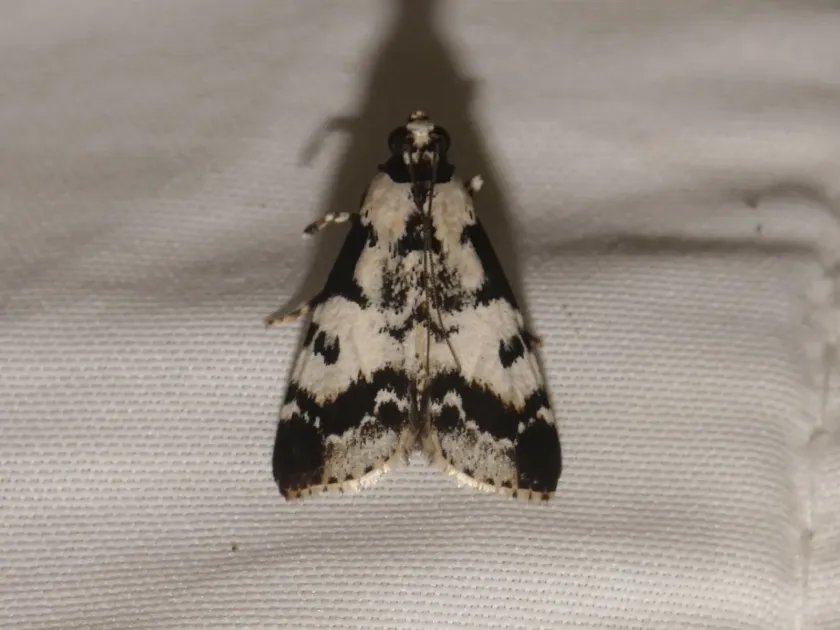
Description
How to identify
The genus Orthaga belongs to the Pyralidae family. This group of Lepidoptera includes insects commonly referred to as snout moths, known for their specific wing structure and mouthparts.
Adult moths typically display grey-brown coloration, which provides effective camouflage against tree bark. The larvae are characterized by their social behavior and often possess a noticeable covering of setae (hairs).
The systematic position is strictly defined within the order Lepidoptera. The insect undergoes a complete metamorphosis, including egg, larval, pupal, and adult stages.
Identification of specific species within the genus is complex and usually requires dissection of genitalia, as external patterns are often shared among related species.
Natural populations are kept in check by various parasitoids and entomopathogenic fungi, but agricultural disturbances can lead to significant population surges.
What it damages
Orthaga species are recognized as pests affecting various woody trees and shrubs. They frequently attack hosts in the Anacardiaceae and Fagaceae families, among others.
Larvae consume leaf tissue, often skeletonizing the leaves or devouring them entirely, leaving only the primary veins. This activity causes severe physiological stress to the host plant.
In cases of high infestation density, complete defoliation of the canopy can occur, which is particularly destructive for young saplings and nursery stock.
Reduced photosynthetic capacity leads to a decline in nutrient storage, negatively impacting the tree's winter hardiness and its ability to produce new growth in the following season.
Furthermore, damaged tissues serve as entry points for secondary pathogens, including various fungal infections that can compromise the cambium layer of the host tree.
Signs of infestation
The presence of silken nests within the canopy, where groups of larvae reside, is the most obvious sign of an Orthaga infestation.
Accumulation of larval frass (droppings) on the ground beneath the tree canopy is a clear indicator that feeding activity is taking place in the higher branches.
Distorted and webbed-together leaves are diagnostic characteristics that differentiate Orthaga activity from other defoliating insects in the landscape.
During the pupation stage, larvae move towards the trunk or leaf litter, constructing protective cocoons reinforced with silk, waste, and plant fragments.
Visual observation in the early morning may reveal active larvae suspended by silk threads, which drop when the branches are disturbed by wind or vibration.
Control measures
Physical removal and destruction of the silken nests during early larval stages is the primary control measure for gardens and residential landscapes.
The use of biological insecticides containing Bacillus thuringiensis provides effective control of younger larvae while preserving the population of beneficial insects.
In commercial orchards or large nurseries, application of systemic contact-stomach insecticides may be necessary if economic injury levels are surpassed.
Cultivation practices that improve overall tree health, such as proper irrigation and fertilization, significantly increase the plant's natural resistance to pest attack.
- Use of pheromone traps for population monitoring.
- Enhancement of natural predator (parasitoid) habitats.
- Sanitary pruning of infested branches.
Taxonomy
- Latin name
- Orthaga
- Order
- Lepidoptera (butterflies)
- Family
- Pyralidae
- EPPO code
- ORTASP
Discussion
No discussions yet — be the first.