
Meyriccia latro
Meyriccia latro
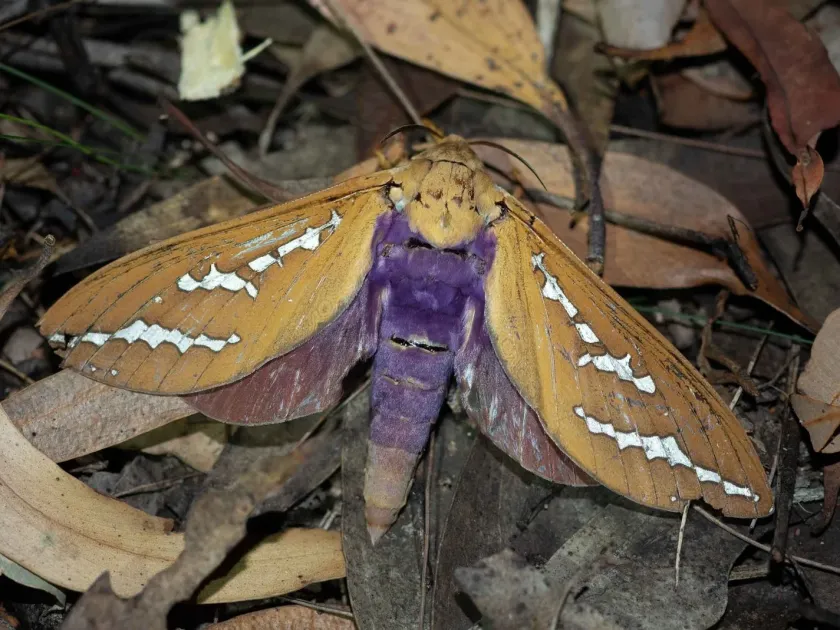
Description
How to identify
Meyriccia latro is a member of the order Lepidoptera, specifically belonging to the family Oecophoridae. This insect displays morphological traits typical of this moth family, characterized by specific wing patterns and body structures.
Adult moths generally have cryptic coloration, providing camouflage against bark or dry plant debris. Larvae undergo several developmental stages, increasing in size and showing variations in pigmentation throughout their growth.
Positive identification in the field is often challenging due to the insect's cryptic behavior. Specialists typically use detailed morphological analysis of wings and reproductive organs for accurate taxonomic classification.
Monitoring programs frequently employ light traps or pheromone attractants to track seasonal population dynamics. These methods are essential for agricultural professionals to determine when pest pressure increases.
Understanding the basic biology of this species is critical for developing effective management plans. Entomology studies have highlighted its presence in various habitats, particularly in forest ecosystems and orchards.
What it damages
The primary damage is caused by the larval stage, which feeds on decaying organic matter but can shift to live tissue under high population densities. This behavior poses a threat to both ornamental nurseries and orchards.
Larvae feed on cambium and bark, disrupting the sap flow in branches and potentially leading to localized necrosis. Such injuries weaken the tree, making it susceptible to secondary pathogens and fungal diseases.
While the insect can play a role in natural wood decomposition in forest settings, it is considered an unwelcome guest in intensive agricultural environments. Weakened or sunburned trees are the most susceptible to infestation.
The severity of damage is strongly correlated with the tree's overall physiological state. Healthy, vigorous plants are better equipped to withstand minor infestations compared to stressed trees.
Early identification of feeding sites is vital to prevent the spread of the population across the orchard. Consistent scouting allows for the mitigation of long-term impacts on tree health.
When it appears
The active flight period of adult Meyriccia latro usually occurs during the warm months, when environmental conditions are optimal for mating and oviposition. Temperature is the key factor regulating the duration of developmental stages.
Overwintering typically happens at the larval or pupal stage within sheltered locations such as deep bark crevices or leaf litter. Activity resumes in the spring as temperatures begin to rise.
Multiple generations may occur throughout a single season, complicating control efforts as different life stages might be present simultaneously. Humidity levels play a significant role in larval survival during the summer.
As autumn approaches, the insects seek protected hibernation sites to endure the winter months. Knowing these seasonal patterns is essential for planning inspections and preventive treatments.
Strategic monitoring at the beginning of the season is the best defense against mass outbreaks. Timely interventions reduce the need for extensive chemical applications later on.
Signs of infestation
The most visible sign of infestation is the presence of frass (excrement) around bark cracks or at the base of the trunk. Entry holes serve as clear indicators that larvae have penetrated the bark tissues.
Fine silken threads often found near damage sites are evidence of larval feeding activity and protection. Inspection of the trunk surface may reveal dark, sunken spots where necrosis has started to form.
Reduced vigor, poor shoot growth, and premature leaf drop in specific branches are common symptoms of internal damage. Visual inspection of canopy health is a primary diagnostic method.
- Accumulation of frass around trunk crevices.
- Bark lesions and darkened tissue.
- Wilting or slow development of young shoots.
Conducting regular trunk and branch inspections allows for the early detection of the pest before significant damage occurs. Vigilance is the most effective approach for maintaining plant longevity.
Control measures
Control programs start with cultural practices that improve tree resistance. Proper sanitation, including the removal of dead bark and infected plant parts, is crucial for reducing overwintering sites.
Chemical control involving systemic or contact insecticides is effective when applied during periods of peak larval emergence. It is essential to follow local regulations and usage guidelines for specific crops.
Biological control, including the use of entomopathogenic fungi or predators, is becoming an integral part of sustainable pest management. These options reduce the reliance on synthetic chemicals.
Maintaining optimal tree health through balanced fertilization and irrigation ensures that plants are less attractive to opportunistic pests. Robust trees possess natural defenses that repel minor attacks.
Integrated Pest Management (IPM) strategies offer the best long-term solution. By combining preventive cultural measures with targeted interventions, growers can keep Meyriccia latro populations under control.
Taxonomy
- Latin name
- Meyriccia latro
- Order
- Lepidoptera (butterflies)
- Family
- Pyralidae
- EPPO code
- MEYRLA
Discussion
No discussions yet — be the first.