
Meyriccia
Meyriccia
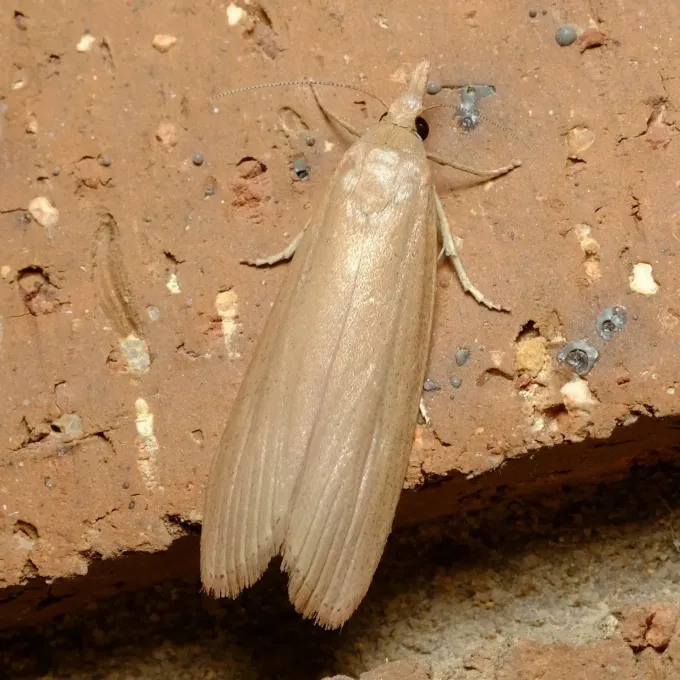
Description
How to identify
Meyriccia is a genus of insects belonging to the order Lepidoptera, specifically the family Oecophoridae, commonly known as concealer moths. Adults have specific wing patterns and coloration that provide excellent camouflage on tree bark or foliage surfaces.
The life cycle of this insect involves complete metamorphosis, consisting of the egg, larva, pupa, and imago stages. Adult identification is often difficult due to their small size and nocturnal nature, so experts focus on larval feeding patterns and characteristic traces left on host plants.
The larvae possess well-developed chewing mouthparts that enable them to consume dense plant tissues. Their coloration often shifts during developmental stages, acting as a defensive mechanism to avoid predation by birds or parasitic insects.
For accurate field diagnostics, pheromone traps are recommended to detect the onset of flight activity. This is essential for determining the most effective window for applying protective measures before significant damage occurs.
In natural ecosystems, populations are kept in check by parasitoid wasps and predatory bugs. However, in agricultural environments, the lack of natural predators often leads to outbreaks that require human intervention to maintain crop health.
What it damages
Meyriccia primarily affects various agricultural and ornamental crops. The larvae cause the most significant damage by skeletonizing leaves or boring into stems, which disrupts the plant's vascular system and nutrient transport.
Damage to the plant's growing tips often results in severe deformation and stunted growth. Infected leaves typically turn yellow and wither, leading to premature defoliation and a decline in the plant's overall vitality.
In cases of high infestation, the pest can cause significant yield losses, particularly in orchards and nurseries. Furthermore, the wounds created by the larvae provide entry points for secondary pathogens like fungi and bacteria.
Quality reduction is another critical issue. For fruit-bearing plants, the aesthetic damage to foliage and potential fruit contamination make the produce unmarketable. Preventing such losses requires diligent monitoring throughout the growing season.
The economic impact is especially high in intensive monoculture systems where the lack of biodiversity allows the pest population to expand rapidly. Monitoring for larval presence in early spring is crucial for effective risk mitigation.
When it appears
The activity of Meyriccia is highly dependent on climatic variables, primarily ambient temperature and moisture levels. Adult flight usually commences during late spring or early summer as temperatures stabilize.
The first generation typically emerges in sync with the plant's active growth phase. In this period, larvae are highly voracious, consuming large amounts of foliage to support their rapid development and eventual pupation.
Depending on local climate conditions, several generations may develop within a single season. Warmer temperatures generally lead to shorter life cycles, which can cause population spikes if left uncontrolled.
Overwintering occurs as larvae or pupae, typically tucked away in bark crevices, dry leaf litter, or the upper layers of the soil. These sites offer protection against harsh environmental conditions until the following spring.
End-of-season scouting is vital to estimate the overwintering population density. This information helps landowners plan control strategies for the upcoming year, potentially reducing the need for intensive chemical applications.
Signs of infestation
The earliest sign of a Meyriccia infestation is the presence of frass (excrement) on the leaves and thin, web-like structures in areas where larvae are feeding. The leaves often appear perforated or ragged.
Larvae frequently tie leaves together using silk webbing to create protected feeding shelters. These nests are distinct and serve as a primary indicator for field scouts looking for signs of infestation.
Boreholes or small tunnels in young shoots are indicative of larval activity. This often coincides with sap leakage, which can weaken the branches and make them more susceptible to drought or secondary pest attacks.
Observing adult moths near light sources in the evenings during the flight season is a clear sign that egg-laying is occurring. This is the optimal time to deploy monitoring traps to track population density.
Increased bird activity in the garden can sometimes act as a secondary indicator. Birds frequently feed on the exposed larvae, but their control capacity is rarely enough to eliminate a widespread pest outbreak entirely.
Control measures
Effective management of Meyriccia requires an integrated pest management (IPM) approach. This involves combining cultural practices, biological controls, and chemical interventions to maintain population levels below the economic threshold.
Sanitation practices, such as pruning and destroying infested branches and clearing plant debris, are essential for reducing overwintering sites. Soil cultivation around trees can also disrupt the pupal stage.
Biological control methods, including the use of Bacillus thuringiensis, are highly effective against younger larvae. These biological agents are environmentally friendly and have minimal impact on beneficial insects.
Chemical applications should be used selectively when monitoring indicates that the economic damage threshold has been exceeded. Always alternate between chemical classes to prevent the development of pesticide resistance.
- Use pheromone traps for routine monitoring.
- Implement proper sanitation by removing infested plant parts.
- Apply targeted insecticides only when larval presence is confirmed.
Taxonomy
- Latin name
- Meyriccia
- Order
- Lepidoptera (butterflies)
- Family
- Pyralidae
- EPPO code
- MEYRSP
Discussion
No discussions yet — be the first.