
Macalla
Macalla
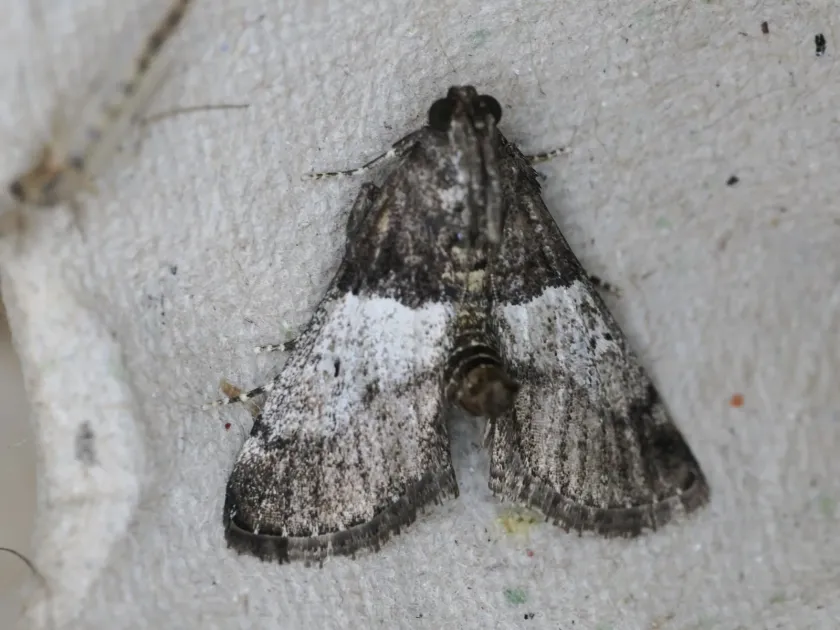
Description
How to identify
The genus Macalla belongs to the family Pyralidae, specifically the subfamily Epipaschiinae, which includes various leaf-feeding moths.
Adult moths are typically cryptic in appearance, featuring complex patterns on their wings that allow them to blend into the bark of host trees.
The larval stage, or caterpillar, is the primary destructive phase, characterized by a specific set of abdominal prolegs and a distinct head capsule.
These insects undergo complete metamorphosis, with the life cycle duration highly dependent on local climatic conditions and temperature fluctuations.
During the night, adults are attracted to light sources, which is a common method used by agronomists to monitor population density and flight patterns.
What it damages
Macalla larvae primarily feed on the foliage of broad-leaved trees and shrubs, showing preferences for specific plant species depending on their region.
The caterpillars are known to skeletonize leaves or consume them entirely, which significantly impacts the photosynthetic capacity of the host plant.
Heavy infestations can lead to substantial canopy defoliation, which causes stress to the plant and makes it susceptible to diseases and drought.
In ornamental nurseries, the damage is particularly concerning as it ruins the aesthetic value of the trees and reduces their commercial viability.
Secondary damage often occurs when the larvae attack developing buds and tender young stems, affecting the architectural growth of the plant.
Signs of infestation
A key indicator of a Macalla infestation is the presence of silk webbing, which the larvae use to bind leaves together into protective clusters.
Small, dark, pellet-like frass (excrement) accumulating on the leaves below the feeding sites is a classic sign of active larval presence.
Leaf margins may appear jagged, and leaf surfaces might show irregular holes where the larvae have been feeding throughout the season.
Clusters of tied leaves are easily visible during routine field inspections, especially on the inner portions of the tree canopy.
During late summer, the presence of papery cocoons hidden within bark crevices or organic debris indicates the onset of the pupal stage.
Control measures
Integrated Pest Management (IPM) strategies are recommended, starting with the mechanical removal of infested branches and webbed leaf clusters.
Biological control agents, such as Bacillus thuringiensis sprays, are highly effective against larvae while being safe for beneficial insects.
Chemical control should be reserved for high-threshold infestations and should utilize selective insecticides that minimize harm to natural predators.
Maintaining good orchard or nursery hygiene by removing fallen leaf litter helps disrupt the overwintering cycle of the pupae in the soil.
- Monitoring via light traps;
- Applying microbial pesticides;
- Manual removal of larval nests;
- Promoting natural predator habitats.
Taxonomy
- Latin name
- Macalla
- Order
- Lepidoptera (butterflies)
- Family
- Pyralidae
- EPPO code
- MAALSP
Discussion
No discussions yet — be the first.