
Lamoria moth
Lamoria ruficostella
Description
How to identify
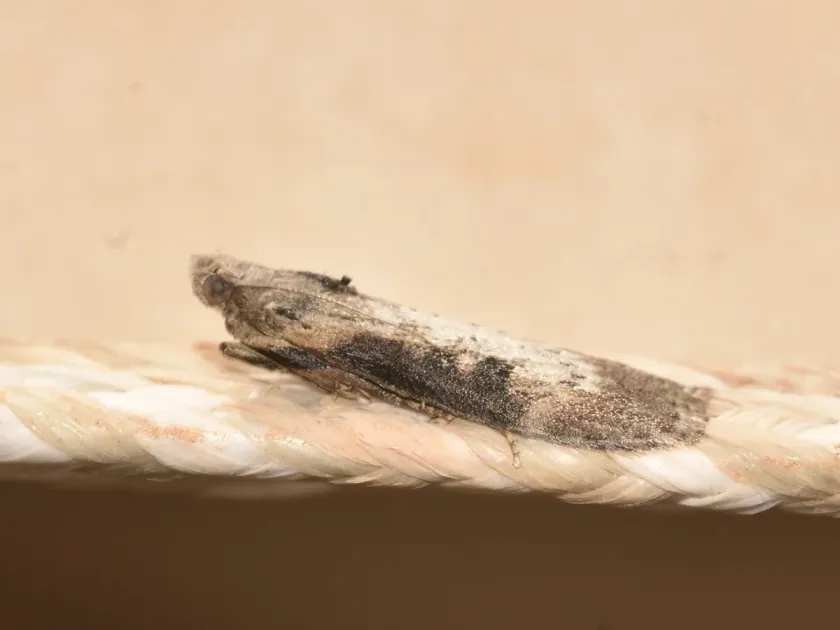
The Lamoria moth (scientific name Lamoria ruficostella) is a member of the Pyralidae family. It is a moth species characterized by its ability to blend into dried vegetation and stored organic materials.
Adult moths have a wingspan of approximately 25-30 mm. Their forewings typically exhibit reddish or brownish tones with a lighter costal margin, which is the defining feature of the ruficostella species.
The larvae possess strong chewing mouthparts that allow them to consume both dry cereal grains and moist vegetable tissues. They are typically light gray or yellowish in color with a sparse covering of fine hairs.
The lifecycle follows a complete metamorphosis: egg, larva, pupa, and adult. Females lay eggs directly onto the food source, ensuring that larvae have immediate access to nutrients upon hatching.
This species is well-adapted to environments with high humidity and is frequently found in grain storage facilities, where it can cause significant damage to stored commodities.
What it damages
This pest primarily impacts cereal grains and processed grain products. It is particularly dangerous in grain elevators and warehouses where it can affect both stored food and planting seeds.
Larvae often target the germ of the grain, rendering the seeds non-viable. This makes the Lamoria moth a major threat to seed banks and agricultural producers who rely on high germination rates.
In the field, the moth can infest stems and ears, especially in crops weakened by lodging or secondary pest damage. Larvae bore into plant tissues, disrupting the transport of nutrients and reducing overall crop yield.
Beyond direct consumption, the pest contaminates grain with excrement and silk webbing. This webbing promotes the growth of mold and bacteria, further degrading the quality and safety of the stored product.
Severe infestations can lead to total crop loss, as contaminated grain may contain high levels of mycotoxins, making it unsuitable for either animal feed or human consumption.
When it appears
Adult activity in natural habitats typically peaks during the summer months, specifically from June through August. The moths are nocturnal and remain hidden during daylight hours.
In climate-controlled storage facilities, the lifecycle can continue year-round, provided that temperatures remain above 15 degrees Celsius and humidity levels are adequate for larval growth.
The number of annual generations depends heavily on environmental conditions. In warmer climates or managed storage environments, multiple overlapping generations can occur, leading to rapid population spikes.
Larvae overwinter in sheltered locations, such as cracks in warehouse floors or within crop stubble, showing high resistance to cold temperatures.
As temperatures rise in the spring, larvae complete their development and pupate. Shortly thereafter, new adult moths emerge, ready to begin the reproductive cycle for the season.
Signs of infestation
The presence of silken webbing covering the grain mass is the most common early sign of infestation. Larvae use this webbing as a structural base to navigate through the grain.
Small granular excrement found within the grain pile indicates that larvae are actively feeding. Often, the grain appears clumped together due to the dense accumulation of silk and debris.
The appearance of adult moths near lighting fixtures or in shadowed warehouse areas at night is a strong indicator of an active infestation within the facility.
Grain that has been attacked will show visible bite marks, particularly around the germ area. Affected kernels often lose their natural luster and become fragile, crumbling easily when handled.
Checking for empty pupal casings in corners or crevices of storage bins provides definitive evidence that the pest has successfully completed its lifecycle in that specific location.
Control measures
The primary control measure is maintaining rigorous sanitation standards in storage facilities. Regular cleaning of dust and spillages removes potential breeding sites and overwintering areas.
Keeping stored grain moisture below 14% is crucial, as dry conditions significantly inhibit the development and survival of the larvae, effectively preventing mass outbreaks.
Chemical fumigation remains the most effective method for eradicating the moth in all its life stages within commercial storage facilities, especially when dealing with established infestations.
Integrated Pest Management (IPM) strategies, such as using pheromone traps, are highly recommended for early detection and monitoring, allowing for targeted intervention before populations explode.
Strict quality control protocols for incoming grain shipments and the use of hermetically sealed storage containers are essential to prevent the spread of the Lamoria moth between storage units.
Taxonomy
- Latin name
- Lamoria ruficostella
- Order
- Lepidoptera (butterflies)
- Family
- Pyralidae
- EPPO code
- LAMORU
Discussion
No discussions yet — be the first.