
Lamoria
Lamoria
Description
How to identify
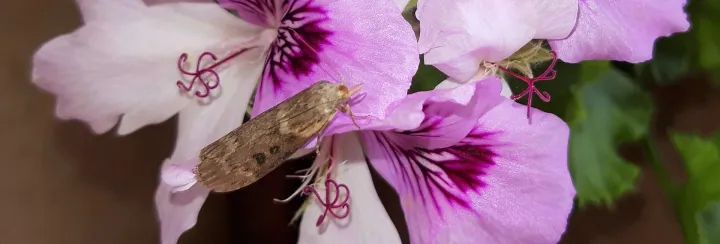
Lamoria is a genus of moths belonging to the family Pyralidae. These insects exhibit morphology typical of the Galleriinae subfamily. Adult moths possess elongated forewings with distinct patterns, typically colored in shades of grey or brown, providing effective camouflage against tree bark or dry vegetation.
The larvae of this genus are characterized by high mobility and a well-developed chewing mouthpart. The caterpillar body is generally cylindrical with distinct segments and sparse hair covering. Larval development occurs in protected environments, which makes early detection of infestations challenging.
Systematically, the genus is classified under the order Lepidoptera. Despite standard classification, species identification often requires microscopic examination of the genitalia, as the external morphological traits of different Lamoria species can be remarkably similar.
The insect's lifecycle is closely tied to organic residues or specific plant tissues. Like many other pyralids, Lamoria prefers microclimates with high humidity and shelter from direct sunlight, which dictates their localization within agricultural ecosystems.
In field conditions, these moths can be distinguished from other pyralids by the specific damage to plant tissues, which is frequently accompanied by the formation of silken tunnels created by the larvae in their feeding zones.
What it damages
The pest primarily affects weakened plants or tissues currently in a dormant state. Lamoria is found in agricultural storage facilities where larvae feed on dry organic matter, but they can also attack living plant tissues by burrowing into bark or stems.
Major damage is recorded in crops containing fibrous materials. The pest can thrive in high-density plantings where poor ventilation creates optimal environmental conditions for rapid population growth.
The damage caused by larvae consists of the destruction of vascular tissues, leading to impaired nutrient transport and the subsequent wilting of branches or entire shoots. During mass outbreaks, crop losses can be significant due to the reduced immunity of the plants.
Beyond direct tissue damage, the activity of larvae facilitates the entry of secondary pathogens, including fungal spores and bacterial rots, which thrive in the tunnels bored into the plant stems by the pest.
In warehouse environments, Lamoria can cause substantial damage to grain stocks and processed products, contaminating them with frass and webbing, rendering the produce unfit for use or market sale.
Signs of infestation
The primary visible indicator of infestation is the presence of silken tunnels on the surface of bark, stems, or inside fruits. The larvae weave white silk threads in their feeding areas, which are easily noticed upon inspection of the root collar or leaf axils.
The presence of dark, granular frass accumulating near holes bored into plant tissues is another classic diagnostic sign of this pest's presence in a planting.
Visual color changes in leaves on affected shoots, such as chlorosis or premature yellowing, often indicate damage to the vascular system, where the pest has severed the normal flow of nutrients to the vegetative organs.
During the period of adult activity at night, small moths may be observed attracted to light sources near fields or warehouses, which indirectly confirms the start of the flight period and the need for population monitoring.
- Deformation of stems and branches.
- Presence of holes in bark accompanied by "frass dust".
- Wilting of terminal shoots without obvious cause.
- Webbing in junctions where leaves meet stems.
Control measures
The foundation of Lamoria control lies in adherence to proper agronomic practices. It is critical to conduct timely sanitary pruning of infested branches and destroy plant residues, which serve as reservoirs for larval overwintering and pupation.
Biological control methods show high efficacy. The use of preparations based on Bacillus thuringiensis allows for selective targeting of early-instar larvae without disrupting the balance of beneficial entomophages in the field.
Chemical protection is justified only when the economic threshold of damage is exceeded. It is recommended to use systemic or contact-stomach insecticides, while strictly observing pre-harvest intervals as specified in the product labels.
Prevention in storage facilities is equally important: regular disinfestation of empty warehouses, monitoring of air humidity levels, and the use of pheromone traps for early detection of the onset of mass adult emergence.
Monitoring using light traps allows for precise timing of treatments, which minimizes the number of necessary applications and reduces the pesticide load on the environment while maintaining high efficacy in protection measures.
Taxonomy
- Latin name
- Lamoria
- Order
- Lepidoptera (butterflies)
- Family
- Pyralidae
- EPPO code
- LAMOSP
Discussion
No discussions yet — be the first.