
Greater wax moth
Galleria
Description
How to identify
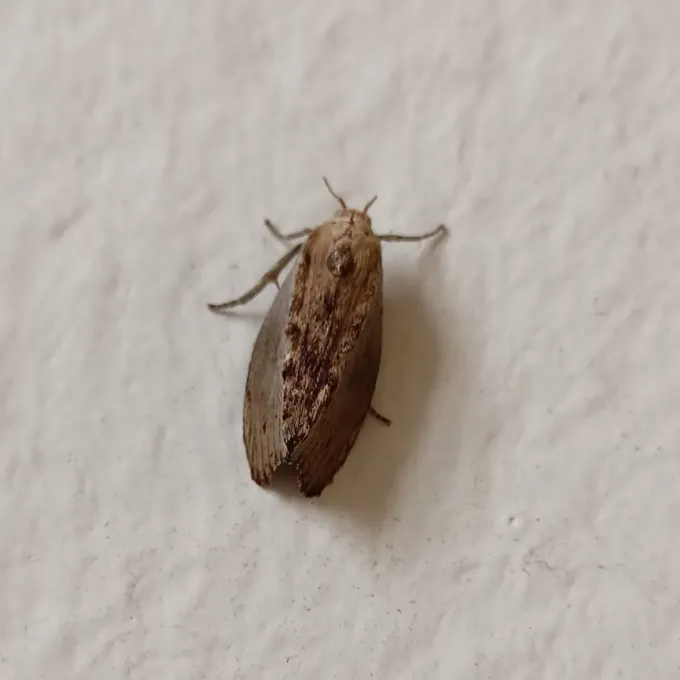
The greater wax moth (Galleria mellonella) is a moth of the Pyralidae family. It is a major pest in beekeeping, with adult females reaching a wingspan of up to 35 mm. They are generally greyish-brown, allowing them to blend in with wooden hive components.
The biological cycle begins when eggs are laid in clusters in the crevices of hives or on stored combs. Under optimal conditions, a single female can lay up to 2,000 eggs in her lifetime, facilitating rapid population growth.
Larvae are the most destructive stage of the life cycle. They are initially white, turning greyish as they mature, and possess robust mouthparts capable of consuming beeswax, pollen, and other hive debris.
Pupation occurs within tough, silken cocoons. These cocoons are frequently embedded into the wood of the hive or frames, making them difficult to remove and allowing the pest to overwinter safely.
The development time depends heavily on ambient temperature. In warm climates or well-insulated hives, the entire cycle from egg to adult can be completed in as little as six weeks, leading to multiple generations per season.
What it damages
The primary damage is caused by the larvae burrowing through the honeycomb. As they tunnel, they spin extensive silken webs that trap honey, pollen, and bee larvae, making the combs unusable.
Weak colonies are the most susceptible to attack. Once the infestation reaches a certain threshold, the bees become unable to protect the nest, leading to colony decline and eventual desertion of the hive.
Stored honeycombs are extremely vulnerable to wax moth infestation. If not properly protected, a stack of supers can be destroyed within a few weeks, resulting in significant economic loss for the beekeeper.
Beyond physical destruction, the moth acts as a vector for various bee pathogens, spreading diseases throughout the hive while tunneling through the wax structure.
- Destruction of expensive wax foundation.
- Loss of honey stores due to comb damage.
- Disruption of brood development.
- Increased maintenance costs for the apiary.
Signs of infestation
The presence of fine, sawdust-like debris on the bottom board of the hive is one of the earliest indicators of wax moth activity, representing the waste produced by feeding larvae.
Silken webbing visible between frames or across the face of the comb is a tell-tale sign of an active infestation. This webbing becomes more pronounced as the larvae grow and multiply.
Damage to the capped brood, where cells appear to be opened or "shaved" down by bees attempting to remove the intruder, is a common observation in infested hives.
In advanced cases, the comb loses its structural integrity. If you remove a frame, it may fall apart, leaving behind a tangled mess of cocoons, webbing, and dark excrement.
Adult moths may be spotted during hive inspections, often darting quickly across frames or retreating into corners. They are most active during the night and are rarely seen in broad daylight unless disturbed.
Control measures
Maintaining strong, populous colonies is the single most effective defense. A healthy hive will actively patrol the nest and remove any moth eggs or young larvae before they can become established.
Regular hive cleaning is essential. Keeping the bottom board free of debris and wax scraps removes the primary breeding grounds for the moth.
Storage management is crucial for protecting idle equipment. Frames should be stored in areas with good air circulation and low temperatures, as the moth cannot thrive in cool, well-ventilated conditions.
Biological control agents, such as Bacillus thuringiensis sprays, are highly effective when applied to clean frames before storage, providing long-term protection without harming the bees.
Chemical control, such as the use of acetic acid or sulfur fumigation, should only be used as a last resort in strictly controlled environments, ensuring all safety protocols are followed to avoid residues in the hive.
Taxonomy
- Latin name
- Galleria
- Order
- Lepidoptera (butterflies)
- Family
- Pyralidae
- EPPO code
- GALLSP
Discussion
No discussions yet — be the first.