
Fundella
Fundella
Description
How to identify
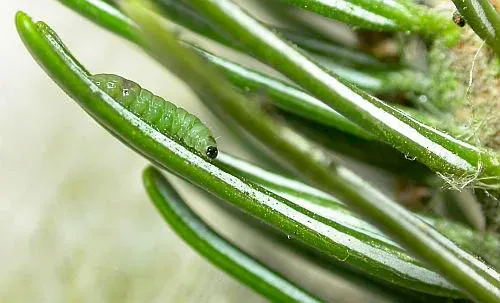
Fundella is a genus of moths belonging to the Pyralidae family. These insects are characterized by their small size and specific wing patterns that facilitate camouflage on various parts of host plants.
The life cycle of the moth consists of egg, larva (caterpillar), pupa, and adult stages. The caterpillars are the primary life stage responsible for agricultural damage.
Adult moths are typically nocturnal, often remaining hidden during the day, which makes their detection challenging for field scouts.
Pupation usually occurs within the soil or inside plant tissues, where the larvae spin silken cocoons to overwinter successfully.
Correct species identification often requires detailed analysis of morphological features, as members of this genus can resemble other pyralid moths.
What it damages
The primary hosts for Fundella species are members of the Fabaceae family, including beans, peas, and various wild legume varieties.
The larvae act as pod borers, feeding on flowers and developing seeds within the pods. This destruction directly reduces the harvest volume.
Feeding activities often lead to the degradation of seed quality, making the produce unsuitable for commercial sale or human consumption.
Infested pods are often prone to secondary infections by fungi and bacteria, which cause the seeds to rot and lose their nutritional value.
High infestation rates can cause significant economic losses, particularly in regions where legumes are a primary crop.
When it appears
The emergence of adults begins during the warmer months, closely following the onset of spring temperatures that favor larval development.
Peak activity generally occurs during the flowering and pod-filling stages of legume crops, which provide optimal feeding conditions for the larvae.
Multiple generations can occur within a single growing season, depending on local climate conditions and host availability.
Warm, dry weather typically shortens the duration of the life cycle, potentially leading to rapid population explosions in agricultural areas.
As temperatures drop, the final generation of the season enters diapause or pupates in the soil to survive the winter months.
Signs of infestation
Early symptoms of infestation often include the presence of silk webbing used by larvae to bind flowers or young pods together.
Tiny entry holes on the exterior of the pods are clear indicators that a larva has bored inside to feed on the developing seeds.
- Premature yellowing or shedding of buds and flowers.
- Visible frass (excrement) accumulation around entry points on the pods.
- Presence of hollowed or partially consumed seeds inside the harvested pods.
- Structural deformity and discoloration of pods due to internal feeding damage.
Regular field scouting during critical crop developmental stages is essential for detecting these signs before damage becomes widespread.
Control measures
Integrated Pest Management (IPM) strategies, including crop rotation, are crucial to reducing the build-up of Fundella populations in the soil.
Tillage practices, especially deep autumn plowing, help expose and destroy pupae residing in the soil, effectively lowering the pest pressure for the next season.
Biological control agents, such as parasitoid wasps, can be encouraged in the field to naturally suppress the moth population.
When necessary, insecticides should be applied during the larval stage, before the insects bore into the pods, where they are protected from sprays.
Using pheromone traps provides valuable data for monitoring moth flights, allowing farmers to apply treatments at the most effective times.
Taxonomy
- Latin name
- Fundella
- Order
- Lepidoptera (butterflies)
- Family
- Pyralidae
- EPPO code
- FUNDSP
Discussion
No discussions yet — be the first.