
Euzopherodes vapidella
Euzopherodes vapidella
Description
How to identify
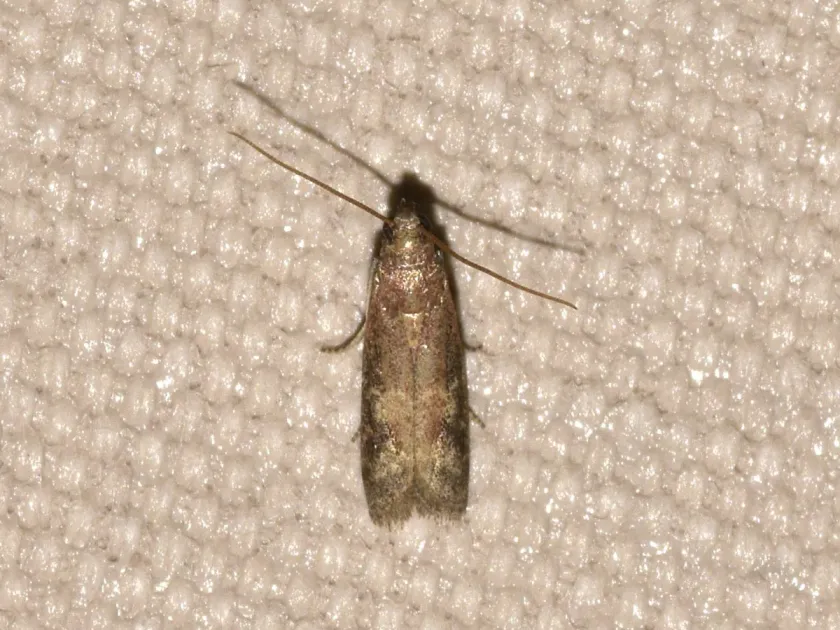
Euzopherodes vapidella is a moth species belonging to the Pyralidae family. These insects are characterized by their small size and cryptic coloration, which helps them blend into their surroundings, such as tree bark or dry leaves, during daylight hours.
Adult moths possess narrow forewings with obscure patterns that are typical for the Phycitinae subfamily. Because of their nocturnal habits and camouflaged appearance, they are rarely observed in the field without the use of specialized trapping methods like pheromone or light traps.
The larvae, or caterpillars, are the destructive stage of this pest. They have a mandibulate mouthpart structure, enabling them to bore into plant tissues. Their development proceeds through several instars, during which they increase in size and nutritional requirements.
The life cycle follows a complete metamorphosis: egg, larva, pupa, and adult. Each stage is highly dependent on environmental conditions, particularly temperature and humidity, which dictate the duration of development and the number of generations per year.
Overwintering typically occurs in the pupal or late-larval stage within protective silken cocoons. These are often tucked into crevices of bark or plant debris, providing an essential buffer against extreme winter temperatures.
What it damages
Euzopherodes vapidella larvae primarily feed on a range of woody plants and shrubs. They are frequently associated with species in the Rosaceae family, making them potential pests in orchards and nurseries containing stone fruits and pome fruits.
The damage is caused by larvae boring into buds, young shoots, and developing fruit. By feeding on the internal tissues, they disrupt the vascular transport of water and nutrients, which often leads to the death of the distal parts of the plant.
The infestation can cause terminal shoots to wither and turn brown, a condition often described as flagging. In addition, the destruction of fruit buds results in significant yield reduction, as damaged buds fail to flower or produce healthy fruit.
In nurseries, this pest is particularly damaging because it affects the growth structure of young trees. Damage to apical buds can cause permanent deformities, reducing the quality and commercial value of the planting material.
Economic impact varies depending on the local population density. While outbreaks may not be annual, the presence of localized infestations can lead to significant cumulative damage to plant growth and vigor over several seasons if left unchecked.
When it appears
The flight period of adult moths generally occurs in late spring or early summer. This timing is synchronized with the plant growth phases, ensuring that eggs are laid in locations optimal for the immediate development of the larvae.
Upon hatching, larvae actively seek entry points into buds or shoots. The period of flowering and early fruit set is critical, as the tender tissues are highly attractive and susceptible to invasion by the first-instar larvae.
Depending on the climate and regional temperature patterns, the species may produce multiple generations within a single season. This continuous development requires sustained vigilance from growers to prevent overlapping generations from causing widespread damage.
As the season progresses, mature larvae prepare for pupation. This transition is essential for the species' survival, as the resulting pupae enter a diapause state to survive until the following spring, ensuring the continuation of the life cycle.
Monitoring using traps helps identify the onset of the moth flight period. This data is vital for timing control measures, such as applying insecticides when larvae are most vulnerable, thereby maximizing the efficacy of the interventions.
Signs of infestation
The most reliable sign of an Euzopherodes vapidella infestation is the presence of frass (larval excrement) near the entrance holes of buds or shoots. Fine silk threads may also be visible, spun by the larvae during their feeding activity.
Visual inspection often reveals drooping or withered tips of branches, known as flagging. These affected parts usually exhibit stunted growth and an unhealthy, brown coloration, making them easily distinguishable from healthy tissue.
Dissecting the damaged plant material often reveals the tunnel made by the larva and the presence of the larva itself. In the early spring, non-opening buds are a clear indicator of successful wintering and early-season activity by the pest.
Scars or abnormal calluses on the stems and branches may indicate where larvae have previously fed or exited the plant. These markings are long-lasting and can serve as evidence of historical pest presence in the orchard.
Increased activity of birds or predatory insects around specific trees can sometimes signal a heavy infestation. Such biological clues are useful for early detection by observant growers before the damage becomes widespread.
Control measures
Integrated Pest Management (IPM) for Euzopherodes vapidella starts with sound horticultural practices. Pruning and destroying infested shoots early in the season is a highly effective way to remove larvae and reduce the population density.
Sanitation practices, such as removing fallen leaves and plant debris from under trees, minimize available overwintering sites. This disrupts the life cycle and reduces the likelihood of a major infestation in the following year.
Biological controls, including the use of Bacillus thuringiensis-based products, provide an environmentally friendly alternative to chemical pesticides. These should be applied when larvae are in their early instars for maximum impact.
Chemical control, if necessary, should be applied during periods of peak larval emergence. It is crucial to rotate insecticide modes of action to prevent the development of resistance within the pest population and to preserve beneficial insects.
Consistent monitoring with pheromone traps is the cornerstone of effective control. By mapping population trends, growers can apply targeted treatments, reducing chemical usage while maintaining the health and productivity of the orchard.
Taxonomy
- Latin name
- Euzopherodes vapidella
- Order
- Lepidoptera (butterflies)
- Family
- Pyralidae
- EPPO code
- EPHEVA
Discussion
No discussions yet — be the first.