
Euzophera
Euzophera
Description
How to identify
Euzophera is a genus of moths belonging to the Pyralidae family. These insects are common pests in many regions, affecting a variety of woody plants and fruit trees.
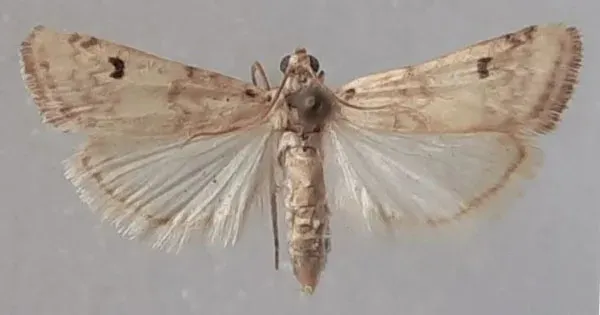
The adult moths have a wingspan of about 20–25 mm. Their forewings are typically grayish-brown with dark, zigzag transverse lines, providing excellent camouflage against tree bark.
The larvae, or caterpillars, are cylindrical in shape and grow up to 20 mm in length. They range in color from dirty white to reddish-brown, often featuring a dark, sclerotized head.
When ready to pupate, the larvae construct dense, silken cocoons inside the galleries they have created within the tree tissues or within deep bark crevices.
The lifecycle includes the egg, larval, pupal, and adult stages. Depending on the species and climate, there may be one or two generations produced annually.
What it damages
Euzophera primarily targets fruit and nut-bearing trees. Commonly affected species include apple, pear, peach, and various nut trees such as walnut.
The damage is caused by larvae that bore into the bark, cambium, and phloem layers of the trunk and main scaffold branches, disrupting nutrient flow.
Severe infestations near the root collar are particularly dangerous, as they can cause significant vascular damage, leading to the rapid decline or death of the tree.
The entry points created by the larvae often facilitate secondary infections by fungi and bacteria, which can lead to larger areas of necrotic tissue.
Infested trees often show reduced vigor, poor fruit quality, and, in severe cases, the dying back of entire branches or the death of the tree itself.
When it appears
Adult moth emergence typically begins in late spring, often correlating with the flowering period of many fruit tree species in the orchard.
The larvae of the first generation begin feeding actively under the bark throughout the summer months, causing the most noticeable damage during this period.
A second flight of moths usually occurs in late summer. This generation lays eggs that give rise to larvae, which then prepare for overwintering.
Larvae overwinter in various developmental stages, hiding deep within the galleries, under bark scales, or in other protected areas on the tree trunk.
As soon as temperatures rise and sap flow begins in early spring, the overwintered larvae resume feeding, marking the start of the new annual cycle.
Signs of infestation
A key sign of Euzophera presence is the accumulation of frass (larval waste), often described as "sawdust," at the base of the trunk or in bark crevices.
Gumming (gummosis) is a common symptom in stone fruit trees, where the tree produces sap as a defensive response to larval boring activity.
The bark overlying the larval galleries often becomes uneven, bulges, or takes on a reddish-brown discoloration as the tissue beneath dies.
Upon removing the loose outer bark, one can see winding galleries filled with frass and silk, which indicate the internal presence of the pest.
In advanced cases, the bark may peel away in large strips, and the wood underneath may appear hollowed out or soft to the touch.
Control measures
Cultural control involves the regular removal of dead or loose bark from the trunk, which eliminates potential hideouts for overwintering larvae and cocoons.
Pruning out and disposing of infested branches during the dormant season is essential to reduce the population density of the pest within the orchard.
Chemical control should be timed to coincide with the peak of adult moth flight or the egg-hatching period, using approved systemic or contact insecticides.
Pheromone traps are effective tools for monitoring moth activity and can be used to disrupt mating cycles when deployed in sufficient numbers.
Maintaining tree health through proper fertilization and irrigation helps trees resist minor infestations and recover more effectively from pest-related stress.
Taxonomy
- Latin name
- Euzophera
- Order
- Lepidoptera (butterflies)
- Family
- Pyralidae
- EPPO code
- EUZOSP
Discussion
No discussions yet — be the first.