
Eurhodope
Eurhodope
Description
How to identify
Eurhodope is a genus of moths belonging to the family Pyralidae, commonly known as snout moths. These insects are specialized feeders that have evolved to exploit specific plant species.
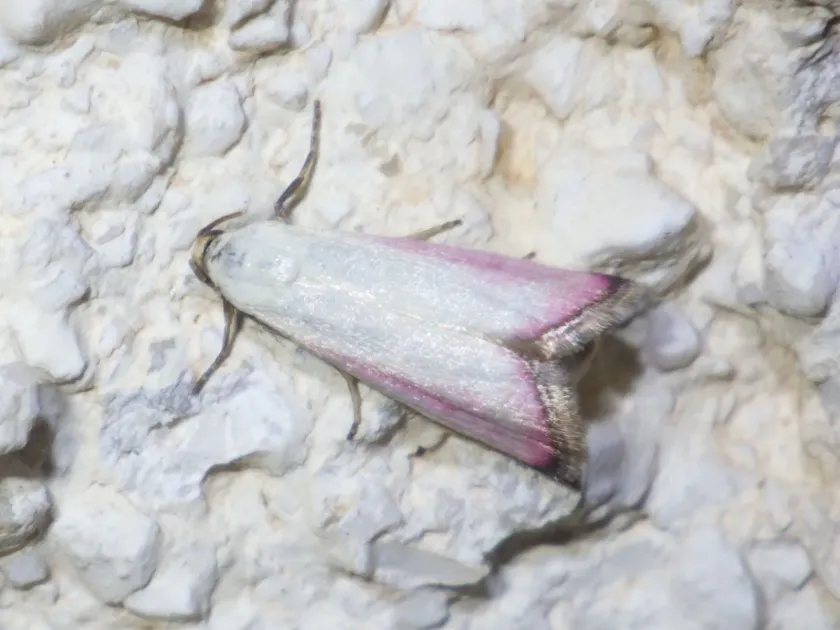
Adult moths are typically cryptic in appearance, displaying grey or brownish coloration which provides excellent camouflage against tree bark or dry vegetation.
The larval stage is the primary cause of damage. Caterpillars possess strong chewing mandibles, enabling them to consume both foliage and reproductive structures of the host plant.
Taxonomically, they are part of the order Lepidoptera. Their life cycle consists of complete metamorphosis: egg, larva, pupa, and adult moth.
Distinguishing specific species within the genus often requires an analysis of adult genitalia, as external morphological features are frequently similar between related species.
What it damages
Eurhodope larvae primarily target plants in the Rosaceae family, making them significant pests in orchards and nurseries, particularly affecting apples and pears.
The caterpillars feed on buds, young leaves, and developing fruit, which directly reduces the yield and economic value of the host plants.
Heavy infestations can lead to leaf skeletonization, which impairs the plant's photosynthetic capacity and weakens its vigor before the dormant season.
Damage to fruit buds results in the loss of future harvests before the blossoms even open, significantly impacting orchard productivity.
Wounds created by feeding larvae serve as entry points for pathogens, potentially leading to secondary fungal or bacterial infections in woody tissues.
When it appears
Overwintering typically occurs in the larval stage, protected within silken cocoons spun in bark crevices or among leaf litter at the base of the host tree.
Emergence in spring is synchronized with the phenology of host plants, specifically coinciding with bud break and the beginning of the vegetative season.
The flight period of adult moths usually occurs from late spring through early summer, during which females lay eggs on suitable host plants.
Depending on the latitude and climate, this pest may produce one or several generations per year, complicating long-term management strategies.
Adults are primarily nocturnal, which necessitates the use of light traps or pheromone monitoring to accurately track their activity levels in the field.
Signs of infestation
The appearance of silken webs or nests on branch tips is a classic indicator of larval activity, providing shelter for early-stage caterpillars.
Ragged holes or skeletonized leaves are tell-tale signs of older larvae feeding on the leaf lamina, often leaving only the veins intact.
Stunted shoot growth and the sudden wilting of flower clusters often point to larvae feeding inside the buds or boring into succulent shoots.
Accumulations of frass (larval excrement) near buds or damaged foliage are reliable signs that larvae are currently present and feeding in the immediate area.
Premature fruit drop, often accompanied by small entry holes, indicates that larvae have targeted the fruit or its peduncle.
Control measures
Cultural control measures, such as pruning and destroying infested twigs and nests, are essential for keeping population levels in check.
Sticky bands or mechanical traps placed on tree trunks can successfully capture larvae as they move, reducing their numbers during the growing season.
Biological control using microbial insecticides based on *Bacillus thuringiensis* is highly effective against young larvae while preserving beneficial insects.
Chemical intervention should be reserved for periods of high pressure, ideally timed before bloom to minimize impact on pollinators.
Adopting an Integrated Pest Management (IPM) approach, including the rotation of active ingredients, is vital to prevent the development of insecticide resistance.
Taxonomy
- Latin name
- Eurhodope
- Order
- Lepidoptera (butterflies)
- Family
- Pyralidae
- EPPO code
- EURPSP
Discussion
No discussions yet — be the first.