
Fig moth
Davara caricae
Description
How to identify
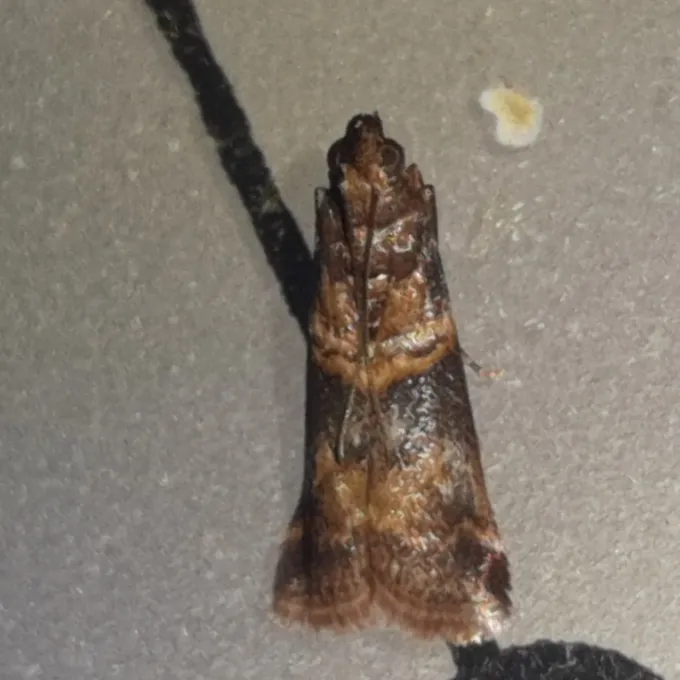
The fig moth (Davara caricae) is a member of the Pyralidae family within the order Lepidoptera. This pest is a nocturnal moth that is often difficult to detect due to its cryptic coloration which blends in with the bark of trees.
The life cycle of this species follows a complete metamorphosis including the egg, larva (caterpillar), pupa, and adult stages. The larval stage is responsible for the physical damage to the plant.
Caterpillars change their appearance as they develop, typically transitioning from a pale yellowish color to a darker, brownish hue. They are characterized by their segmented bodies and sparse, fine hairs.
The insect typically overwinters in the pupal stage, encased in dense silk cocoons hidden within bark crevices, under dry leaves, or in the upper layer of the soil.
In optimal climatic conditions, the fig moth can produce multiple generations per season, leading to significant population increases if left unmanaged.
What it damages
The primary host for this pest is the common fig tree. The larvae consume both the succulent developing fruits and, occasionally, the tender green shoots of the plant.
By boring into the fruit, the larvae leave behind feeding tunnels that become contaminated with excrement, effectively ruining the commercial and nutritional value of the harvest.
Once the interior of the fig is compromised, it becomes highly susceptible to various secondary infections, including molds and bacterial rot, which rapidly destroy the crop.
High infestation levels can result in the loss of a significant portion of the total yield, particularly when the larvae congregate on developing fruit clusters.
Younger larvae often feed in small groups, while older larvae tend to be more solitary, frequently moving from one fruit to another throughout their development period.
Signs of infestation
The most prominent sign of a fig moth infestation is the premature yellowing or dropping of fruits that appear otherwise healthy but contain hidden larval feeding damage.
Tiny entry holes on the surface of the figs, often accompanied by dark frass (insect excrement), are clear indicators that larvae have successfully penetrated the fruit.
If you split open an infested fig, you will find the interior mushy, discolored, and clearly eaten by the caterpillar, often with the pest itself visible inside the cavity.
The presence of fine webbing on the branches and leaves is another indicator of activity, especially when larvae are in their early developmental stages.
A distinct, sharp, or sour smell emanating from a tree is often a sign of fermenting, moth-damaged fruit that has begun to rot on the branch.
Control measures
Cultural control practices are essential for managing the fig moth. This includes the regular removal and proper destruction of all infested fruits to prevent the larvae from completing their life cycle.
Scraping away loose, old bark from the trunks during the winter months can expose and eliminate overwintering pupae, significantly reducing the pest pressure for the following season.
- Utilizing biological insecticides, such as products containing Bacillus thuringiensis, which target larval stages safely.
- Deploying pheromone traps to monitor the emergence of adults and determine the precise timing for intervention.
- Applying chemical insecticides during the egg-hatching phase, ensuring adherence to safety pre-harvest intervals.
Effective management requires thorough coverage during spray applications, focusing on fruit clusters where the larvae spend the majority of their feeding cycle.
Integrating various methods, including habitat manipulation and timely pesticide application, creates a robust defense strategy that prevents the establishment of a large moth population.
Taxonomy
- Latin name
- Davara caricae
- Order
- Lepidoptera (butterflies)
- Family
- Pyralidae
- EPPO code
- DAVACA
Discussion
No discussions yet — be the first.