
Cactus moth
Cactobrosis
Description
How to identify
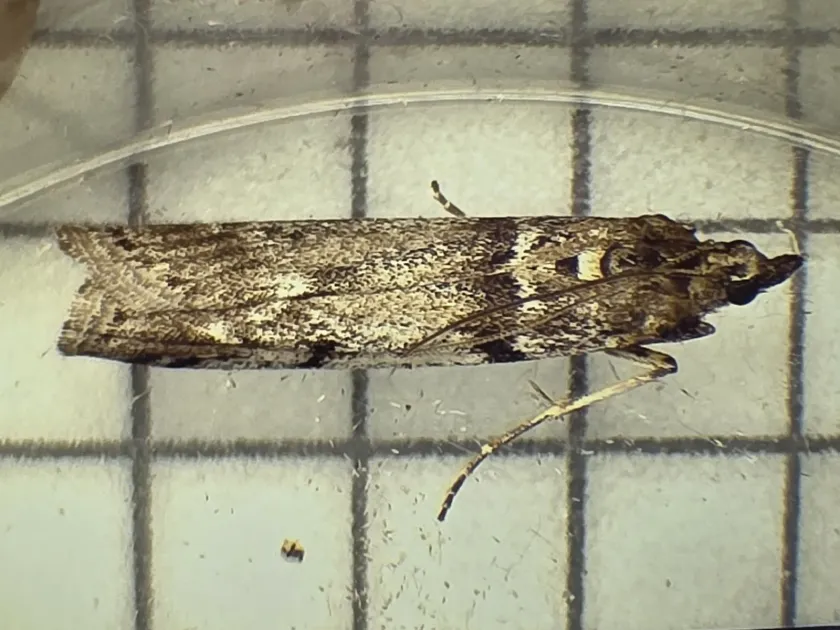
The cactus moth (genus Cactobrosis) is a member of the Pyralidae family. These moths are generally nocturnal and possess cryptic coloration, allowing them to remain virtually invisible when resting on cactus stems.
The larvae are the most damaging stage of the lifecycle. They have robust bodies and specialized mouthparts designed to navigate and consume the dense, fleshy tissues of various Cactaceae species.
Taxonomically, they belong to the subfamily Phycitinae. Their evolution is tightly linked to their host plants, allowing them to overcome the natural chemical defenses of various desert succulents.
The lifecycle includes a complete metamorphosis. Female moths typically deposit eggs in small clusters on the plant surface, ensuring that larvae can immediately start boring into the tissue upon hatching.
These moths are highly specialized pests. Their ability to survive in harsh environmental conditions makes them a persistent threat to both wild populations and cultivated ornamental cacti.
What it damages
Cactus moths primarily affect various species within the Cactaceae family, showing a strong preference for thick-stemmed varieties. The larvae feed internally, leaving the external epidermis initially intact.
As larvae tunnel through the plant, they destroy the vascular system, effectively preventing the transport of water and nutrients throughout the stem. This leads to the wilting and eventual collapse of the plant.
Internal tunnels created by the larvae serve as ideal entry points for secondary pathogens, such as bacteria and fungi, which accelerate the rotting process and cause severe tissue death.
The economic impact can be severe in the horticultural industry, as infested plants lose their aesthetic value and marketability long before they completely perish.
Massive infestations can result in the loss of entire collections or agricultural crops if the infestation is not detected and treated in its early stages.
Signs of infestation
The most reliable sign of an active infestation is the presence of frass (larval excrement) on the surface of the cactus. It often resembles dark, grainy sawdust accumulating at the base of the plant.
Small holes or entry marks on the epidermis are common indicators. These holes may leak plant sap, creating a sticky residue on the skin of the succulent.
Affected plants often show patches of discolored or sunken tissue. If the infestation is deep inside, the cactus may lose its structural integrity and feel soft or hollow when squeezed.
In advanced cases, the plant may begin to lean or lean significantly to one side as the internal supporting tissue is consumed by the larvae.
Sometimes, the smell of decaying organic matter around the plant indicates that internal rot, facilitated by the larvae, has already progressed significantly.
Control measures
Regular monitoring is essential for early detection. Inspecting plants for frass and minor punctures on a weekly basis can prevent a full-scale infestation.
Systemic insecticides are the most effective chemical control method. Because the larvae remain protected inside the stem, topical sprays are usually insufficient; the plant must absorb the toxin through its vascular system.
Quarantine procedures should be strictly followed. Any plant showing signs of infestation must be moved away from the main collection to avoid the spread of moths.
Mechanical control involves careful removal of larvae if the damage is localized. After cleaning the tunnel, the area should be treated with a systemic fungicide to prevent rot.
The use of pheromone traps can help monitor moth activity in greenhouses, allowing for the precise timing of protective treatments before the next generation of larvae begins feeding.
Taxonomy
- Latin name
- Cactobrosis
- Order
- Lepidoptera (butterflies)
- Family
- Pyralidae
- EPPO code
- CACBSP
Discussion
No discussions yet — be the first.