
Anerastia
Anerastia
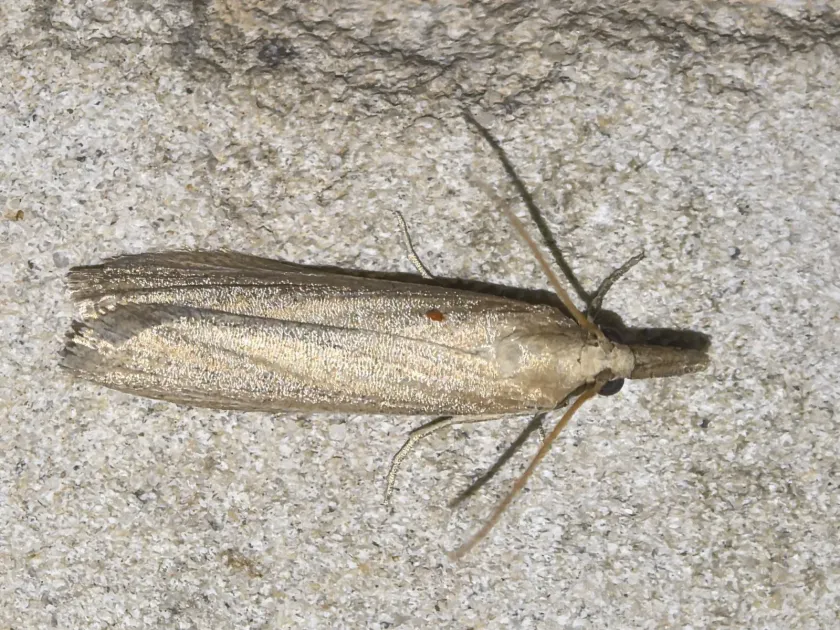
Description
How to identify
Anerastia is a genus of moths belonging to the Pyralidae family. These insects are characterized by a streamlined body shape and narrow forewings, which are typically colored in shades of beige, gray, or brown to provide camouflage against dry vegetation and crop stalks.
The life cycle of Anerastia consists of four stages: egg, larva, pupa, and adult. The larval stage is the most damaging, as the caterpillars are specialized for feeding on the internal tissues of plants, often boring into reproductive structures like flower heads and grain clusters.
Adult moths are primarily nocturnal. They are attracted to lights and open fields, where they lay eggs on or near the host plants. The timing of their emergence is highly dependent on regional climate conditions and the phenology of host cereals.
Larvae are relatively small and inconspicuous, often hiding inside the plant organs they consume. This behavior makes early detection challenging for farmers, as the external appearance of the plant may remain normal until significant internal damage has already occurred.
Understanding the biological development of Anerastia is essential for effective monitoring. In many regions, the species completes one or more generations per year, with the overwintering stage usually occurring within a silken cocoon in the soil or crop debris.
What it damages
Anerastia primarily infests various grass and cereal crops. Economic damage is most frequently reported in fields of wheat, rye, and occasionally other small grains, where the larvae feed on developing kernels within the ear.
By consuming the contents of the developing grain, the larvae cause a direct reduction in yields. Furthermore, the feeding tunnels created by the larvae disrupt the plant's vascular transport, weakening the ear and potentially leading to premature desiccation.
The damage caused by larvae often facilitates secondary infections by pathogens. Fungi and bacteria can easily colonize the wounded tissue, leading to grain rot and contamination, which further diminishes the overall market value of the harvest.
The extent of damage is often determined by the synchronization between the moth's reproductive cycle and the vulnerable growth stages of the crop. Early-maturing varieties might escape peak infestation, while late-planted crops often suffer more significant losses.
While usually considered a minor pest in some regions, population surges of Anerastia can lead to substantial losses in specific years, particularly when warm, dry springs favor early larval development and survival.
Control measures
The most sustainable approach to controlling Anerastia involves sound cultural practices. Crop rotation remains the cornerstone, as shifting away from susceptible host plants disrupts the population buildup in the soil.
Field sanitation is critical for managing this pest. Removing crop residues after harvest and deep plowing the soil helps destroy overwintering larvae and pupae by exposing them to predators or harsh environmental conditions.
Weed management, particularly focusing on wild grasses adjacent to the fields, prevents the pest from building a reservoir population. Controlling these weeds during the pre-seeding phase reduces the risk of migration to the main crop.
Chemical control should be implemented based on economic thresholds and careful scouting. Since larvae bore into the plant, systemic or fast-acting contact insecticides must be applied precisely when the first-instar larvae hatch, before they penetrate the grain head.
- Utilize pheromone traps to monitor adult flight and determine the optimal timing for intervention.
- Encourage natural enemies, such as parasitic wasps, which can help suppress larvae populations.
- Maintain soil fertility to promote vigorous plant growth, allowing crops to withstand minor larval feeding without severe yield loss.
Taxonomy
- Latin name
- Anerastia
- Order
- Lepidoptera (butterflies)
- Family
- Pyralidae
- EPPO code
- ANEASP
Discussion
No discussions yet — be the first.