
Zorotypus gurneyi
Zorotypus gurneyi
Description
How to identify
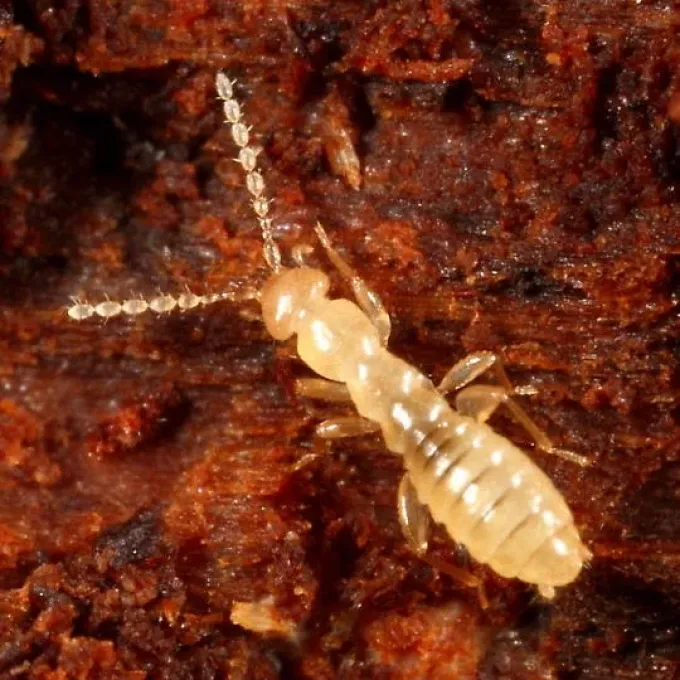
Zorotypus gurneyi is a member of the order Zoraptera, a small and rare group of insects belonging to the family Zorotypidae.
These insects are minute, typically measuring between 2 and 3 millimeters in length, with soft, pale yellow to brown bodies.
The order is characterized by having both wingless morphs, which reside in dark and moist places, and winged forms for dispersal.
They possess chewing mouthparts that are primarily adapted for consuming decaying organic matter, fungi, and occasionally soft plant tissues.
Due to their secretive nature, they are often overlooked until their population reaches a density that becomes noticeable to growers.
What it damages
While Zorotypus gurneyi is primarily a decomposer of organic material, it can become a significant pest in intensive cultivation environments.
In greenhouses, they target young seedlings, feeding on root tissues and the base of stems, causing mechanical damage to the plant.
This feeding activity often results in stunted growth, yellowing of leaves, and an overall lack of vigor in young nursery plants.
The wounds left by their chewing facilitate the entry of soil-borne pathogens, leading to secondary infections such as root rot or damping-off.
High infestations are particularly dangerous in systems where humidity is consistently high, creating ideal conditions for both the pests and the diseases they enable.
When it appears
Their life cycle is highly dependent on environmental stability, thriving in conditions characterized by high humidity and moderate temperatures.
In temperate climates, Zorotypus gurneyi is mostly confined to protected cultivation settings like greenhouses where year-round development is possible.
They breed continuously under optimal conditions, with multiple generations overlapping throughout the year.
Winged individuals may emerge during periods of environmental stress or resource depletion, spreading the infestation across growing benches.
Monitoring should be persistent throughout the production cycle, especially when the growth substrate remains damp for extended periods.
Signs of infestation
The primary symptom of an infestation is the unexplained decline of seedlings, characterized by wilt despite adequate water availability.
Closer examination of the root ball often reveals the presence of small, quick-moving insects that flee from light when exposed.
Visible feeding traces on the roots, including small pits or uneven patches, are definitive indicators of insect-related damage.
The presence of mold growth surrounding the base of the plant often coincides with the damage caused by these insects.
Growers can detect their presence by placing small pieces of damp corrugated cardboard or wood on the substrate surface, which acts as a temporary shelter.
Control measures
Effective control requires strict management of irrigation to prevent excessive soil moisture, which directly discourages their population growth.
Sanitation is critical; all contaminated growing media and plant debris must be removed and destroyed to break the life cycle.
When necessary, chemical control using systemic or contact insecticides registered for greenhouse use can be implemented.
Integrated pest management strategies often incorporate biological control agents such as predatory mites or entomopathogenic nematodes.
Maintaining a clean growing environment and monitoring for early symptoms are the most reliable ways to keep Zorotypus gurneyi populations in check.
Taxonomy
- Latin name
- Zorotypus gurneyi
- Family
- Zorotypidae
- EPPO code
- ZOROGU
Discussion
No discussions yet — be the first.