
Zophodia
Zophodia
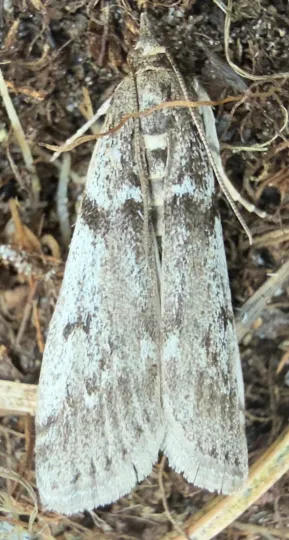
Description
How to identify
Zophodia is a genus of snout moths belonging to the Pyralidae family. These insects are specialized pests that primarily target various species of the cactus family (Cactaceae), posing a significant threat to botanical collections and commercial plantations.
Adult moths are typically nocturnal and have cryptic coloration that allows them to blend seamlessly with the environment. Their wingspan is relatively small, consistent with other pyralid moths, and they are most active during warm, humid nights.
The larval stage is the most critical phase for identification. The caterpillars are often light-colored with distinct dark spots or markings along the body, making them identifiable upon close inspection of damaged plant tissues.
Taxonomically, the genus is classified under the order Lepidoptera. Their life cycle is tightly synchronized with the growth phases of their host plants, which makes them highly successful in exploiting succulent environments.
Professional growers often utilize pheromone monitoring to detect the presence of adult moths, as early detection is vital for preventing widespread damage within a confined area like a greenhouse.
What it damages
Caterpillars of Zophodia cause direct damage by boring into the stems of cacti. By feeding on the internal succulent tissues, they disrupt the vascular system and nutrient transport, which quickly weakens the plant.
Damage to the apical meristem or growing tip of the cactus is particularly devastating, as it can permanently halt the plant's growth and ruin its aesthetic structure, which is a major concern for hobbyists and collectors.
In addition to stems, larvae frequently target reproductive organs. By consuming developing buds and flowers, they prevent the cactus from blooming and producing seeds, thereby impacting the plant's genetic propagation.
The entry points created by the larvae serve as vectors for secondary bacterial and fungal infections. These pathogens often cause the cactus to rot from the inside out, leading to rapid tissue collapse.
Young and small-sized cacti are especially vulnerable to total destruction, as the larvae can consume a significant portion of their internal volume in a very short period.
When it appears
The activity of Zophodia is heavily dependent on temperature and climate conditions. In temperate regions, their life cycle coincides with the active growing season of their host cacti.
Under favorable conditions, especially in protected greenhouse environments, these moths can complete multiple generations in a single year, creating a persistent pressure on the plants throughout the season.
The insects overwinter as pupae, typically encased in a tough, silken cocoon. These cocoons are often hidden in the soil, organic debris, or within crevices in the infrastructure of the growing facility.
As spring temperatures rise, the adult moths emerge to mate and deposit eggs on or near the host cacti. This emergence is often synchronized with the early floral development of the host species.
Maintaining a strictly controlled environment, particularly by cooling greenhouses during the winter dormancy period for cacti, helps interrupt the life cycle and reduces the survival rate of the pupae.
Signs of infestation
The most reliable sign of a Zophodia infestation is the presence of frass (larval excrement) appearing as fine, sawdust-like particles near the base of the plant or around segments of the stem.
Visual symptoms on the plant epidermis include sunken, soft spots that indicate a hollowed-out interior. Often, the skin of the cactus may appear stretched or discolored near the entry points.
- Presence of webbing near the entry holes or between plant segments.
- Sudden wilting or premature drying of flower buds.
- Soft, mushy areas on the stem that feel hollow when pressed gently.
- Small, circular entrance holes in the epidermis.
- Stunted growth or sudden collapse of an apparently healthy plant.
If suspicious signs are found, a careful inspection of the lower part of the plant or the soil surface can often reveal the larvae before they progress to pupation.
Control measures
Effective management of Zophodia relies on a combination of cultural, mechanical, and chemical control measures. Regular scouting of plants is the first line of defense for any collection.
Mechanical removal of larvae and infested tissue is highly recommended for small-scale infestations. Once removed, the wound should be sanitized and allowed to callous to prevent further infection.
Systemic insecticides are generally the most effective chemical intervention. By treating the plant, the pesticide is absorbed into the sap, which reaches the internal-feeding larvae and effectively eliminates them.
Biological control methods, including the use of entomopathogenic nematodes or specific bacterial strains like Bacillus thuringiensis, provide a safer alternative for domestic cactus growers.
Strict quarantine protocols should be enforced when introducing new plants into an established collection to ensure that no eggs or larvae are inadvertently imported alongside the new specimens.
Taxonomy
- Latin name
- Zophodia
- Order
- Lepidoptera (butterflies)
- Family
- Pyralidae
- EPPO code
- ZOPHSP
Discussion
No discussions yet — be the first.